
De captivants à banals, les articles et photographies de “The Baguette” sont une tentative de publier un journal de ma vie dans la Manche et de proposer un forum de discussion pour tout ce qui touche à la Normandie.
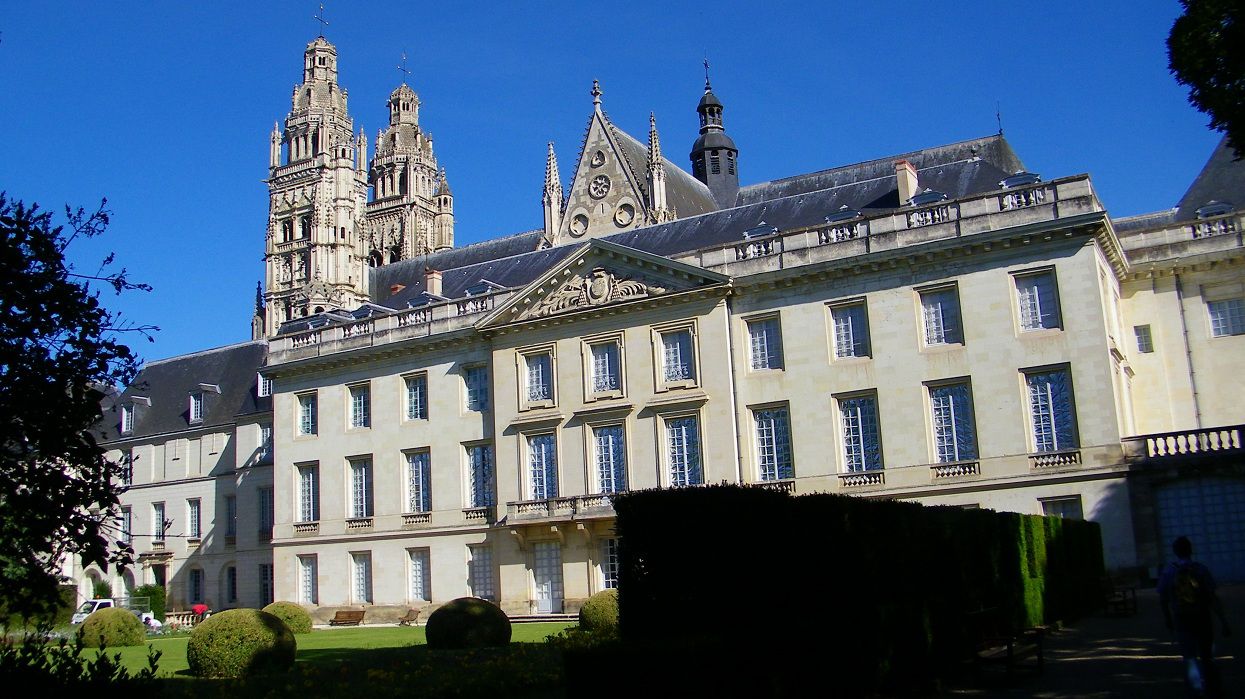 The Musée des Beaux-Arts is housed in the former bishop's palace built in the 17th and 18th centuries near the Cathédrale St-Gatien.
  A magnificent Lebanon cedar planted by Napoleon in 1804 adorns the courtyard of the museum. Work on the cathedral started in the mid-13th century and was completed in the 16th century. Certainly took long enough. With over three centuries of building, St-Gatien’s demonstrates various styles from French Gothic, Flamboyant and Renaissance.
  The first traces of the Renaissance are visible in the tops of the towers. Despite the mixture of styles the soaring west front is quite harmonious. The foundations of the towers are Gallo-Roman but the rich Flamboyant decoration was added in the 15th century. The buttresses, which rise to the base of the belfries, were decorated at the same time period with niches and hook-shaped pinnacles known as crockets.
  An elegant lantern dome in the early Renaissance style surmounts the upper section of the 15th century north tower.

 The chancel of the cathedral is one of the most beautiful works of the 13th century and is reminiscent of the Sainte-Chapelle in Paris with its stained-glass windows dating from the same century.
  The rose windows in the transept are 14th century; the south window is slightly diamond shaped and the north one is divided by a supporting rib—below this is the organ, which was built by Barnabé Delanoue in the 16th century and donated by Archbishop Martin de Beaune.
  Among the many remarkable windows the visitor can admire are those depicting events in the life of St-Martin including this one where he is exorcising a demon from a man’s mouth.
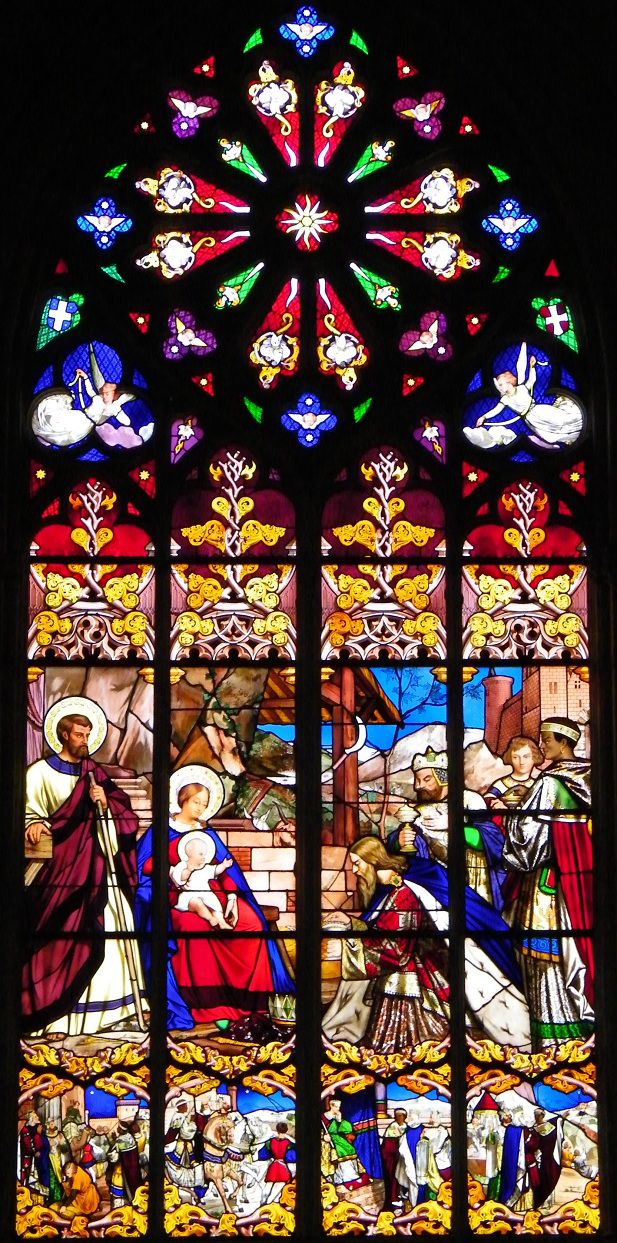 Another window depicts the Magi presenting the baby Jesus with gifts.
  A small chapel, which opens into the south transept, contains the tomb of the children of Charles VIII and Anne of Brittany—an elegant work by the school of Michel Colombe (16th century), placed on a base by Jerome de Fiesole. If the scaffolding is down and the renovations are completed, don’t forget to visit La Psalette just beside the cathedral. This elegant Gothic-Renaissance building and cloister once housed the canons and choir, hence the name La Psalette—the place where psalms were sung.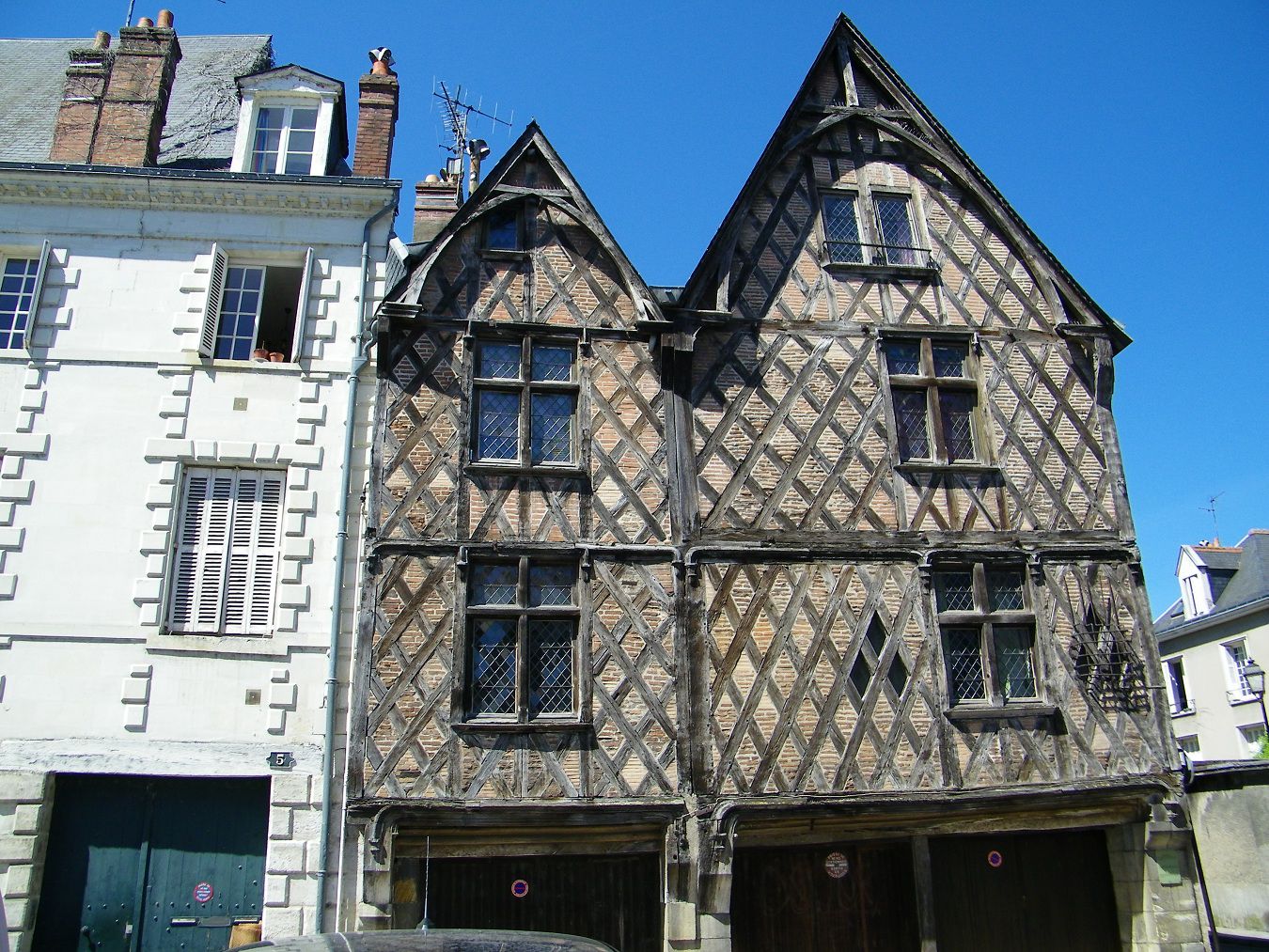
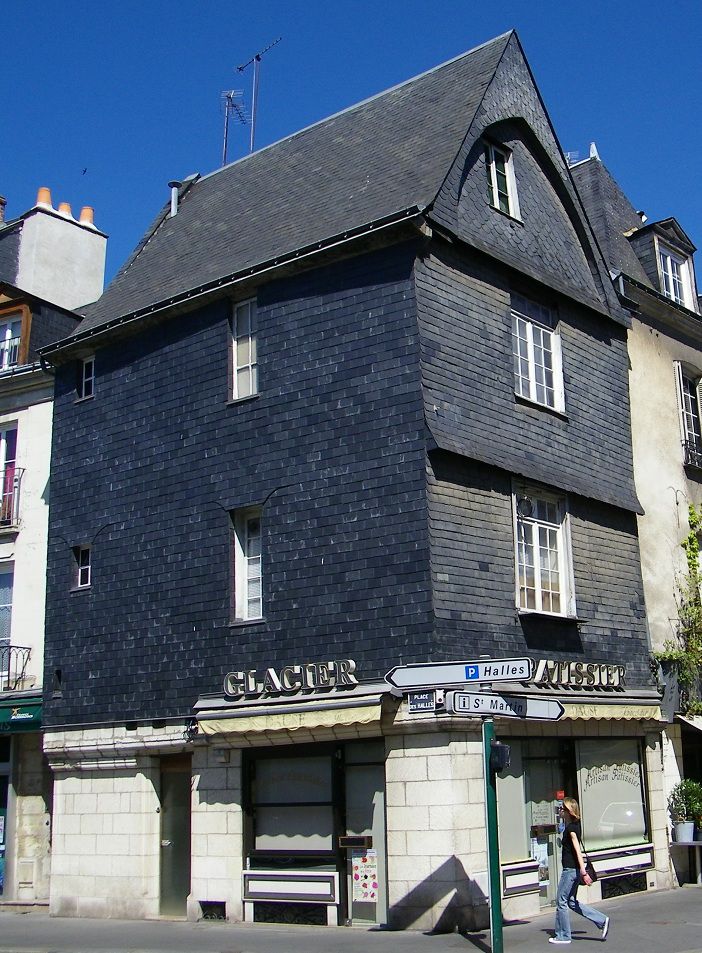 After visiting the cathedral, one should visit the old town. The vast restoration work begun in 1970 around Place Plumereau, have brought the old quarter back to life.
 The Place Plumereau is a picturesque and animated square. Once the hat market, it is lined with fine 15th century timber-framed houses alternating with stone facades.
 To the north of the square a vaulted passageway opens on to the attractive little Place St-Pierre-le-Puellier, with its pleasant gardens.
  Not far away is another building with an elegant staircase tower.

 The rue du Grand-Marché is one of the most interesting streets in old Tours, with a great number of half-timbered facades embellished with bricks or slates.
 Perhaps the most charming street is the rue Briçonnet which is bordered by houses showing a rich variety of local styles.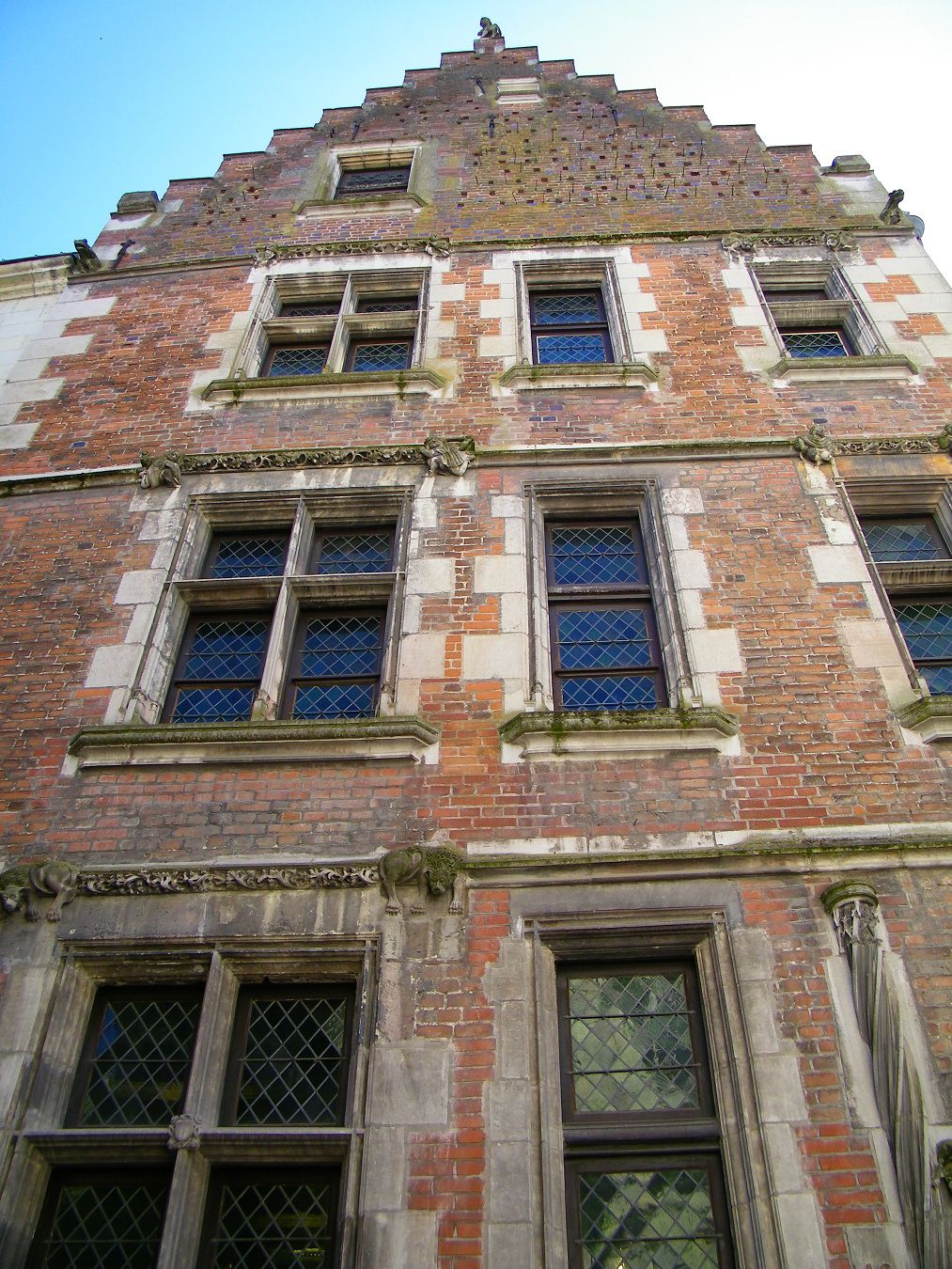

 Maison de Tristan for example is a remarkable stone and brick construction with a late-15th century pierced gable. At the Place de Châteauneuf is a fine view of the Tour Charlemagne and the remains of the Ancienne Basilique St-Martin, built in the 11th and 13th centuries over the tomb of the Bishop of Tours after the Vikings had destroyed the 5th century sanctuary.
  Opposite, the 14th century ducal residence, Logis des ducs de Touraine, houses a center for military servicemen.
 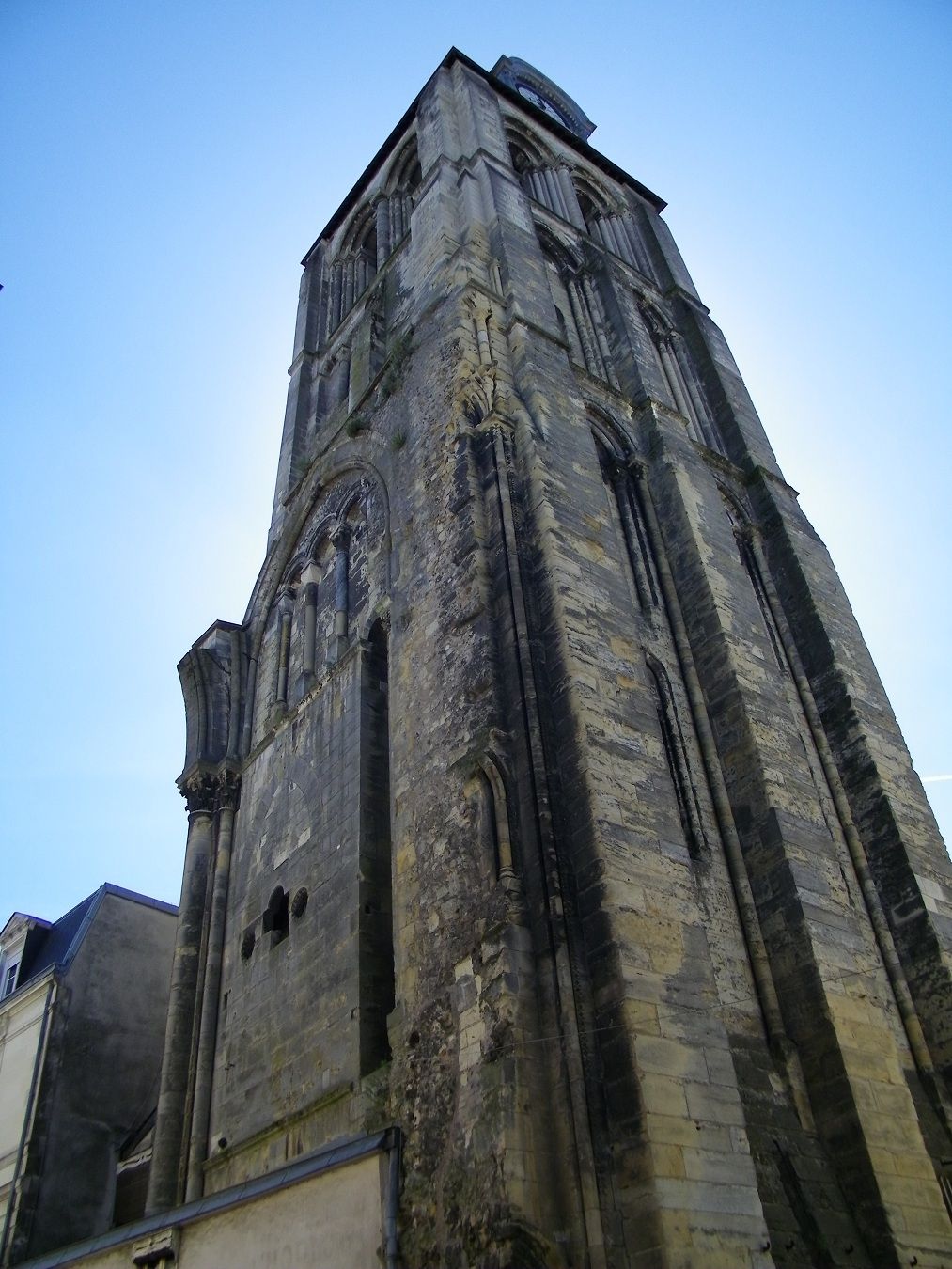 Further along the rue des Halles stands the Tour de l’Horloge, a clock tower marking the façade of the basilica which was crowned with a dome in the 19th century.
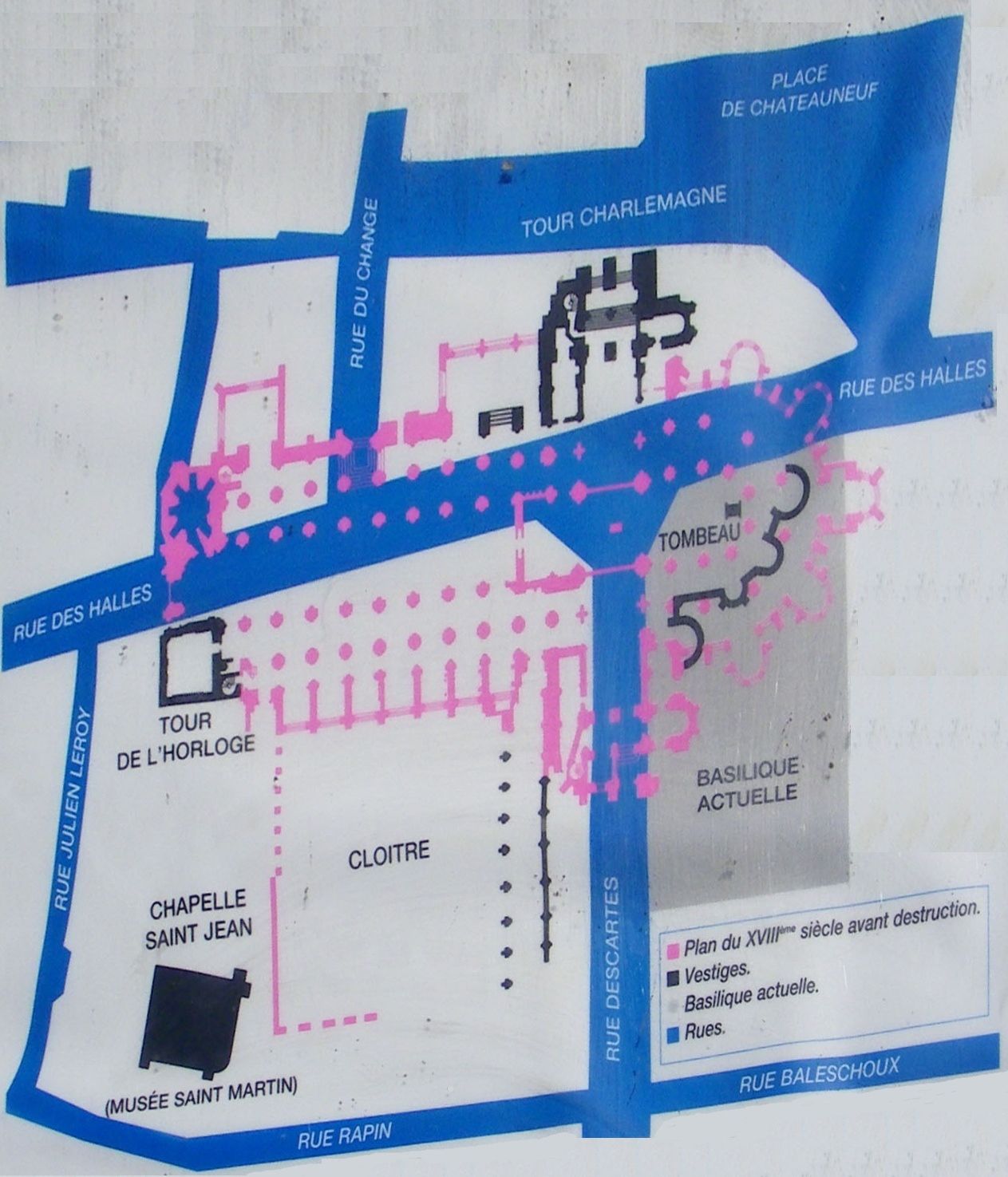
  At this time it is quite fascinating to look at the map to see what changes have been made over the centuries to the Basilique St-Martin.
  Saint-Martin, bishop of Tours, died in 397 and was buried in an early Christian cemetery. His successor, Saint-Brice, had a chapel built over the tomb. A remarkable basilica was built by Bishop Perpetuus (458-488) and consecrated on July 4, 471. A fire totally destroyed the castrum sancti Martini in 994. The treasurer Hervé de Buzançais decided upon the construction of a new church, work which lasted from 1003 to 1014.
 Numerous fires struck the basilica, which was repaired, transformed and rebuilt between 1096 and 1175. From 1175-1180, the church vaults were rebuilt, probably in the Plantagenet style.
  In the 13th century, a double ambulatory chancel was added in the style of the Cathedral of Bourges. During the 14th and 15th centuries, work proceeded on the interior of the church (chapel installations, etc…). The Huguenots pillaged the edifice in 1562. During the Revolution, it was turned into stables.
  In 1797, the vaults collapsed. Partially ruined, the edifice was demolished and in 1802 the Prefet Pommereul undertook the housing development around the actual Rue des Halles.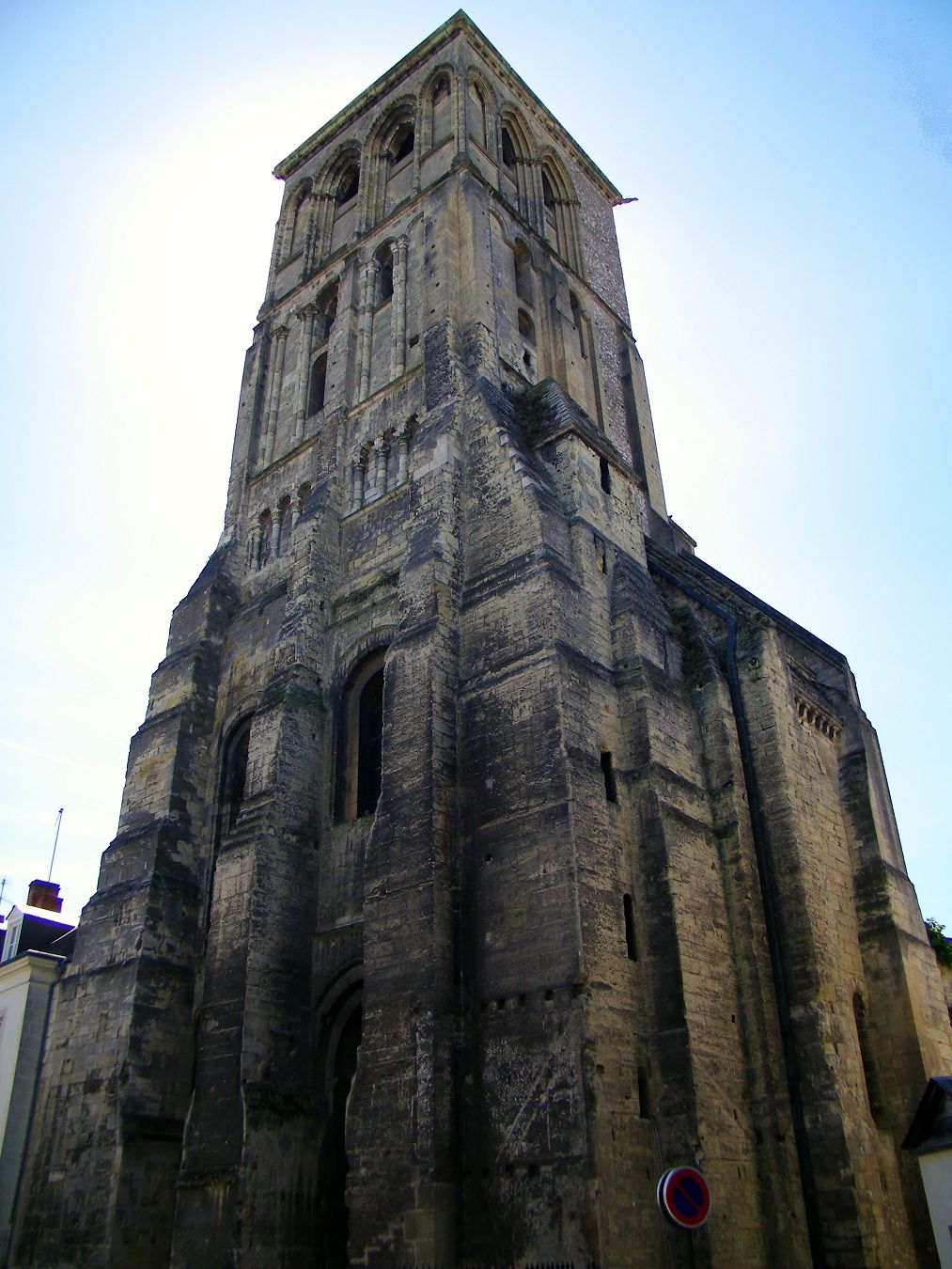
 All that remains today, to have an idea of the scale and dimensions of the original building, are the Tour de l’Horloge and the Tour Charlemagne.
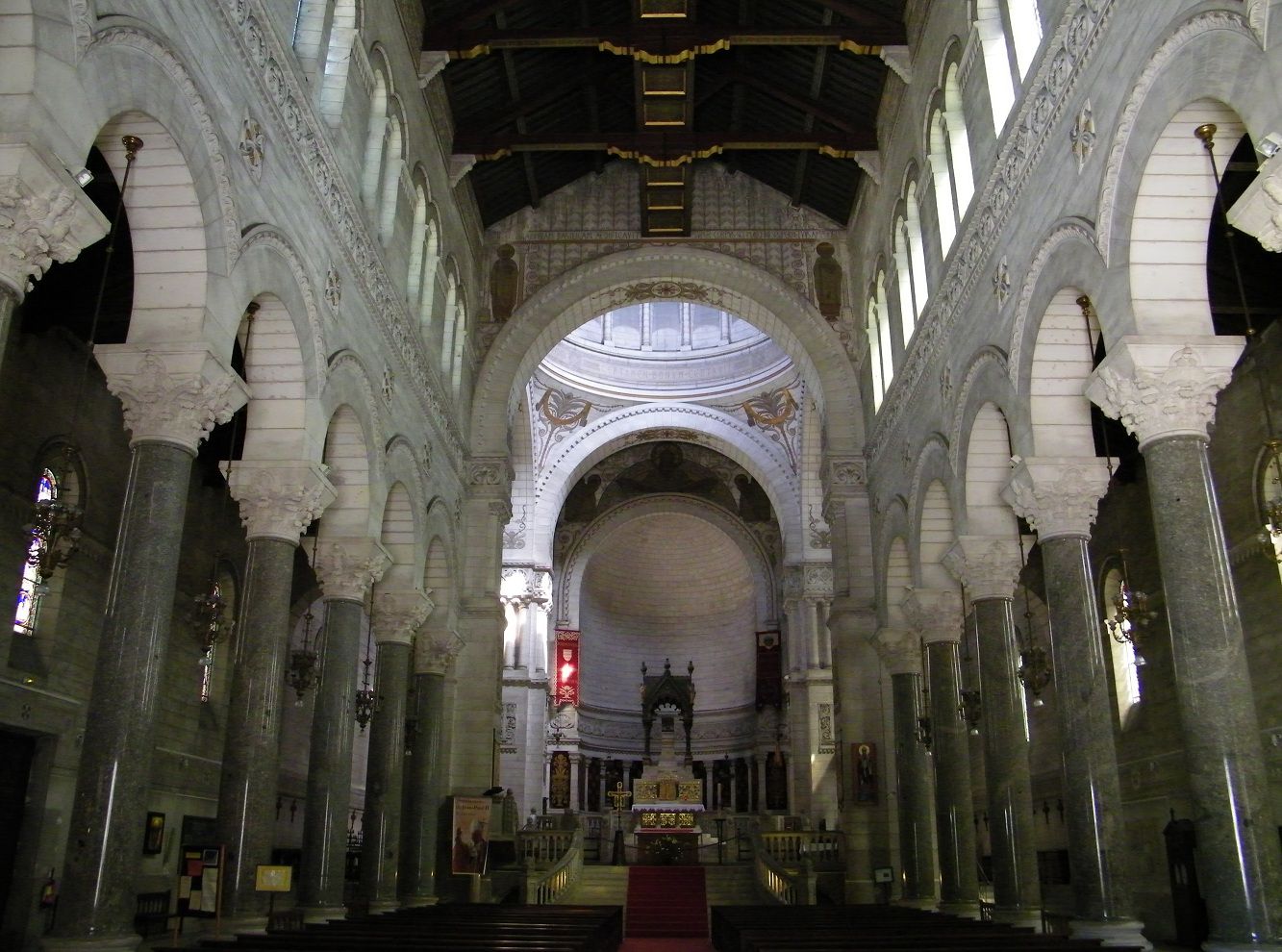
  The site of the tomb of Saint-Martin is preserved in the crypt of the basilica built in the 19th century and designed by Victor Laloux in a neo-Byzantine style. It was dedicated July 4, 1925. The markings visible on the rue des Halles correspond to the positions of the nave and transept columns of the original building.
 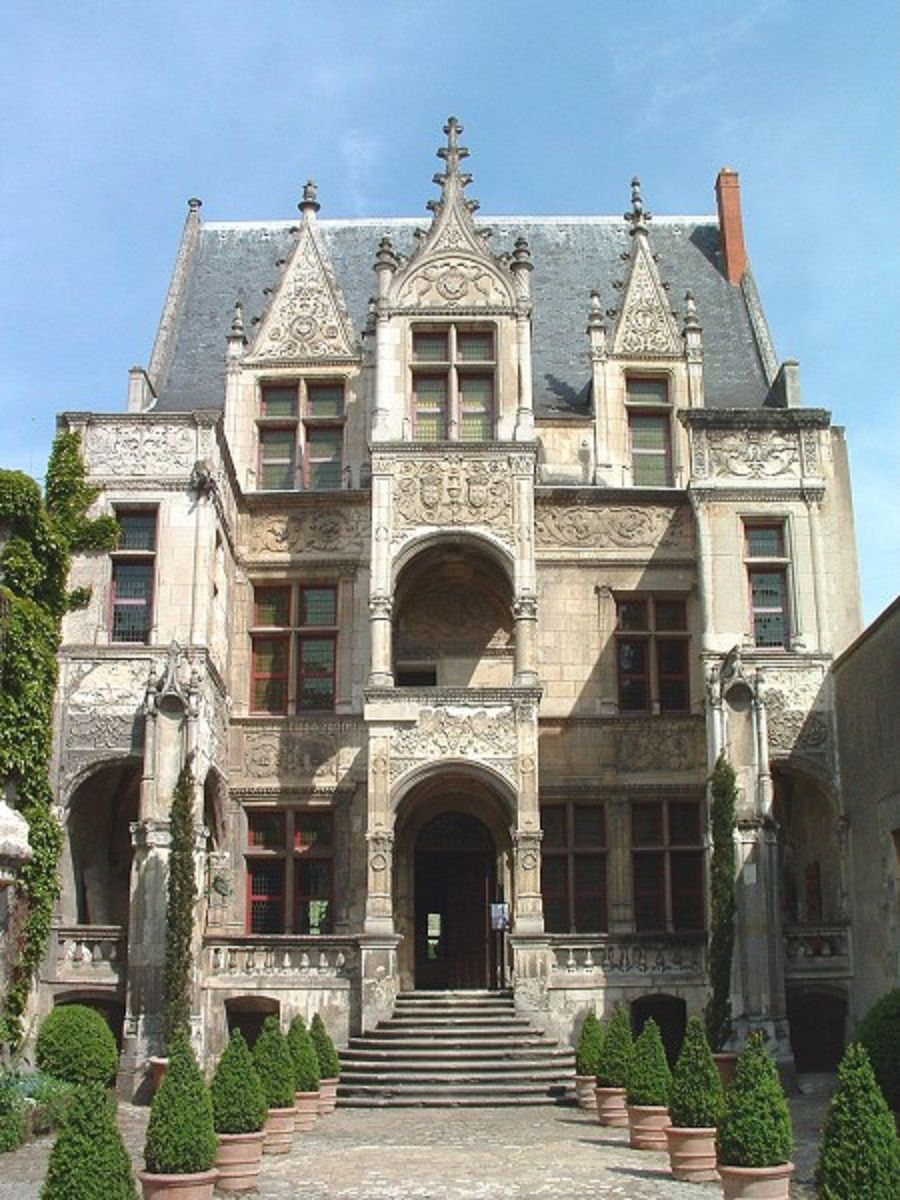 Walking back to the rue du Commerce be careful not to miss the Hôtel Gouïn. This mansion, a fine example of living accommodation during the Renaissance, is one of the most interesting of its kind in Tours. It was burnt out in June 1940 but the south façade, with its finely sculpted Renaissance ornamental foliage, and the north façade, with its fine staircase tower, were spared. It is now the Museum of Archaeology for the Touraine region.
 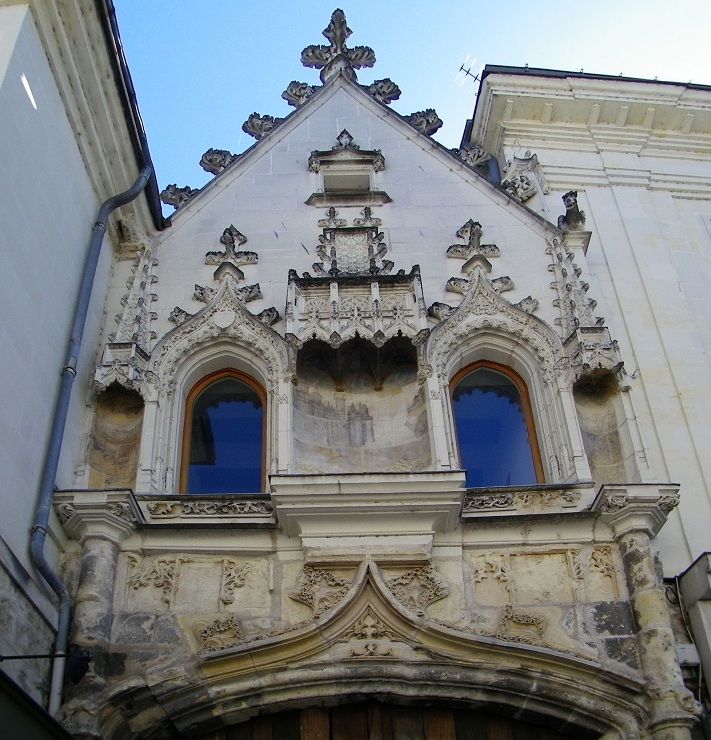 This part of old Tours is known as the St-Julien district where the Église St-Julien still stands despite its many misfortunes throughout the ages.
 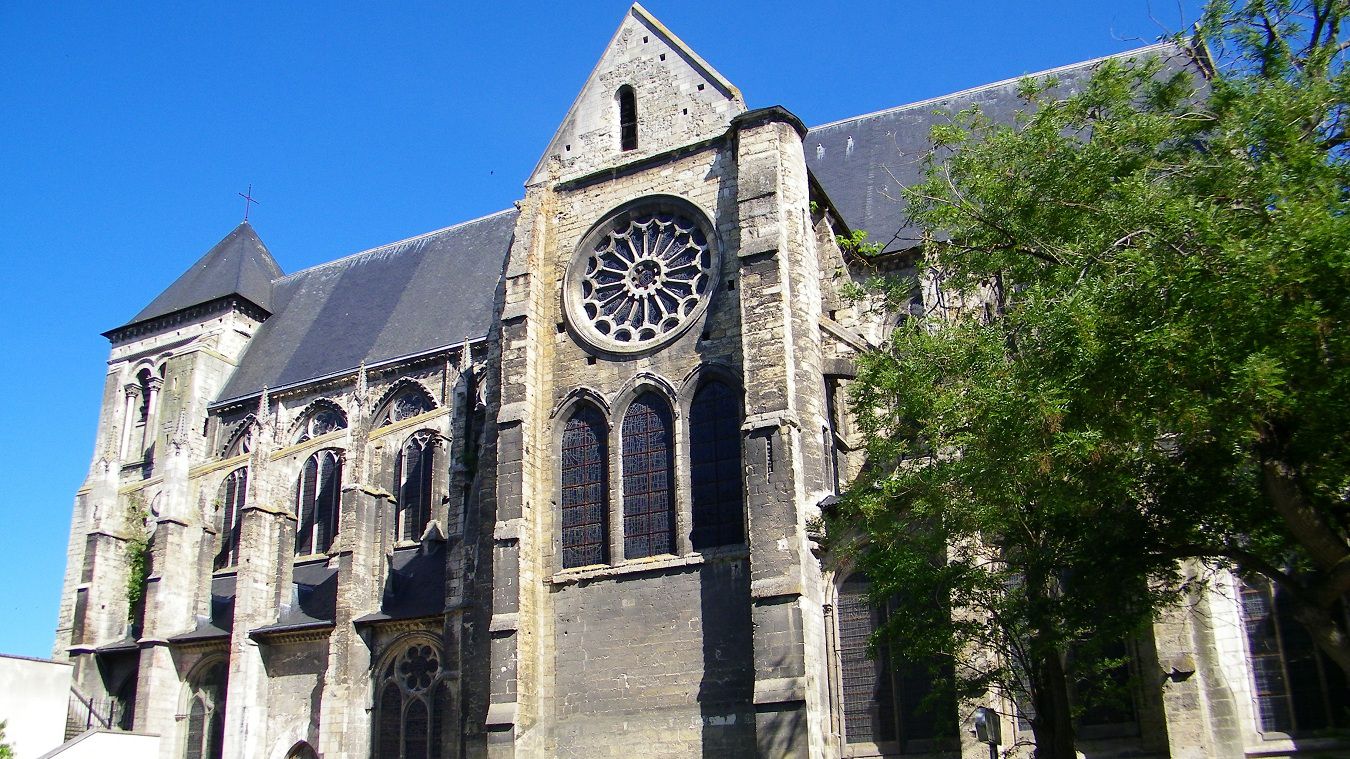 It rests on the foundations of a former Benedictine abbey from the 6th century and over the centuries there has been successive destruction and rebuilding of the church. In 853 the abbey was destroyed by the Normans only to be rebuilt in the 10th century.
  In 1044 the forces of Geoffrey III of Anjou heavily damaged it. Again, it was rebuilt and consecrated in 1083. Then, in 1224 a storm caused the nave to collapse. It was again rebuilt and continues to maintain its 13th century form.
  Time has not done this church any favors! During the Revolution it was sold and used as a stable. During the Second World War parts of the church were ravaged but the damage repaired.
  In 2004, a stone arch from the nave caused the closure of the building. It is not possible to enjoy the stained glass windows by Max Ingrand until the church opens its doors once again. As of 2011, there are plans in to completely restore and restructure the church and the Place Anatole France nearby.

 Part of this restoration will include the area just along the Loire where there is a great view of the Pont Wilson, or stone bridge, crossing the river. It is was inaugurated in 1918 and given the name Woodrow Wilson in honor of the President of the United States from 1912 to 1920.
  A tree-lined walk beside the Loire affords a nice view of the ancient Château de Tours.
  The Tour de Guise, with machicolations and a pepper-pot roof, was part of the 11th century fortress; the tower owes its name to the young Charles, Duke of Guise who was imprisoned in the castle after the assassination of his father. The building currently serves as a contemporary art museum.


/idata%2F3191025%2FChateaux%2F2226-Le-Logis-Renaissance-et-la-forteresse-medievale--Mon.JPG)
/idata%2F3191025%2FChateaux%2F2100-Logis-royal-et-Jardin-publique--Loches.JPG)
/idata%2F3191025%2FChateaux%2F1699-Jardin-d-inspiration-medievale--Chateau-de-Langeais.JPG)
/idata%2F3191025%2FLe-Lude%2F1529-Chateau-de-Villandry.JPG)