
De captivants à banals, les articles et photographies de “The Baguette” sont une tentative de publier un journal de ma vie dans la Manche et de proposer un forum de discussion pour tout ce qui touche à la Normandie.
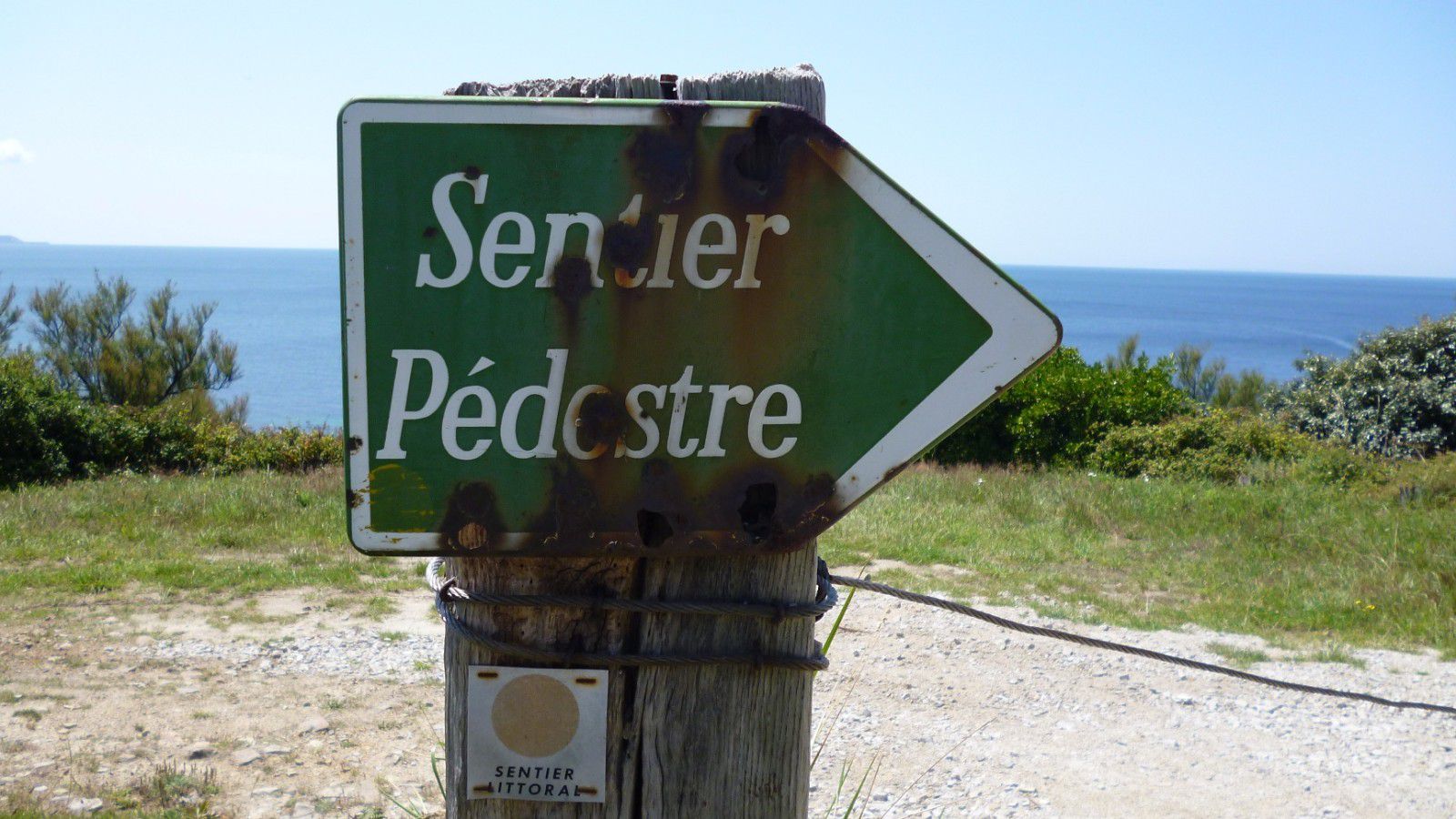 One of the best ways of discovering the countryside of La Hague is to walk along one of the many coastal footpaths called le sentier des douaniers. In English, the name means “the customs’ paths” since it was once a notorious place for tobacco smugglers from the Channel Islands to hide their boats during bad weather.
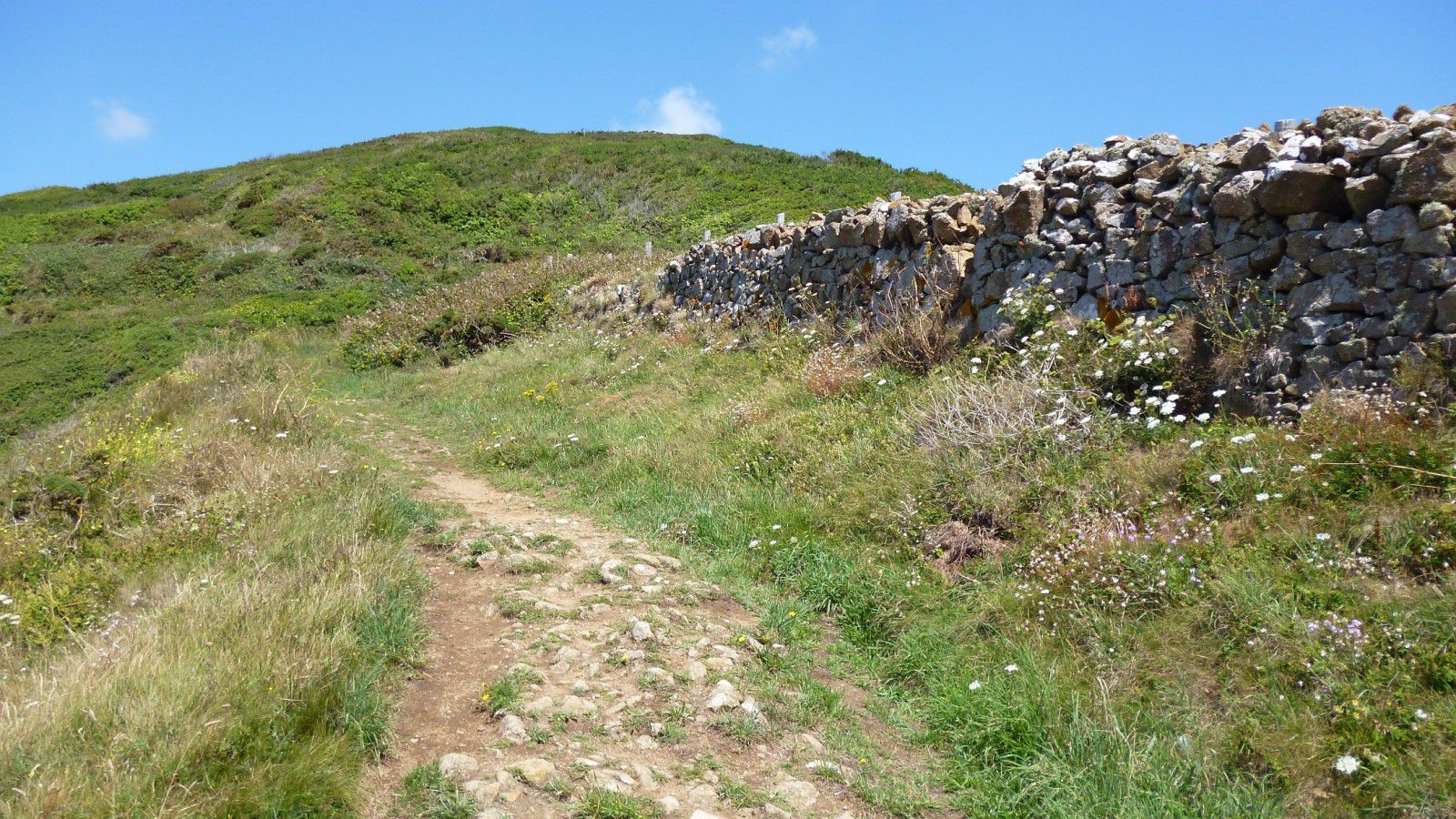
 From 1800 to 1850, French customs officials did their best to stop illegal contraband by guarding the many paths along the coast. Throughout the region there are short, medium and long distance footpaths marked with red and white lined lines to keep one from getting lost. My trip yesterday was just a small one at six kilometres total.
  I started at the bottom of route des Moulinets and headed toward Herqueville along the Baie des Fontenelles. The views from here are spectacular to say the least. At one point, looking off into the distance, one can see the island of Alderney.
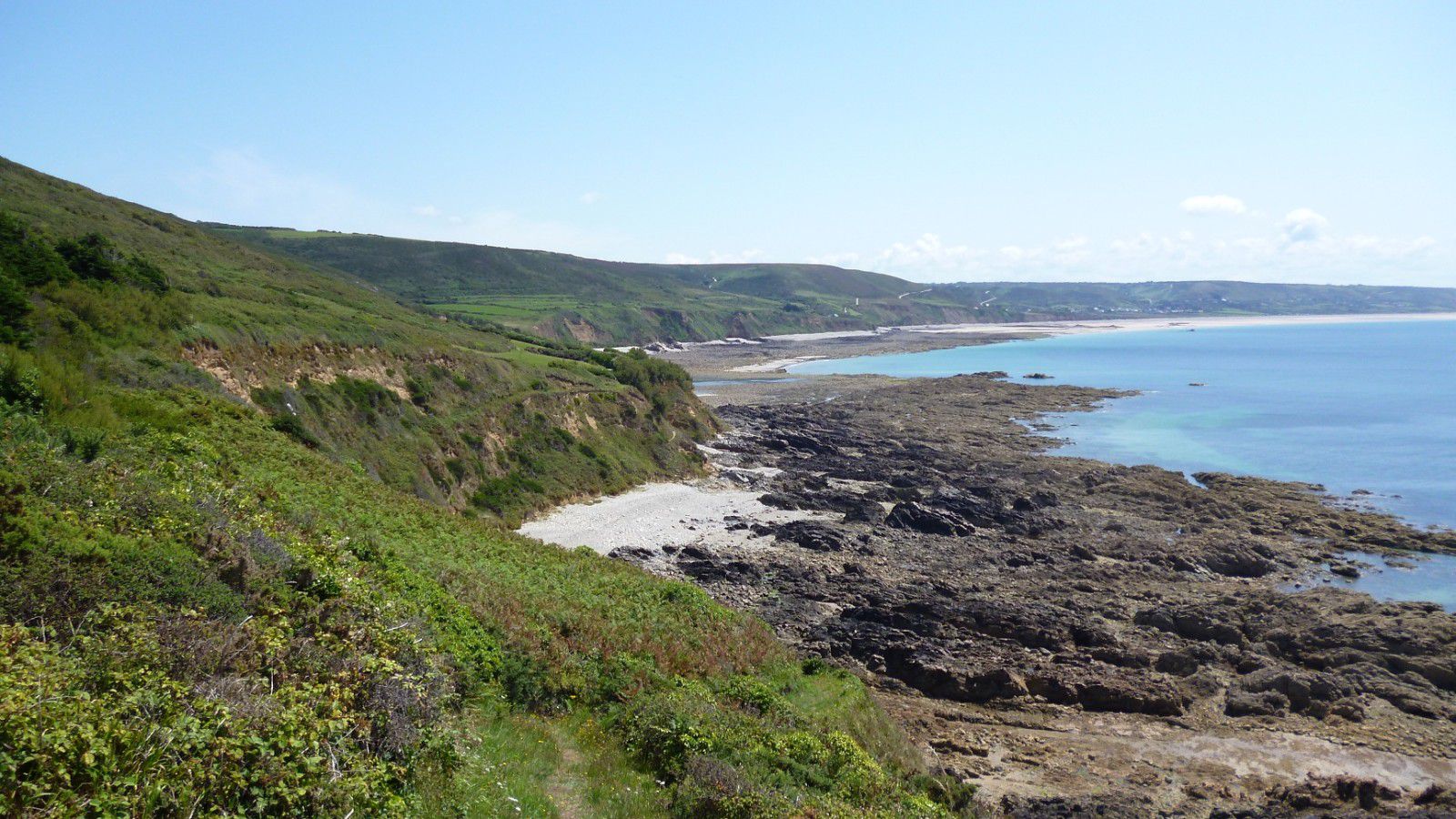

 At the point called les Treize Vents (the thirteen winds) it is easy to see the small cove of port du Houguet. This quaint little spot is one of four small ports in La Hague, the others being Port-Racine, le Hâble and Goury.

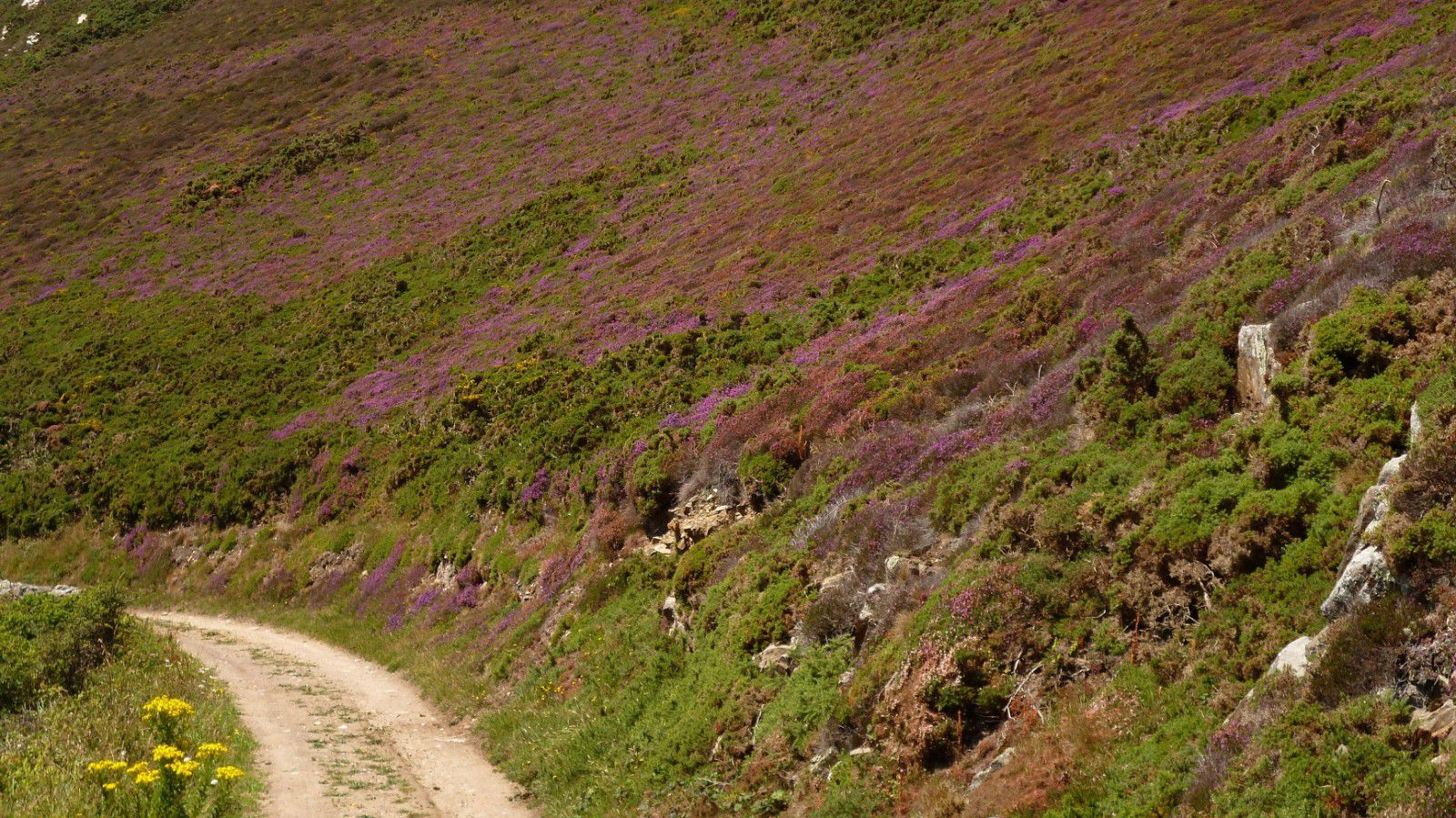
 The wild and colorful shrubs, ferns, brambles and thistle are everywhere clinging to the steep cliffs but some places have been grazed clean by the many goats and sheep raised here by local farmers.
 The toughest part of the hike was the upward climb along the chemin de crève cœur (there’s a double meaning to the name of this path—the exhausted heart that bursts or the more romantic path to heartbreak) to the small village of Herqueville.

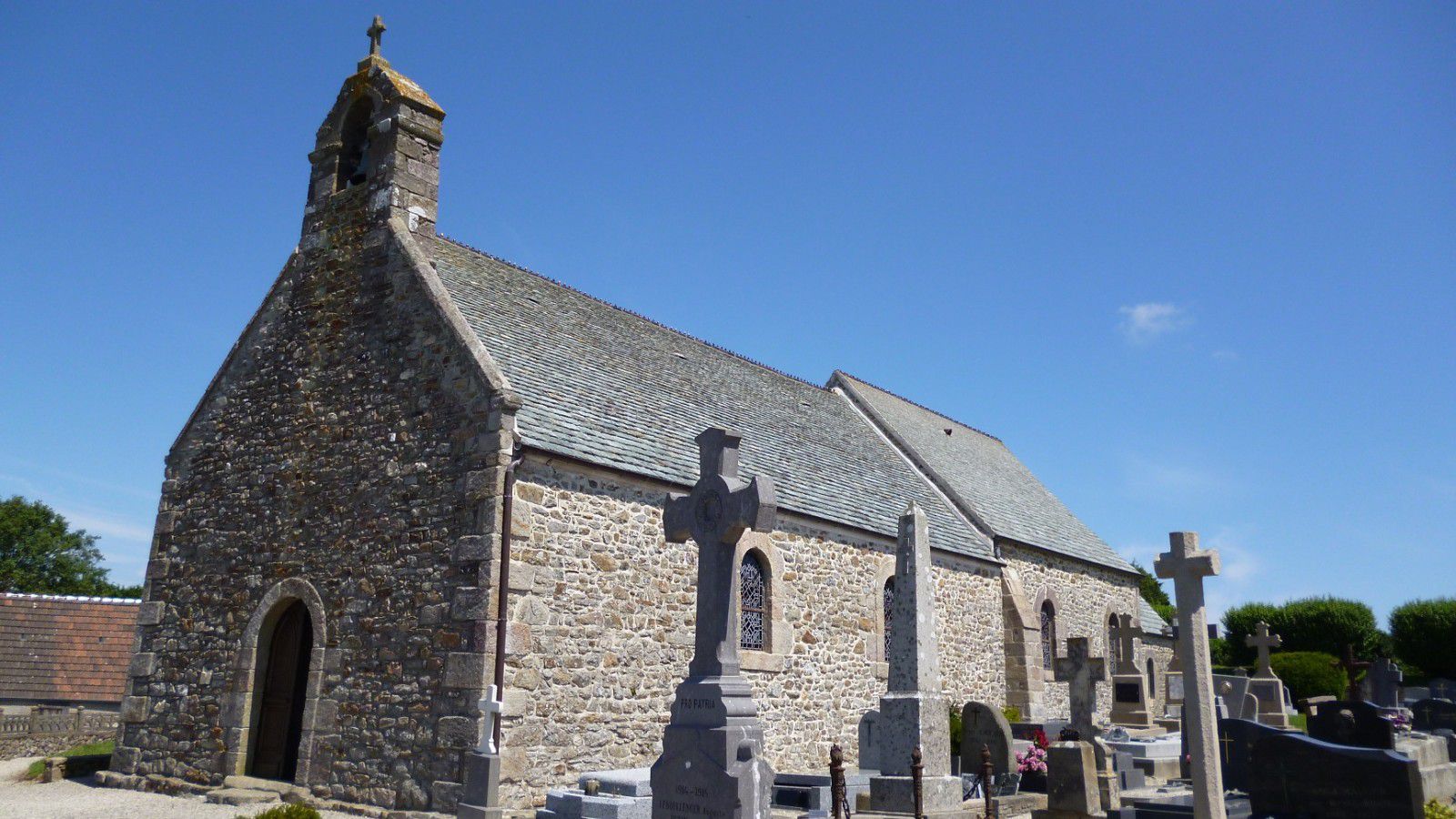
 Beside the town hall rests the quite modest church dedicated to Our Lady. The old baptismal font near the entrance reminds us of Christ’s baptism. The wooden vaults of the nave are shaped like an overturned ship and have recently been restored.
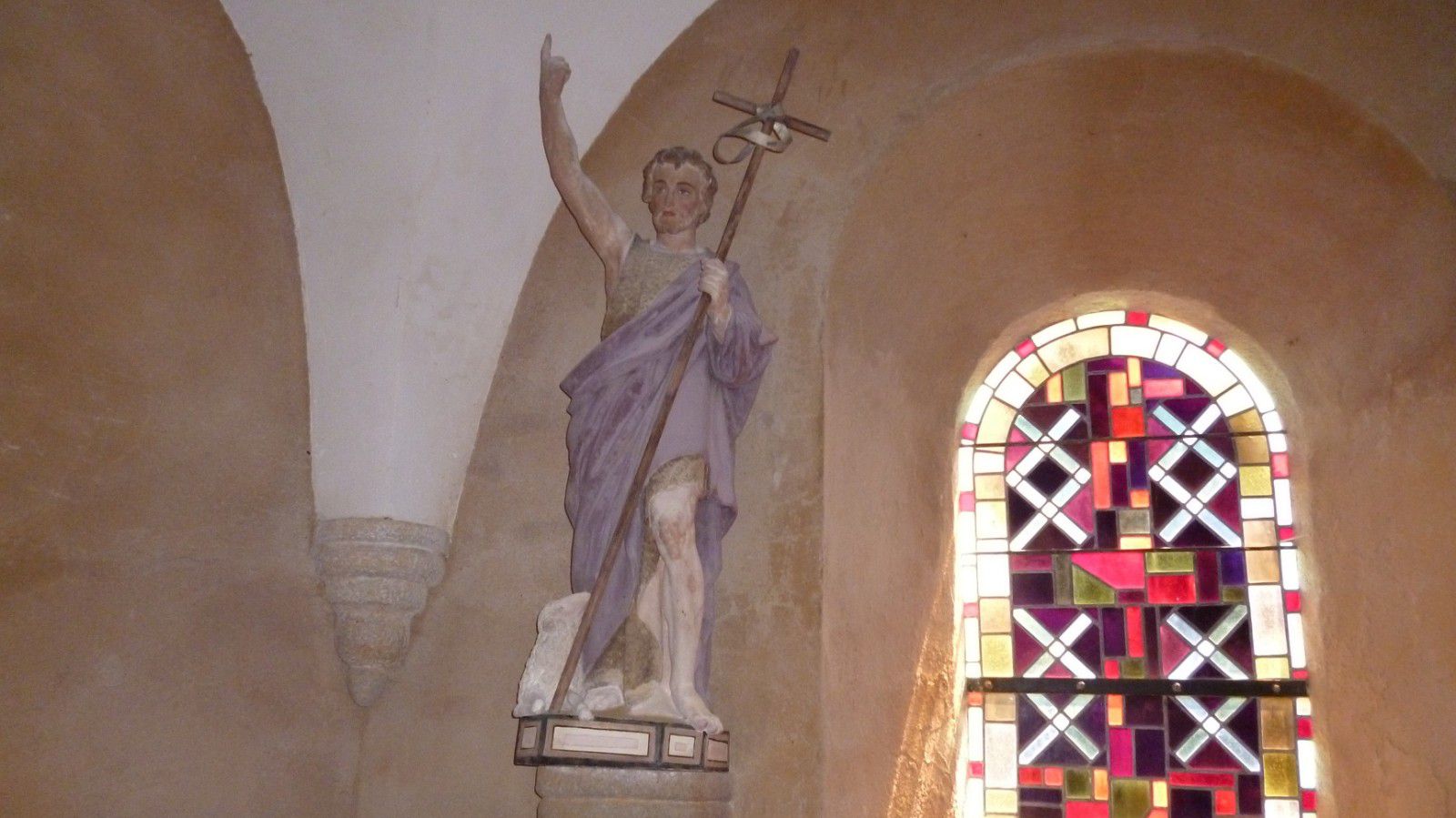
 The choir was rebuilt in 1785 and is surrounded by statues in polychrome stone or wood. Just behind the altar is the sacristy.
  Along one of the walls is a bell that came from Omonville-la-Petite and is dated from 1733. Herqueville has its own well and lavoir as well which adds to the charm of this little village by the sea.


/http%3A%2F%2Ffarm9.staticflickr.com%2F8450%2F7899653688_11b5ba7c31.jpg)
/idata%2F3191025%2FGay-friendly-normandy%2F4075-Port-du-Hable--Omonville-la-Rogue.JPG)
/idata%2F3191025%2FQuerqueville%2F302-Vauville.JPG)
/idata%2F3191025%2FEglise-Urville-Nacqueville%2F006-Glee-Project-winner.JPG)