
De captivants à banals, les articles et photographies de “The Baguette” sont une tentative de publier un journal de ma vie dans la Manche et de proposer un forum de discussion pour tout ce qui touche à la Normandie.


 On Friday, after some cloudy skies in the morning, the sun came out and I decided to continue with my hikes along le sentier des douaniers near Vauville. I parked near l’ancien carrière at the bottom of the D318 and proceeded to walk down la rue following the signs to le prieuré.
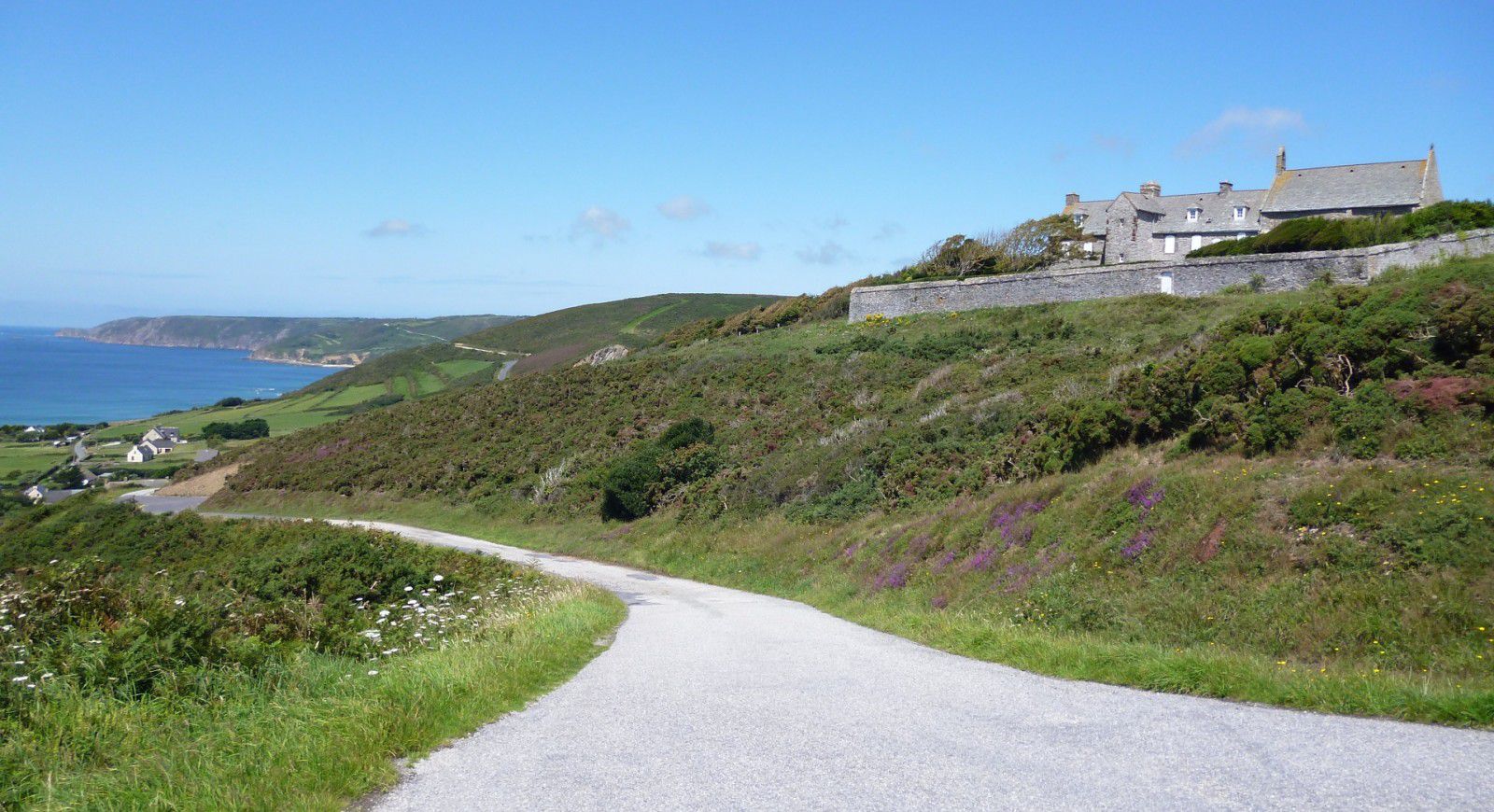
 The Benedictine priory of St-Michel, which stands on a hill to the left of the road, was founded in 1147 by Richard, grandson of William of Vauville. He was responsible for bringing here the monks of Cerisy-la-Forêt. It has long been called the Priory of St-Hermel and is the same priory where the Blessed Thomas Hélye (1187-1257), chaplain of St-Louis, came to study when he was very young. His body now lies in a reliquary tomb at the church in Biville.
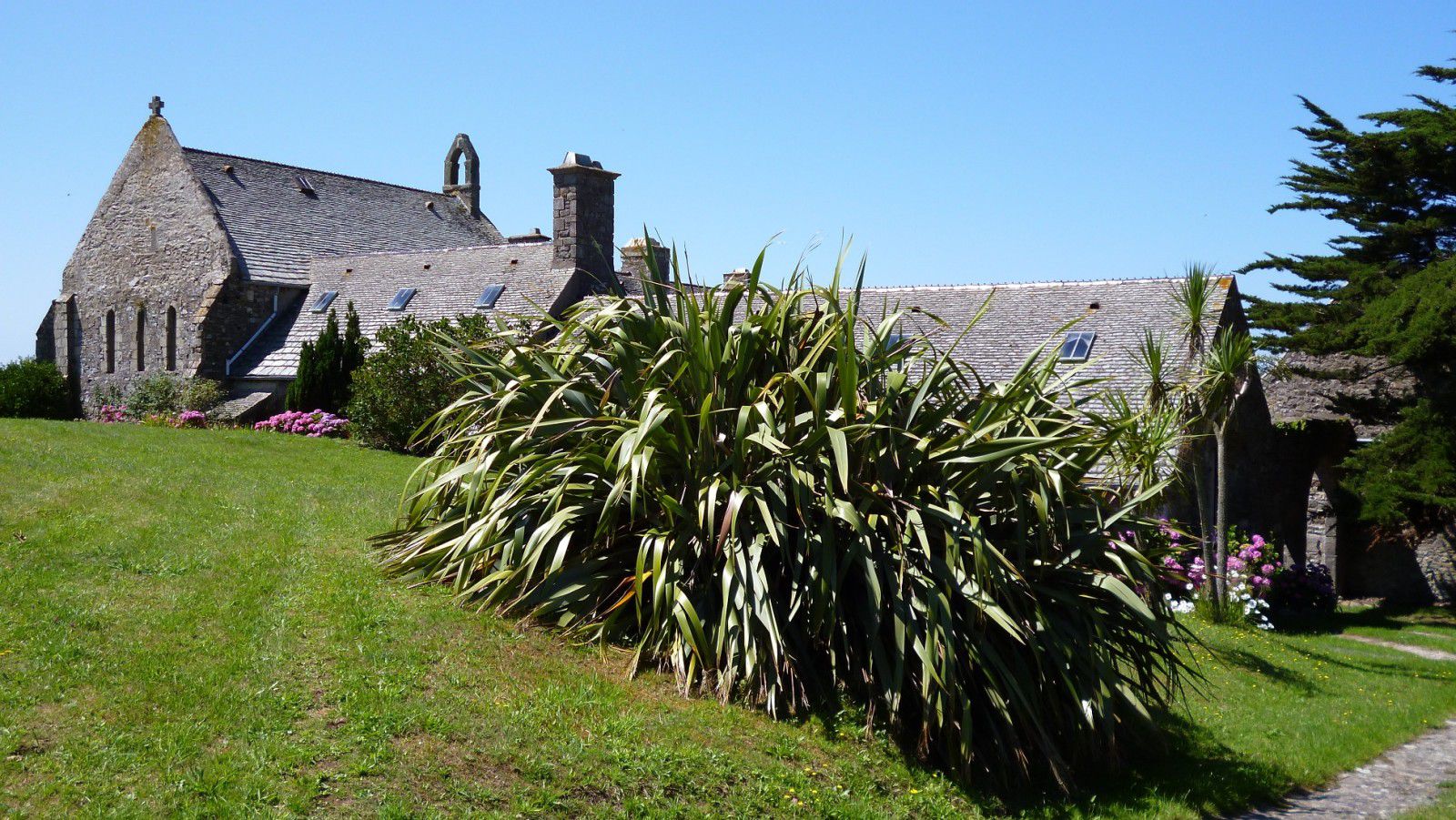
 Sadly, the priory is now a private residence and visits are not permitted beyond the white gate.
  Famous local artist, Jean-François Millet did this oil painting of the priory. It now hangs in a museum in Amsterdam.
  This hike was only 8.2 kilometres long and was quite easy-going despite most of the uphill walking. At one point, I was at a level altitude with the La Hague Reprocessing Plant which I could see in the distance.
 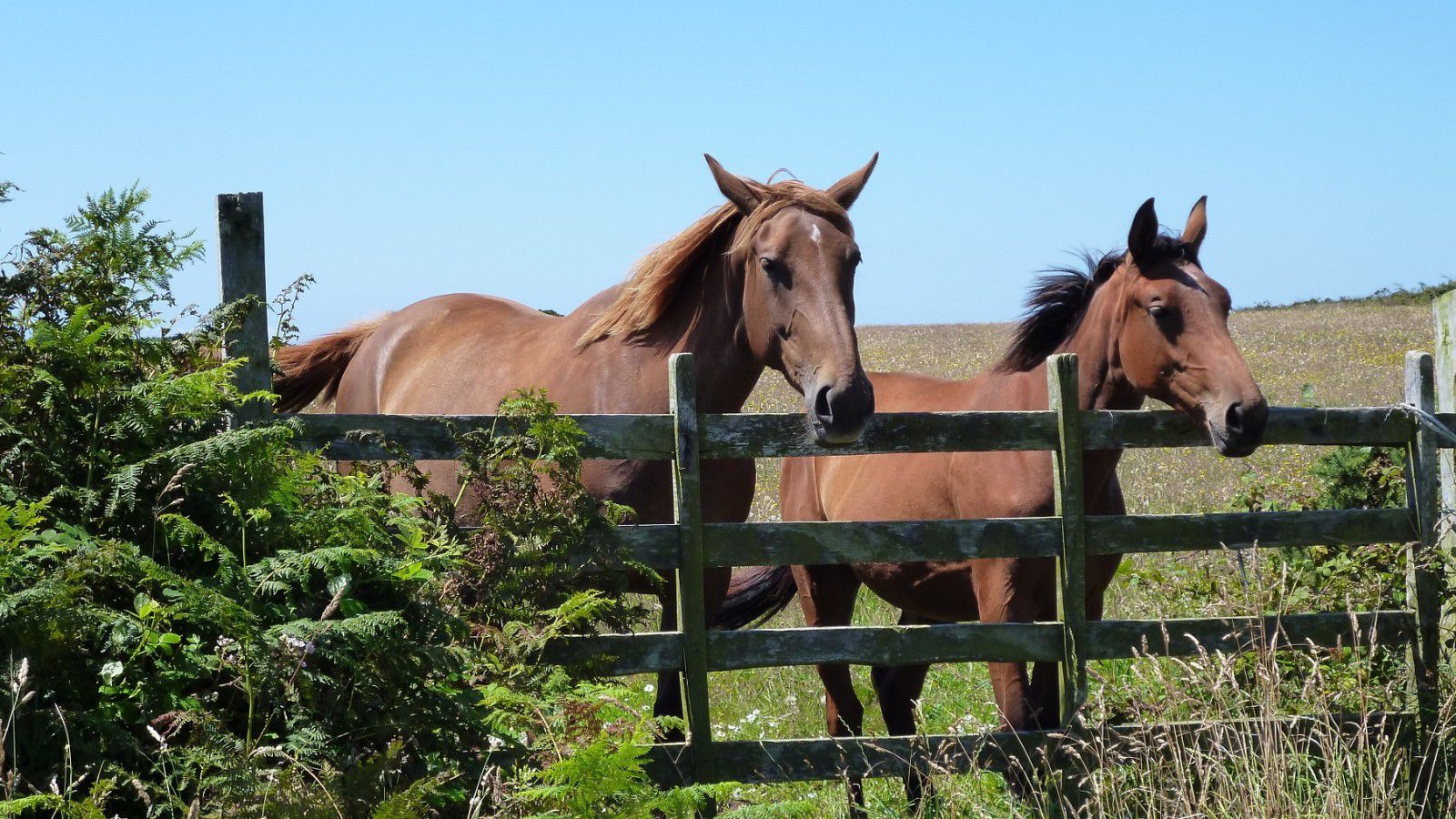 Up here there are a lot of fenced-in properties with cows, sheep, goats and horses grazing—I had to be sure I closed gates behind me as I went along the trails.
 Le petit Doué lies at the bottom of the path where I stumbled upon a covered lavoir once used by residents to wash their clothes. I wanted to visit the church in Vauville again and so I followed the signs into town.
  The church was placed under the patronage of St-Martin and its construction is dated to around 1160, shortly after that of the priory. The three-level bell tower has Romanesque windows and is covered with a pyramid roof. There used to be three bells in the belfry but they were recast in Villedieu on February 3, 1951 and the new electric bell was blessed on June 12, 1952.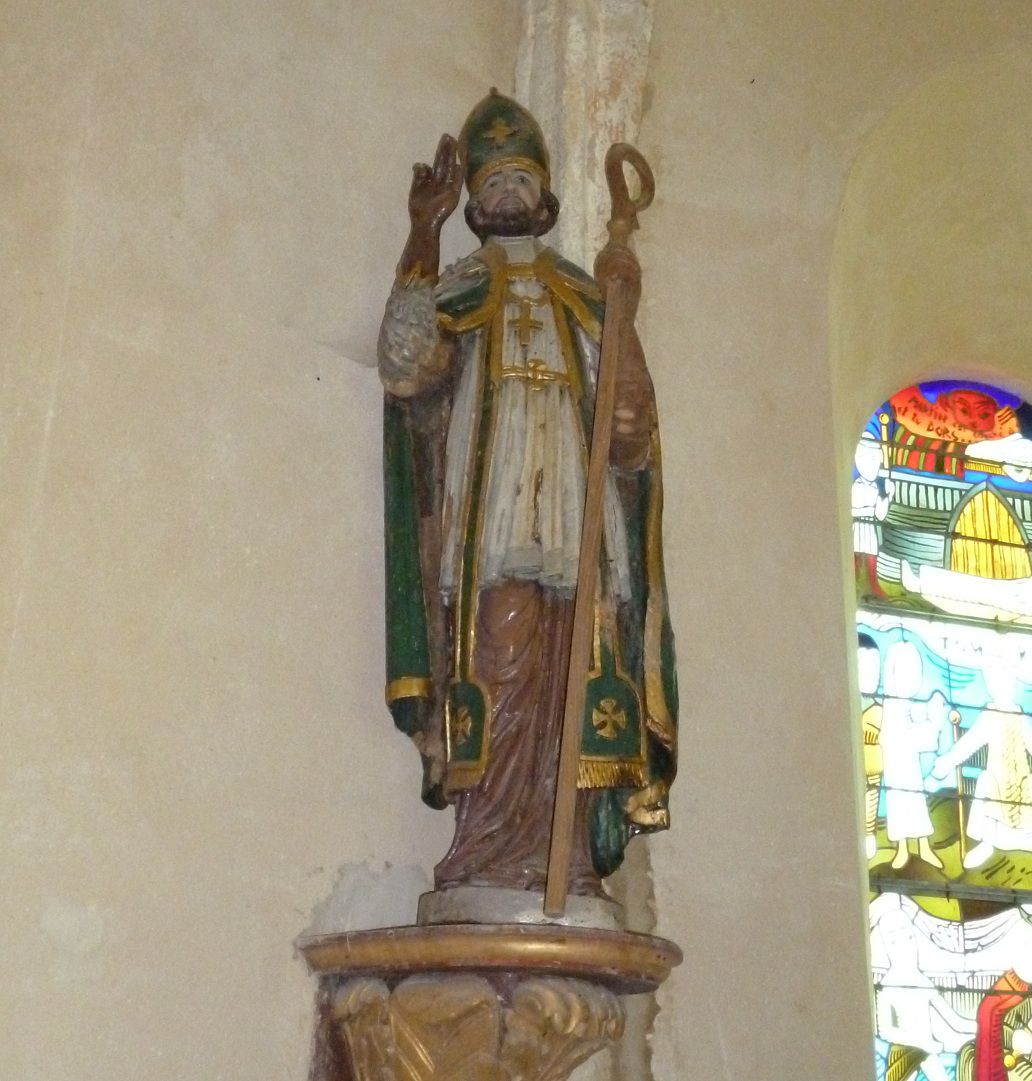

 The nave is covered in wood from the 12th century. The Lady Chapel dates from the beginning of 13th century as does the Gothic choir, which was renovated in the 18th century and is well lit by the modern windows placed there in 1966.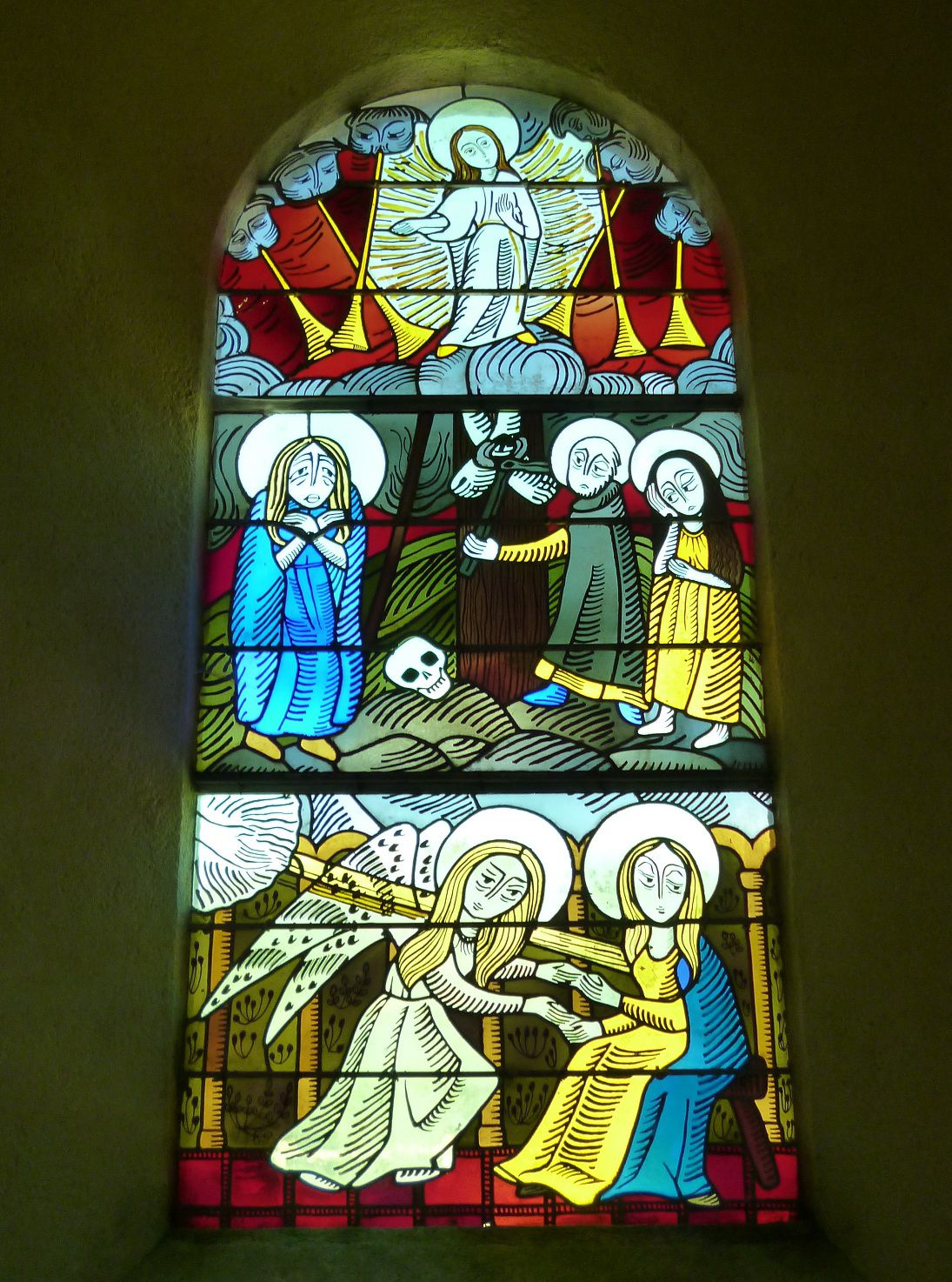


 Just beyond the church are the château and the jardin botanique. I chose not to visit them since I’ve been there so many times before. The château was built in 1163 by Richard of Vauville—only the keep remains. The current building from the 17th century has two wings built at right angles above the former foundations.
  It is the property of Guillaume Pellerin whose father designed the botanical gardens nearby. In 1972 the château was inscribed as a historical monument and the gardens were included in 1992. The château is almost always closed since it is a private residence and therefore only opens during European Heritage Days in October. However, the gardens are open throughout the year and are quite beautiful. They contain the largest palm grove in northern Europe.
  After walking around the town, I followed the beach back to where I parked my car.


/http%3A%2F%2Ffarm9.staticflickr.com%2F8450%2F7899653688_11b5ba7c31.jpg)
/idata%2F3191025%2FGay-friendly-normandy%2F4075-Port-du-Hable--Omonville-la-Rogue.JPG)
/idata%2F3191025%2FEglise-Urville-Nacqueville%2F006-Glee-Project-winner.JPG)
/idata%2F3191025%2FChemins-de-Querqueville%2F015-Herqueville.JPG)