
De captivants à banals, les articles et photographies de “The Baguette” sont une tentative de publier un journal de ma vie dans la Manche et de proposer un forum de discussion pour tout ce qui touche à la Normandie.
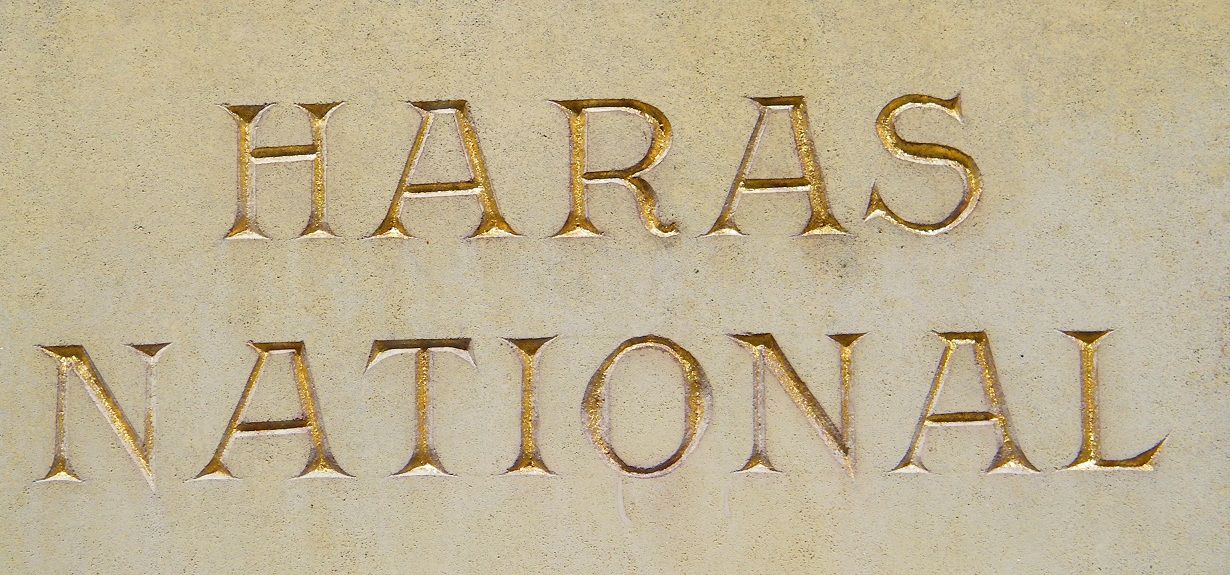 After lunch, our AVF group went across the street to the stud farm known as Le Haras National de Saint-Lô. Many of the buildings date between 1806 and 1884 although many of them were destroyed during the bombings of 1944.
  Today, the buildings gave been rebuilt according to the original designs. The red brick and stone buildings are laid out in an oval pattern with huge rose bushes planted between each window.
  The centrepiece of the haras is the small château in the center of the property that opens up to the well-manicured courtyard and garden.
  The Saint-Lô stud farm, the most important of the 23 national stud farms, specializes in breeds such as Norman cobs, trotters and French saddle-horses.

 The eight stables surrounding the main courtyard, house over 100 stallions of seven different breeds: thoroughbreds, Anglo-Arabs, French trotters, French saddle-horses, French and Norman cobs, Pecherons, New-Forest and Connemara ponies.
  Our tour guide was very kind and knowledgeable. She took us through the most important places on the property
  including the clinic where artificial insemination is done,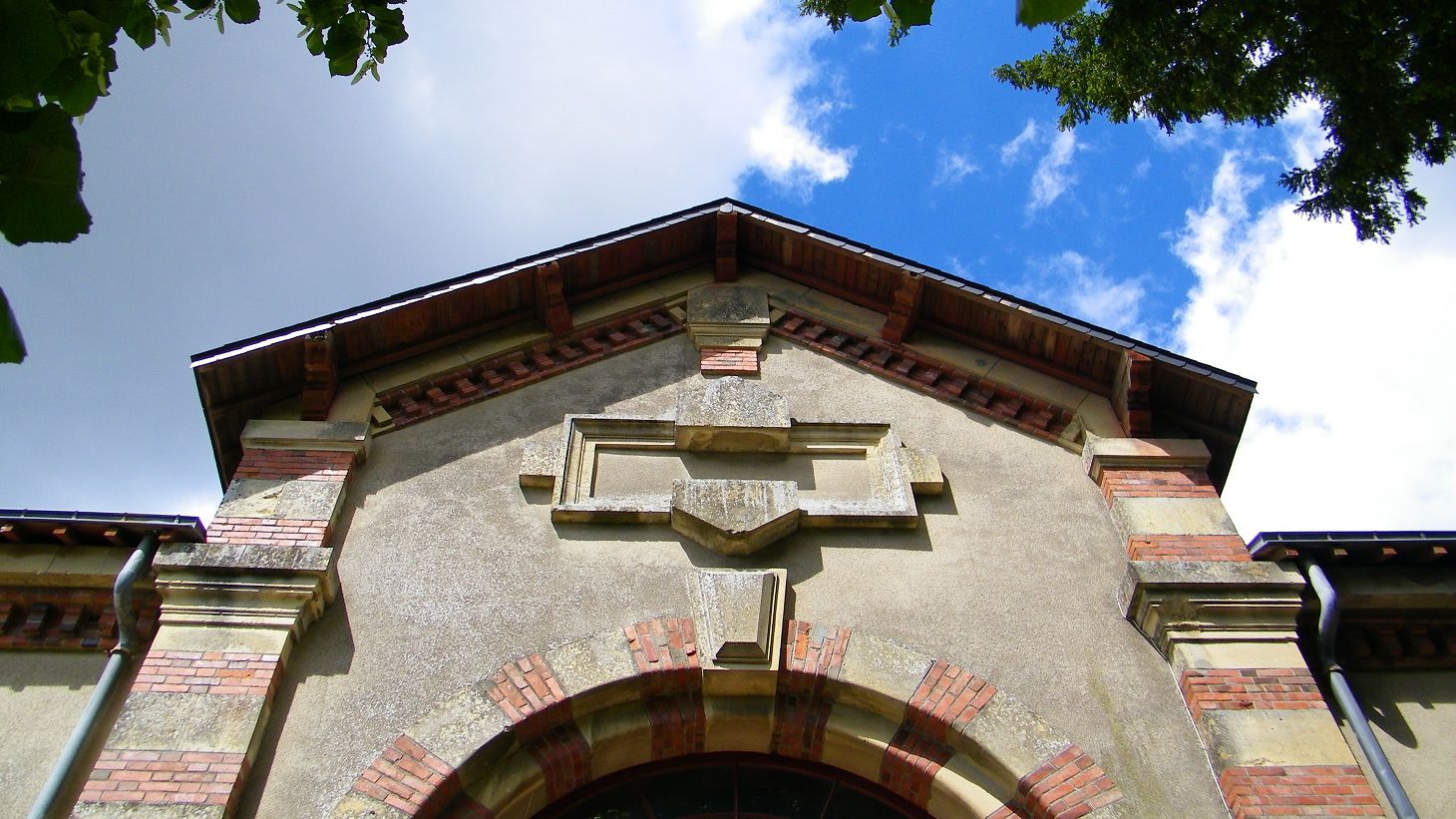
 the dressage quarters, exercise buildings and introduced us to several horses in their stalls.
  This one is named Othello de Cauville.
  The white one is Ideal du Perche. The ancestry of each horse is well documented so that horse owners from all over the world can choose which horses they would like to breed with their mares.
 Although I am not keen on horses, I was very pleased with our tour of the property.
 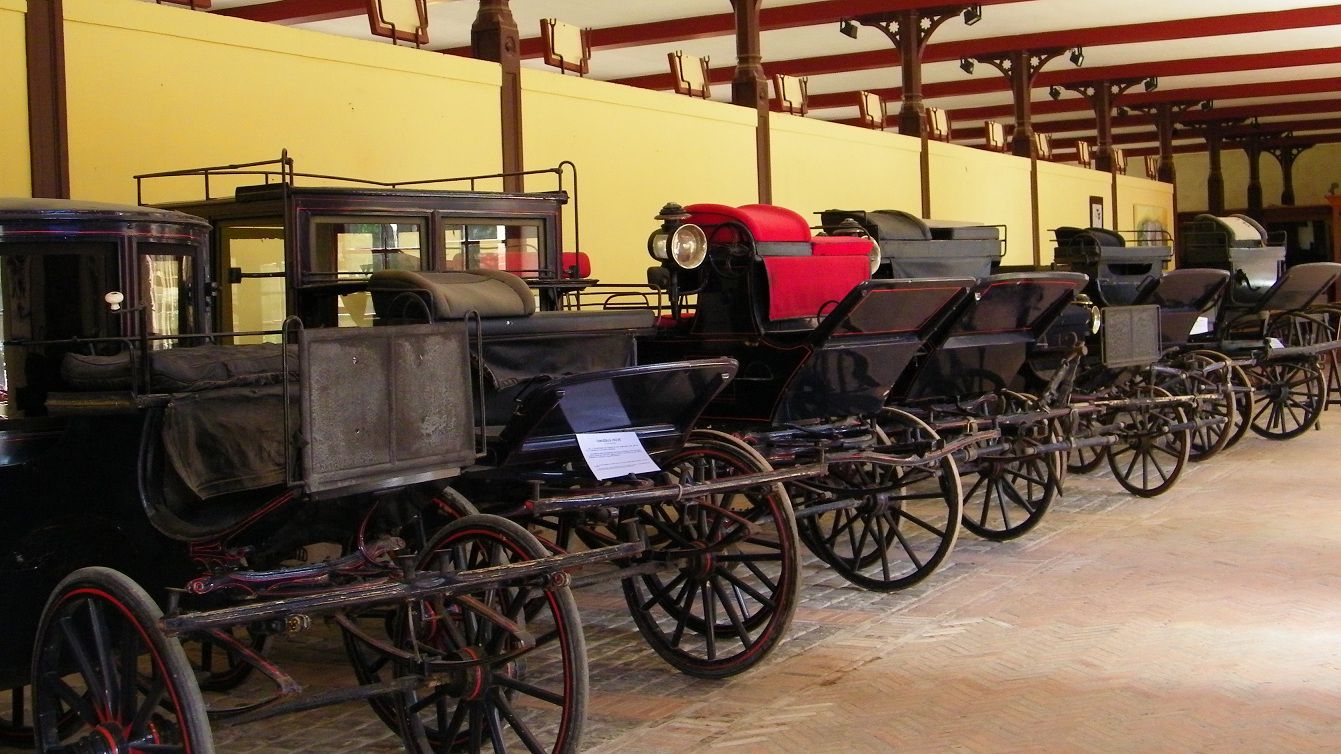 Inside the main building, is a museum devoted to horse-drawn carriages and the history of the stud farming in France. Here's a picture of me wearing a funny cap. It was part of a military uniform that belonged to a worker at the farm many years ago.


/idata%2F3191025%2FPirou%2F105-l-eglise-Saint-Ursin.JPG)
/idata%2F3191025%2FGrand-Vacance%2F160-La-foret-de-Saint-Sever.JPG)
/idata%2F3191025%2FApril-Vacation-2010---2%2F044-La-Cambe-Normandie.JPG)
/idata%2F3191025%2Fsecond-batch%2FDominique-DEME-7-rue-des-Embruns.JPG)