
De captivants à banals, les articles et photographies de “The Baguette” sont une tentative de publier un journal de ma vie dans la Manche et de proposer un forum de discussion pour tout ce qui touche à la Normandie.
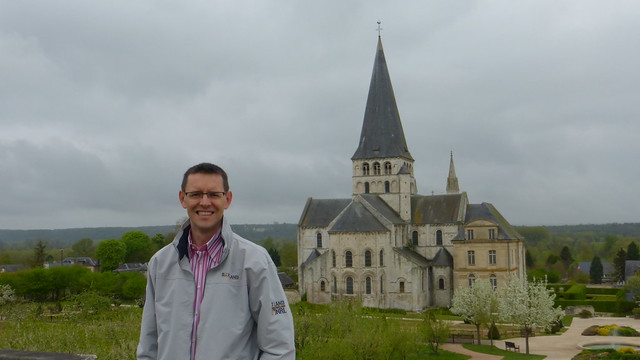
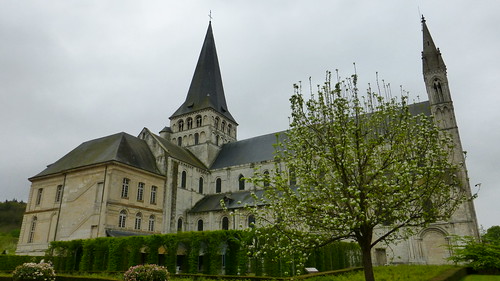
The Benedictine abbey was founded in 1144 by Guillaume de Tancarville on the site of a collegiate church built around 1050 by his father Raoul, Grand Chamberlain to William the Conqueror. Raoul de Tancarville installed a community of Augustinian Canons who were later replaced by Benedictines from St-Évroult.  No more than 40 monks were ever present and they were driven out during the French Revolution. The abbey church, which became St-Martin’s Parish Church at the time of the Revolution and so was saved from destruction, is now one of the Seine Valley’s finest small monuments. The building, which was constructed from 1080 to 1125, apart from the vaulting in the nave and transept which is 13th century, possesses a striking unity of proportion and harmony.
 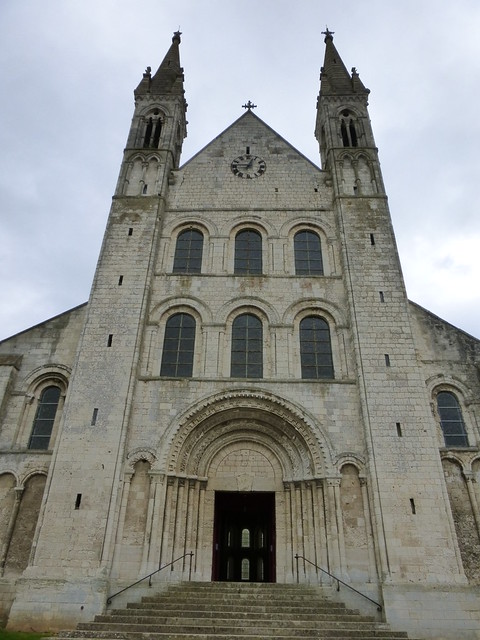 Unlike the interior of the church, the façade is quite plain and devoid of any decoration.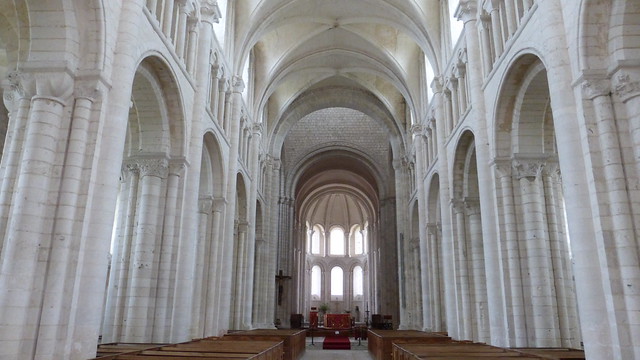
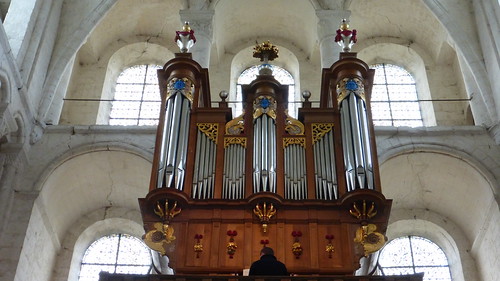
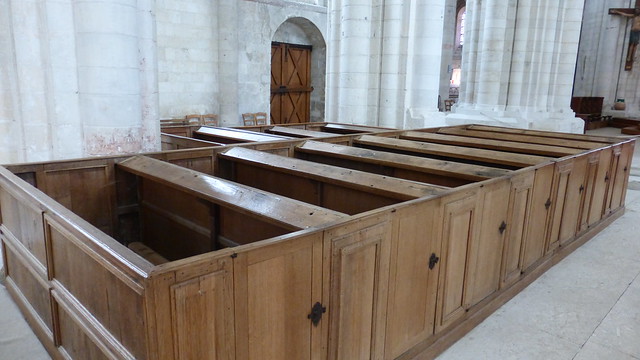

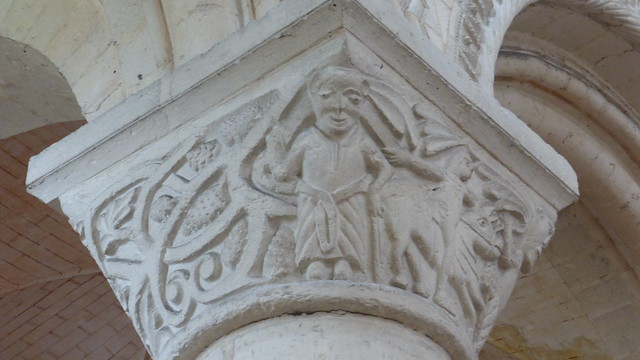
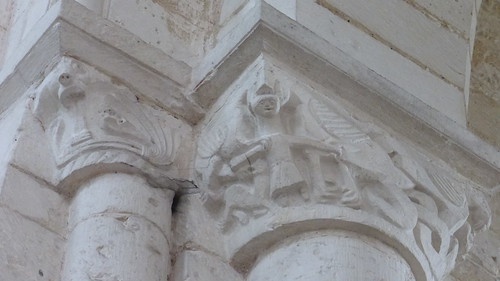
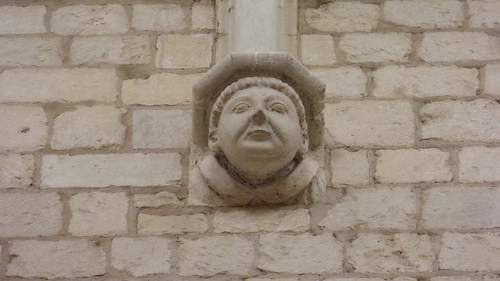
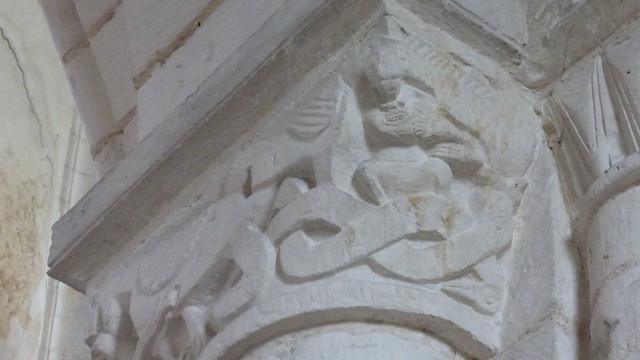 The nave has aisles on either side and many of them are adorned with decorative capitals. I was amazed at how white everything looked. It seems that the interior of the church was actually quite dark due to the walls being covered in paintings and fescoes.
 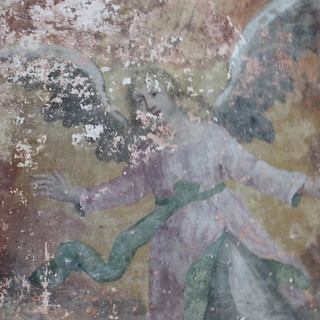 Over the years, these became dull and black and were finally removed during restorations.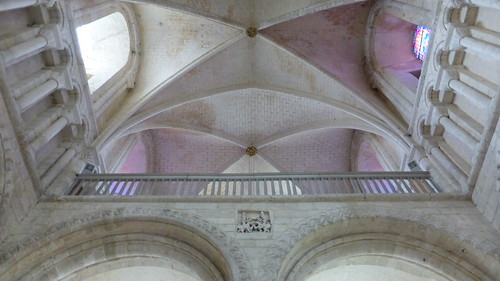
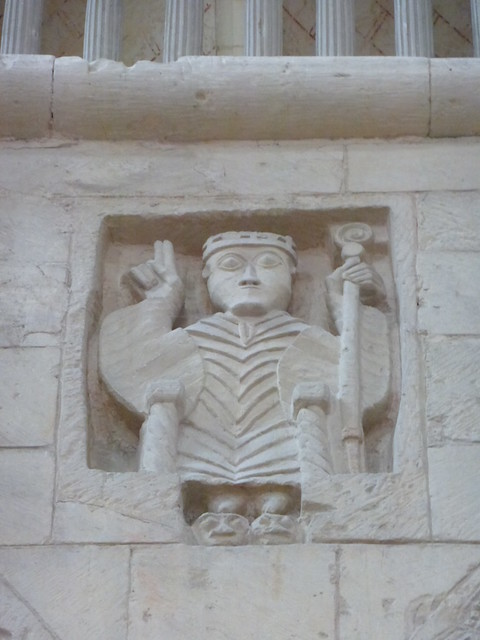
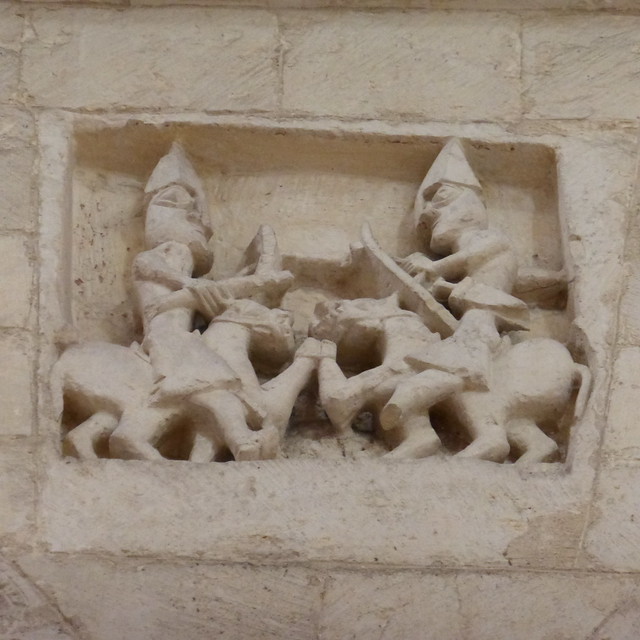 The low-relief sculptures inlaid in the wall beneath the balustrades in the transept illustrate, on the left, a bishop giving his blessing and on the right a group of warriors fighting a battle.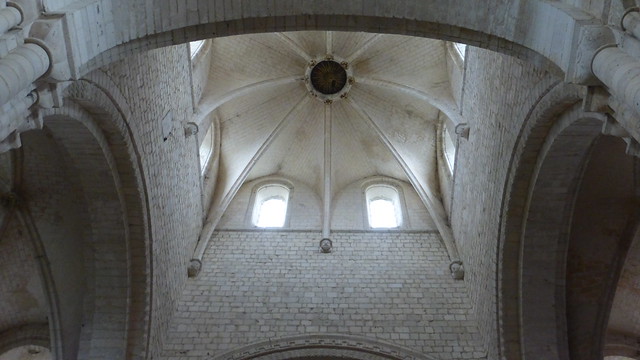
 Perhaps the most impressive part of the church is the lantern tower directly above the main altar. There is a self-guided tour that you can follow if you have the patience to listen to someone who gives WAY too much information about every single detail.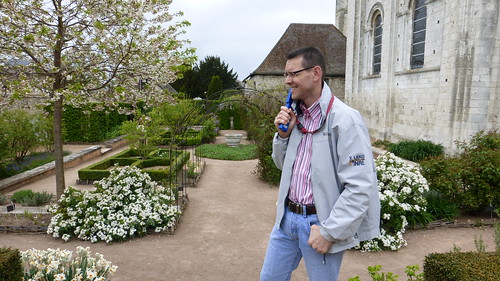
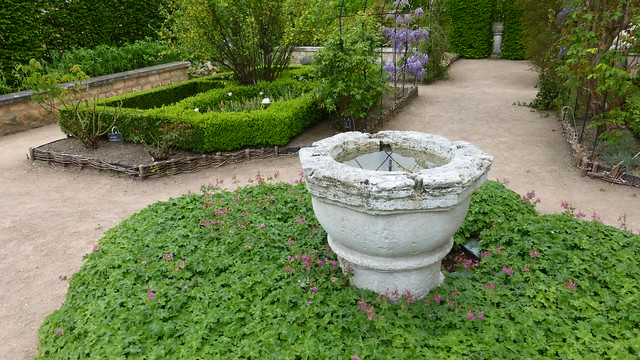 On the south side of the church is the medieval medicinal garden, known as the scented garden which is full of flowering plants of all shapes and sizes.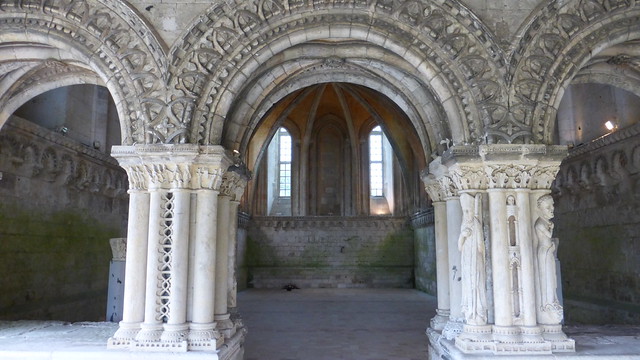
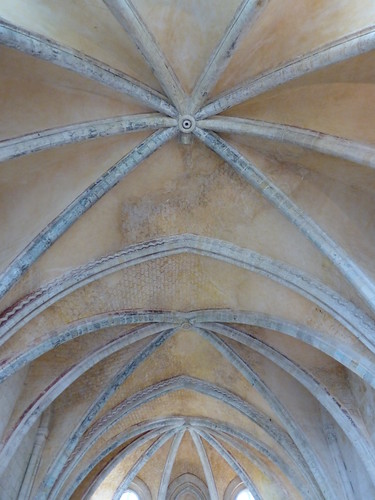

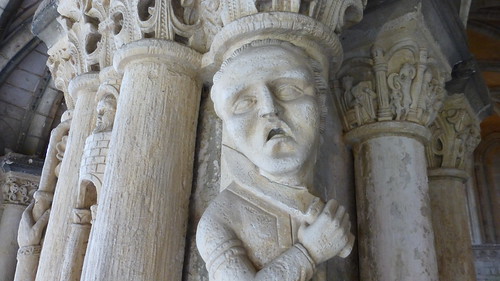

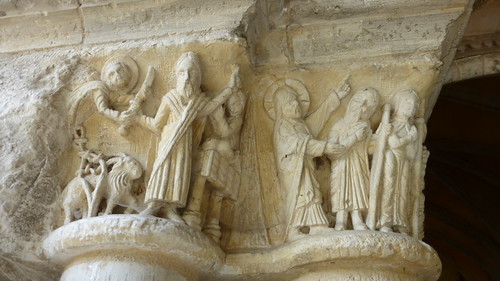
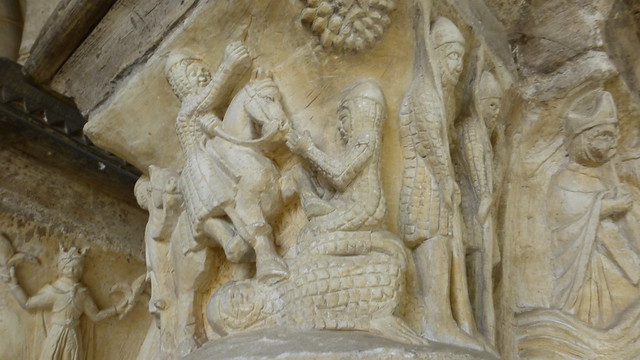 The 12th century chapter house is known for its ornamental columns with decorated capitals which tell a story. Right beside the chapter house is the former cloister.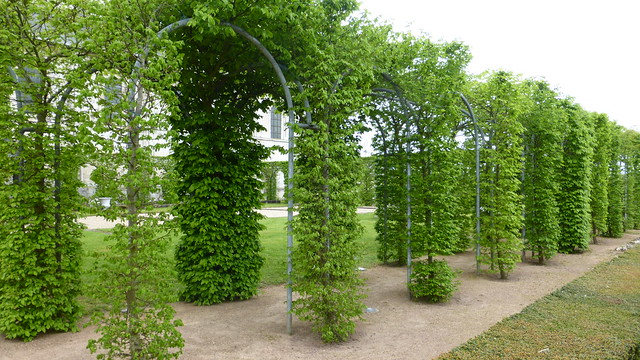
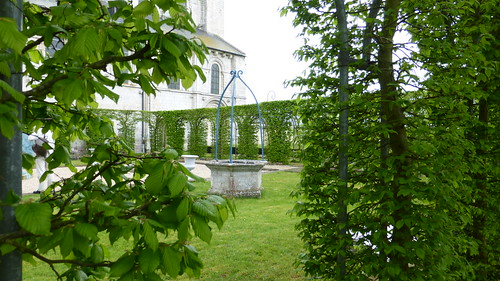
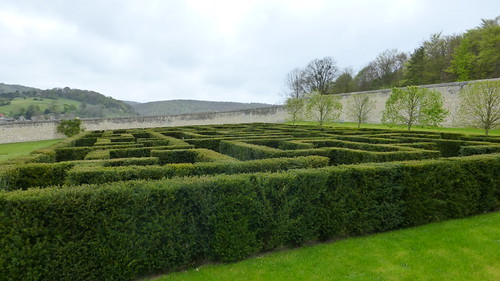
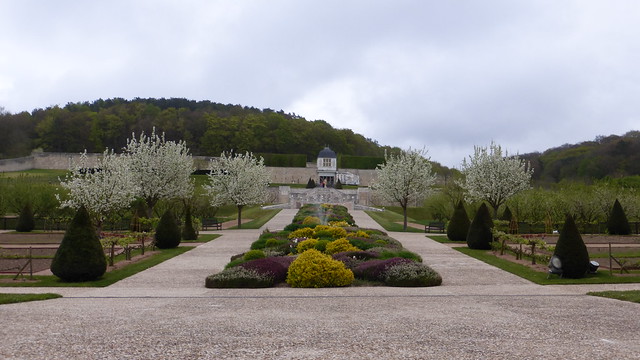
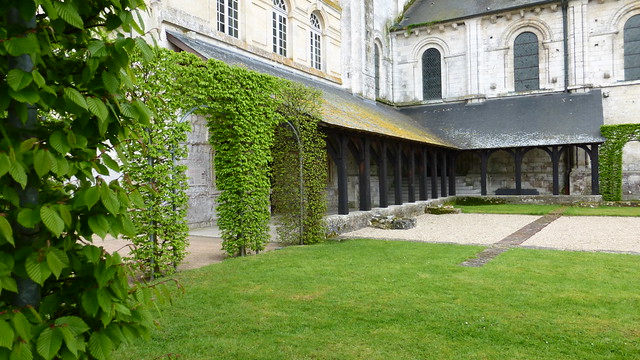 Nothing remains of this older portion of the abbey and a shrub garden has been planted to take its place. This building is one of the outbuildings built by the Maurist Benedictines in 1690. It was restored in 1994 and serves as the souvenir shop, visitors center and exhibition hall. From here, one can see the formal French garden designed in 1680 in the tradition of Le Nôtre.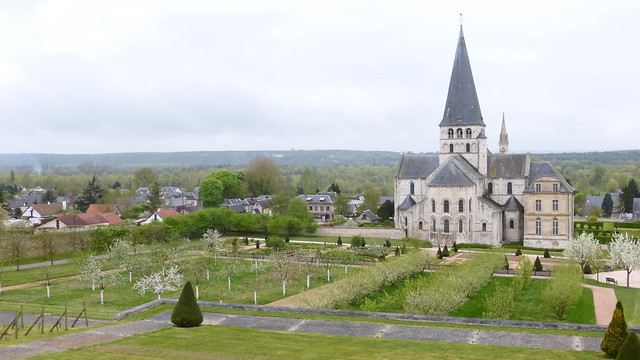
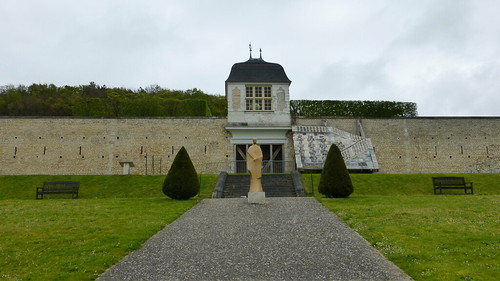 The Pavillion des Vents is a black flint and white stone lodge that crowns the monumental staircase at the back of the garden. It offers some pretty views over the abbey estate. No one knows what this small building was meant for but it quite possibly could have been used to observe the night sky.
 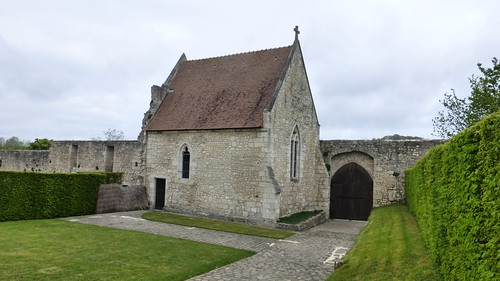 This other building is a small chapel which was converted to a storage barn after the Revolution but has now been restored to its original purpose. It is said that one monk lived here when the Benedictines moved to the abbey because he didn't like the Maurist reforms.


/http%3A%2F%2Ffarm6.staticflickr.com%2F5574%2F14659687412_90848dfd4e_z.jpg)
/http%3A%2F%2Ffarm4.staticflickr.com%2F3746%2F13870990195_5b83c98032_z.jpg)
/http%3A%2F%2Ffarm8.staticflickr.com%2F7230%2F13505463893_85d118613a_z.jpg)
/http%3A%2F%2Ffarm8.staticflickr.com%2F7432%2F13124730613_6c78bb68bc_o.jpg)