
De captivants à banals, les articles et photographies de “The Baguette” sont une tentative de publier un journal de ma vie dans la Manche et de proposer un forum de discussion pour tout ce qui touche à la Normandie.
 This ancient market town owes its name to a Roman town called Lacciacium or Laaceio because it used to be surrounded by lakes. A few remarkable buildings have been restored, revealing some of the splendid red granite facades (especially along rue Dorée). On the edge of the town stands an imposing fortress. The castle, which dominates the village with its eight pepper-pot towers linked by a strong curtain wall, was built in 1458 in place of an older building which had been dismantled in 1417 during the Hundred Years’ War.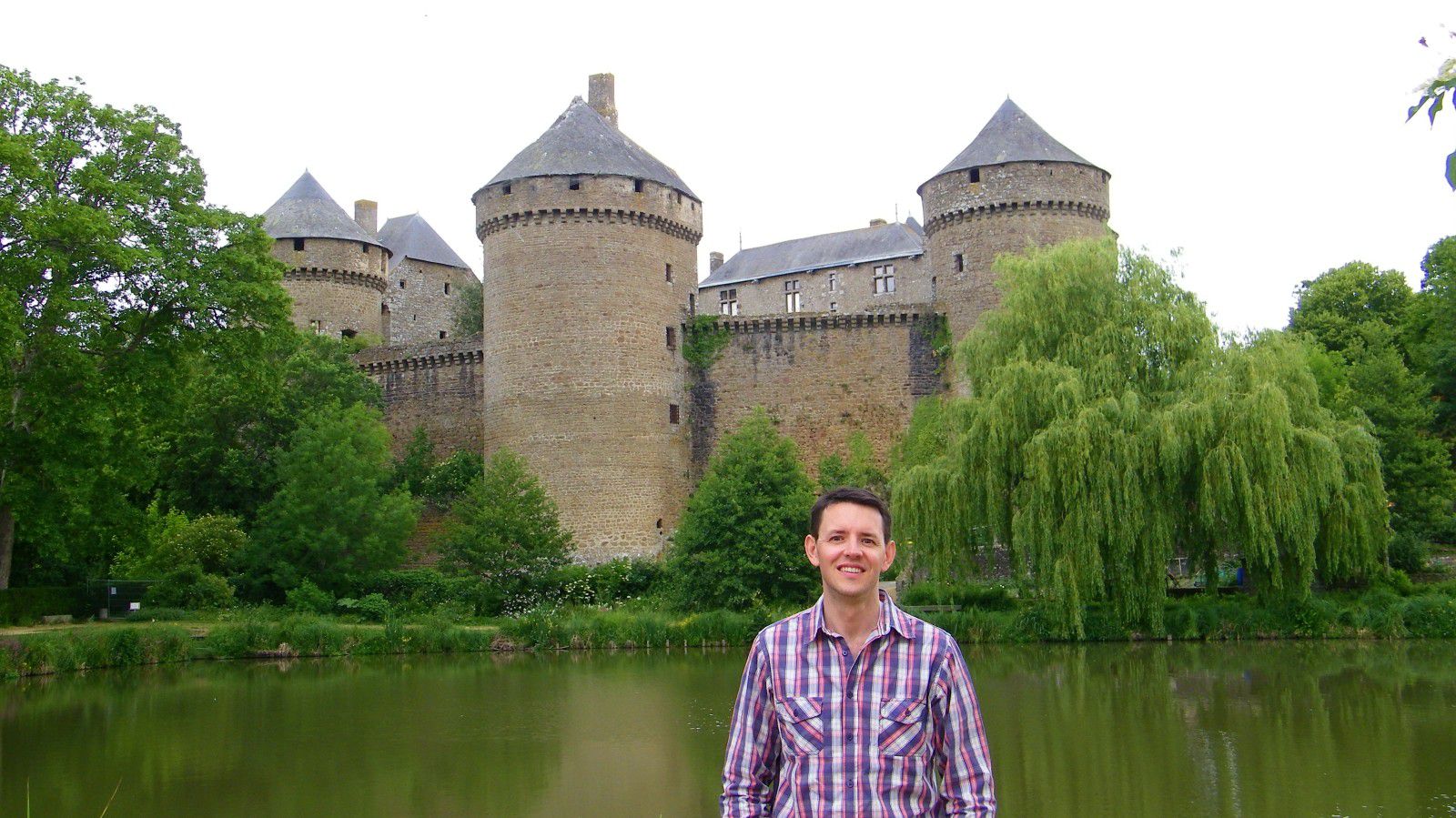
 The castle is a prime example of military architecture under the reign of Charles VII. Its history evokes three famous people – King Henry IV, the writer and poet Victor Hugo and the chemist Lavoisier who was a prisoner in the castle during the Revolution and used a curious “Chinese oven” situated in one of the towers not only to carry out his experiments but also to produce the first porcelain objects made from hard paste.
  The bridge spanning the moat leads to the barbican, a fortified structure defending the entrance to the castle.
 The two towers guarding the drawbridge are linked by living quarters, in which 16th and 17th century weapons and furniture are displayed. Don’t miss the rose garden maintained by the city or the beautiful medieval garden.
  Le Crépuscule Pizzeria along the Grande Rue is where I had lunch. Excellent pizza !
  16 Rue du Château
 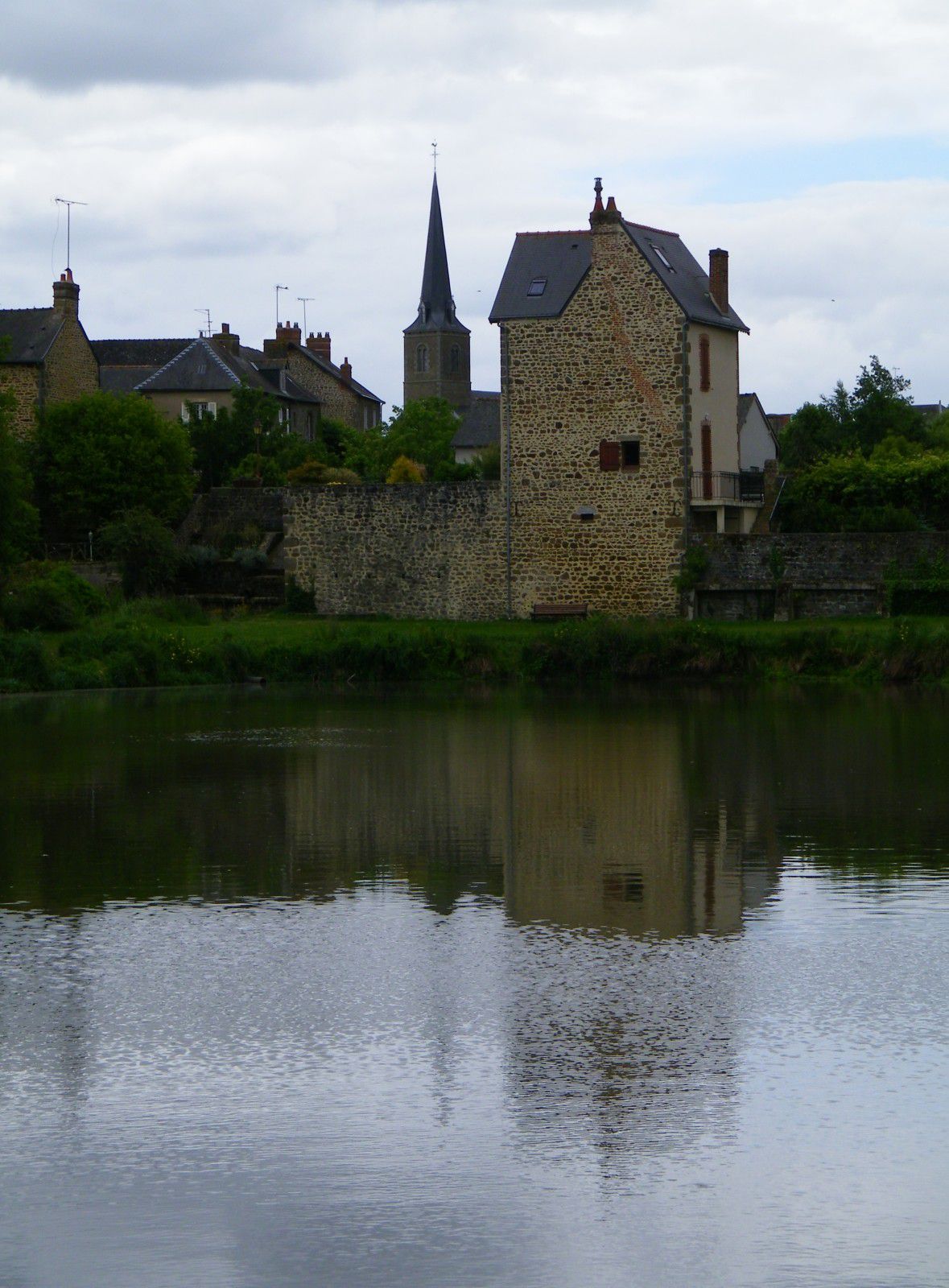 Le moulin et Église de Saint-Fraimbault-de-Lassay
  Le lavoir
 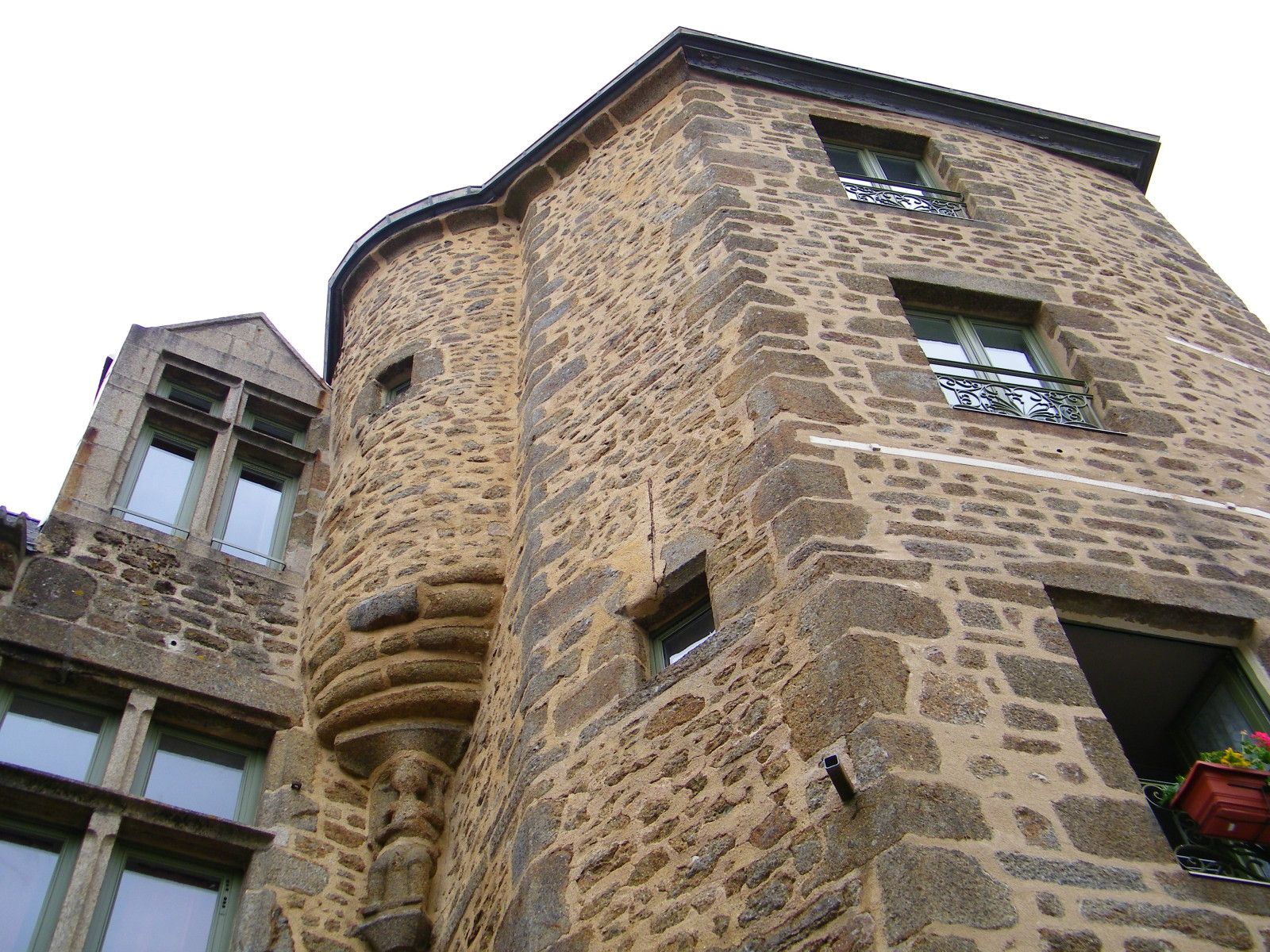 La Tour carrée
 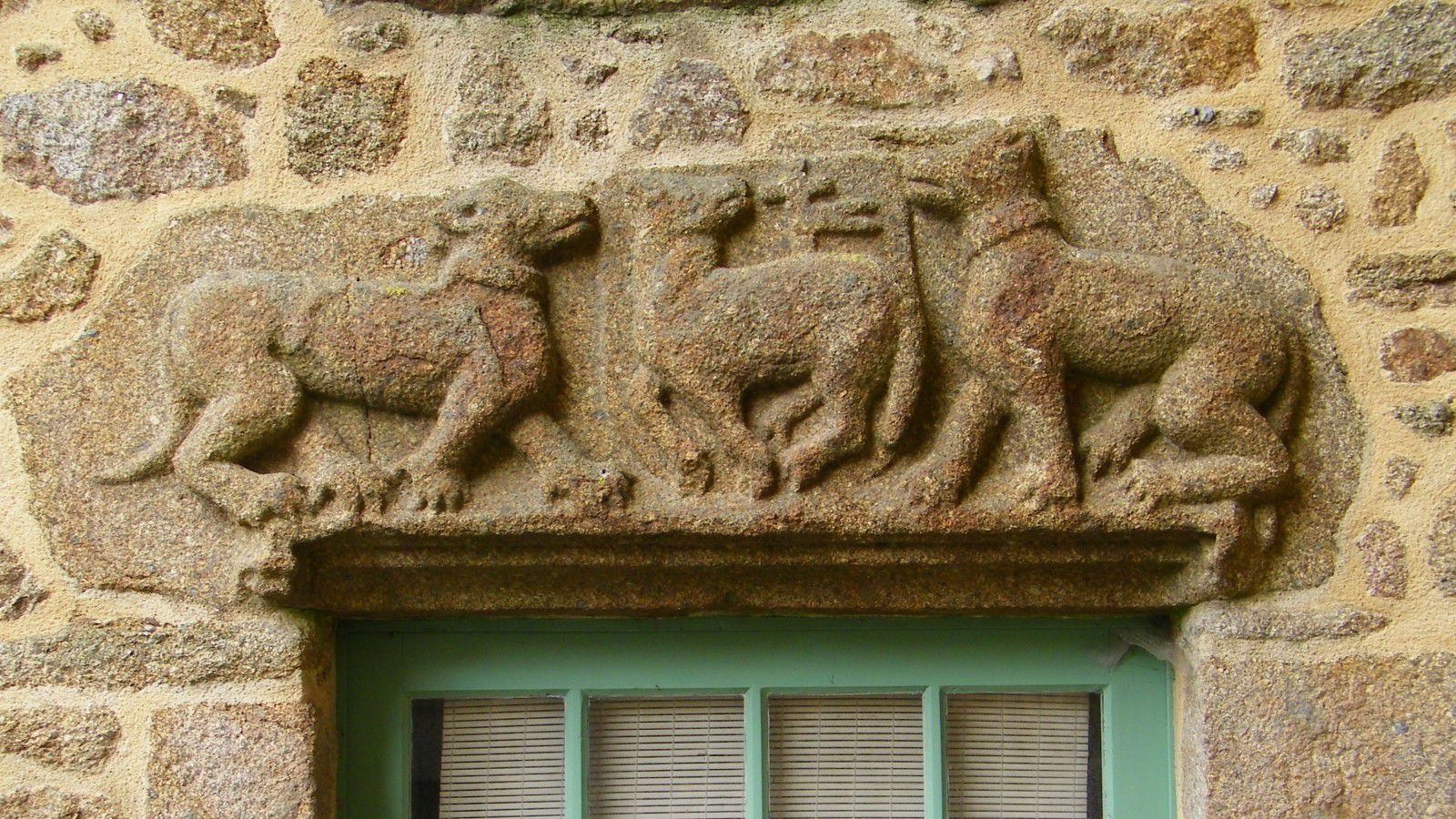 La Tour carrée
  9 Grande Rue
  18 Grande Rue
  Rue Dorée
  Rue Dorée
  Le Pub à Victor Hugo
  Maison du Bailly
 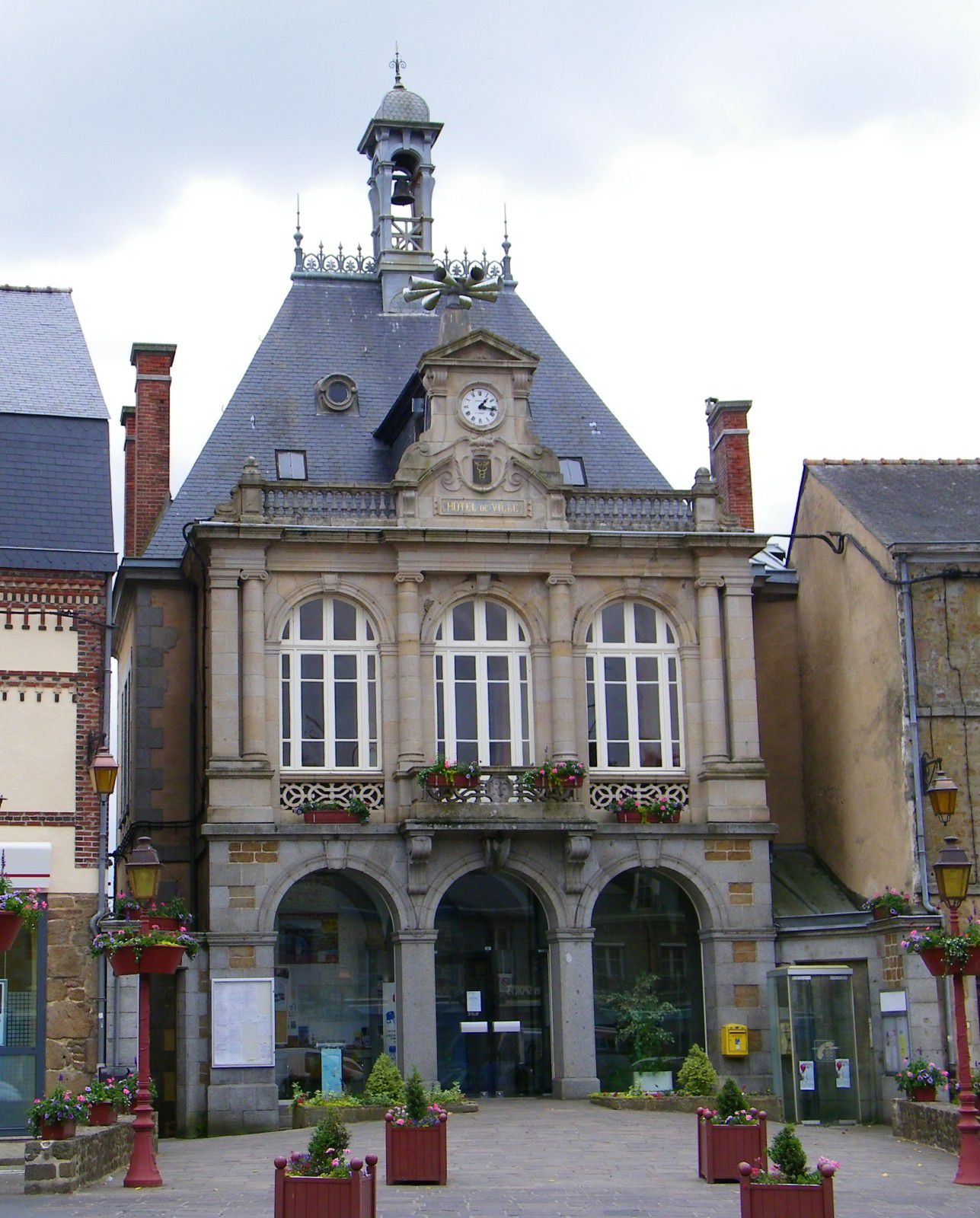 Hôtel de Ville
  Église de Saint-Fraimbault-de-Lassay
  Ancien couvent des bénédictines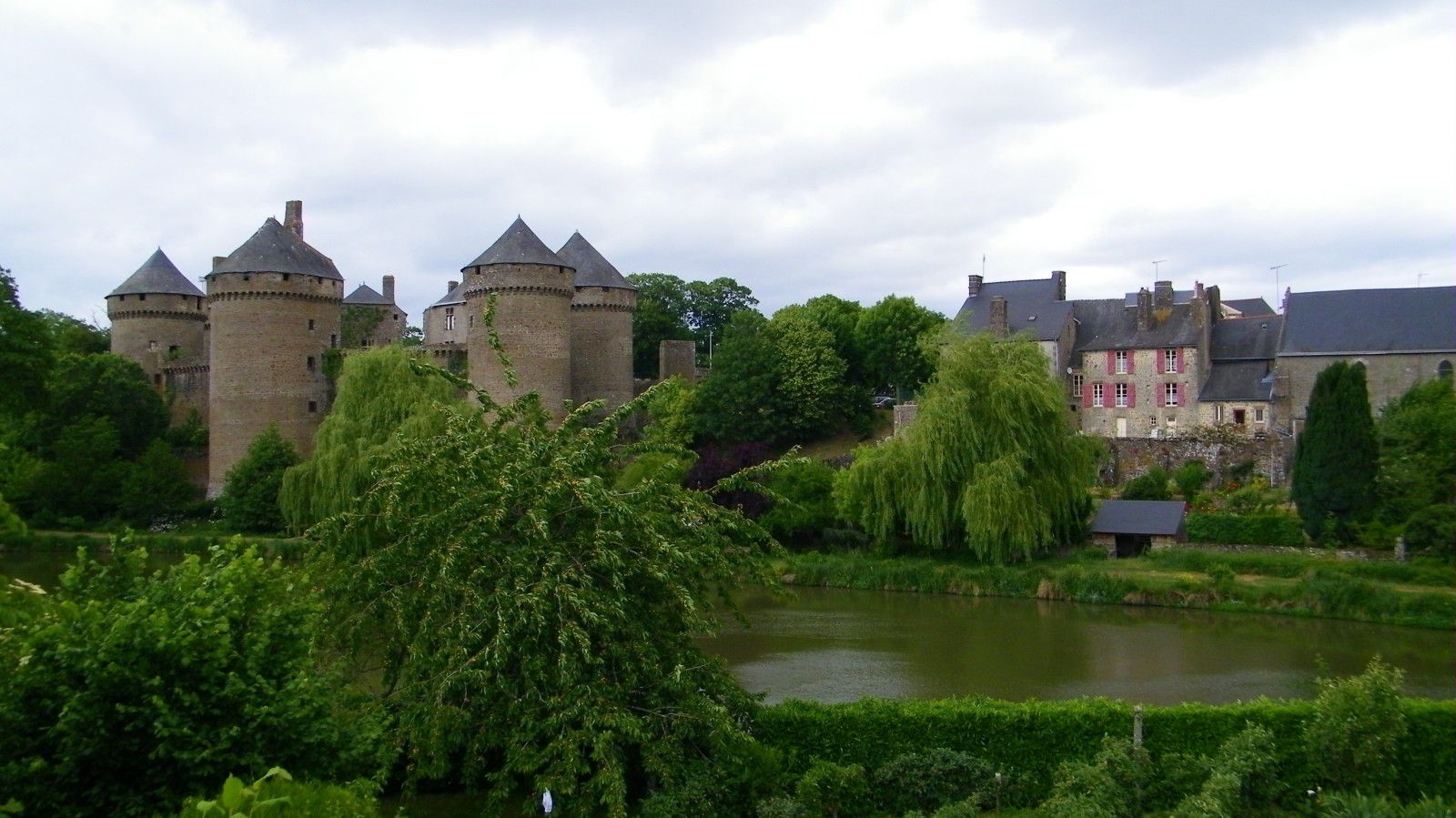
 La roseraie municipale
  La roseraie municipale
  La roseraie municipale
  La roseraie municipale
  Le jardin médiéval
  Le jardin médiéval
  Le jardin médiéval


/http%3A%2F%2Ffarm6.staticflickr.com%2F5579%2F14502905999_0c41a11062_z.jpg)
/http%3A%2F%2Ffarm4.staticflickr.com%2F3837%2F14687100974_1f29ecd1c4_z.jpg)
/http%3A%2F%2Ffarm4.staticflickr.com%2F3894%2F14473353040_0e0ae9fc82_z.jpg)
/http%3A%2F%2Ffarm8.staticflickr.com%2F7207%2F14015976344_5eb65701a9_z.jpg)