
De captivants à banals, les articles et photographies de “The Baguette” sont une tentative de publier un journal de ma vie dans la Manche et de proposer un forum de discussion pour tout ce qui touche à la Normandie.
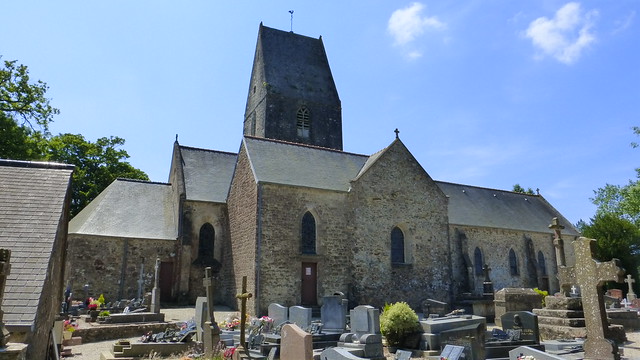
After doing the hike around Ruffosses I drove to the Église Saint-Grégoire just outside of Sauxemesnil to eat my lunch. It’s amazing how often you come across something so interesting and want to know more but can’t find the information anywhere. Such is the case with this particular church. 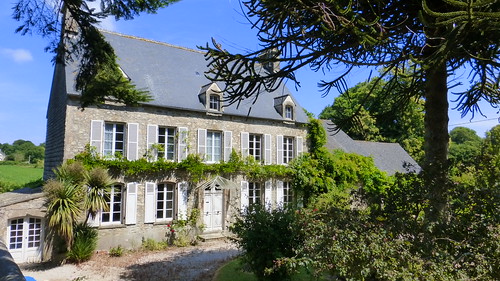
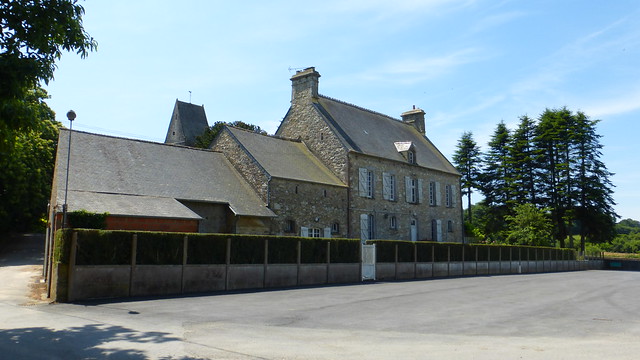 Just in front of the church is a large house that looks as if it could be an old manor house or possibly the church presbytery. I couldn’t find any information anywhere. I guess we’ll never know for sure of its exact purpose but it is quite a lovely building and although it seems uninhabited, it is in a relatively good state of repair. The church of Saint Gregory is dedicated to Pope Gregory I and was built after the Battle of Hastings in the Romanesque style. Over the course of time it has maintained its Latin cross shape, its triumphal arch, capitals and decorated corbels. It was rebuilt and enlarged during the 14th and 15th centuries and during the 18th century a sacristy was added. Unfortunately, there was a lot of damage to the church during the war—all of which has been restored.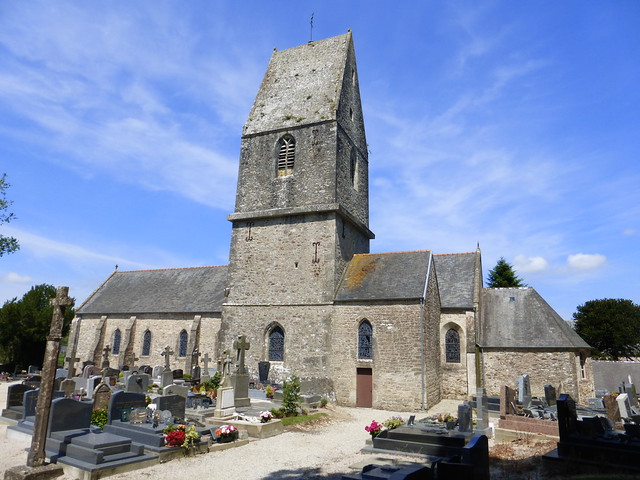
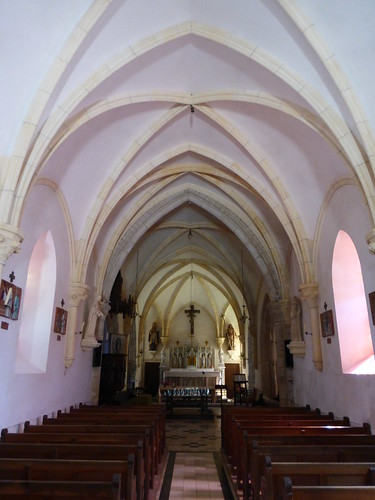
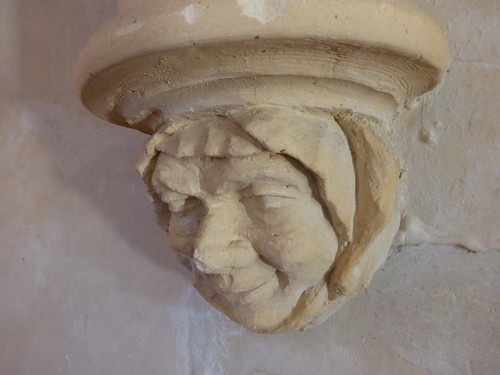
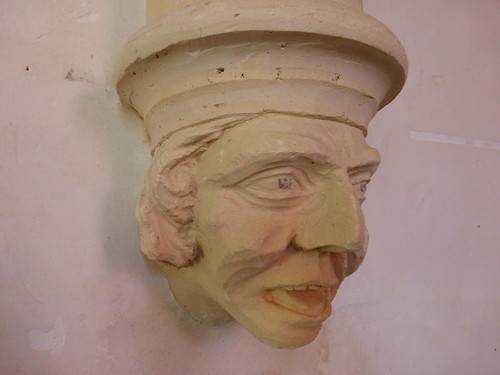 The interior consists of a nave of five bays and a choir of three bays with vaulted arches resting on columns decorated with bases representing different faces.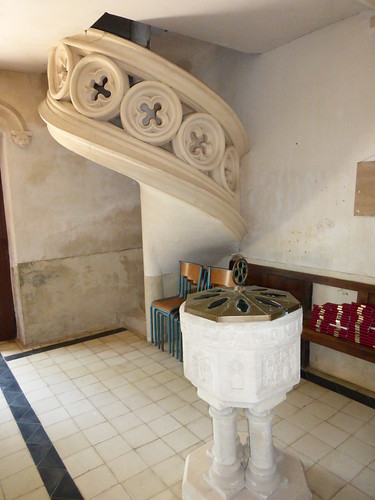
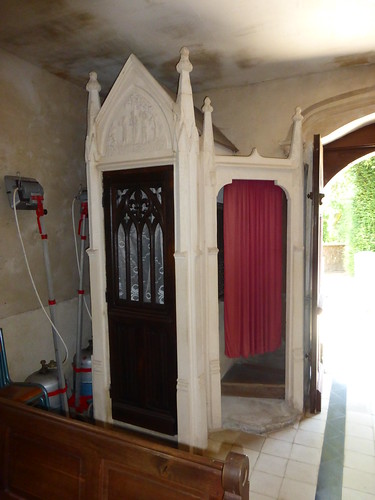 The choir loft, the stairs and the confessional appear to be very old but are in fact made of plaster.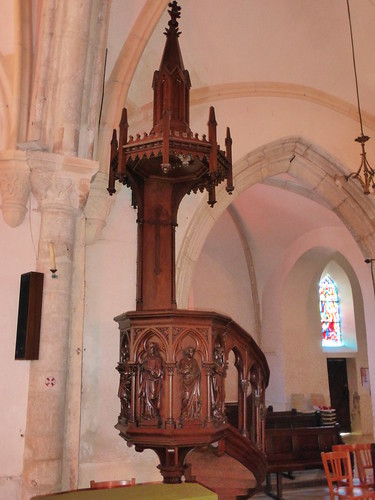
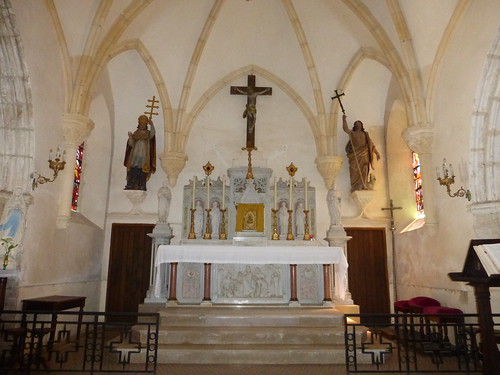 However, there are some very old pieces of unique liturgical furniture inside the church including a carved pulpit and lectern. Other pieces include several statues which are classified as historical monuments:
 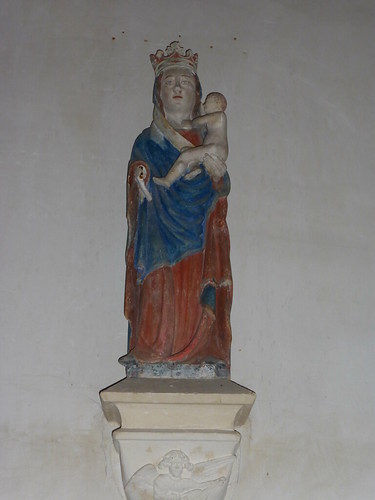 The Madonna and Child from the 16th century.
 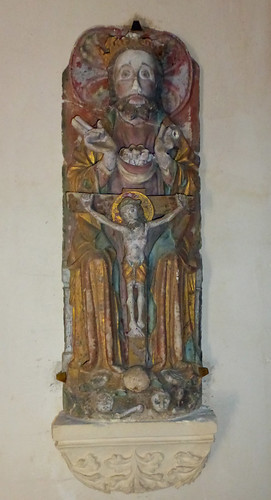 A representation of the Trinity from the 15th century.
 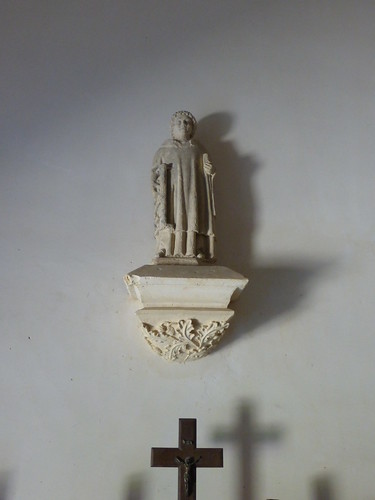 A small statue of Saint-Laurent from the 17th century.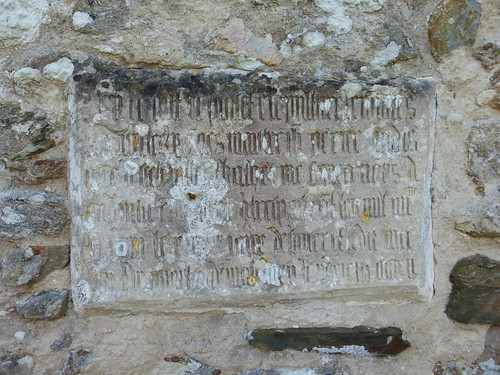
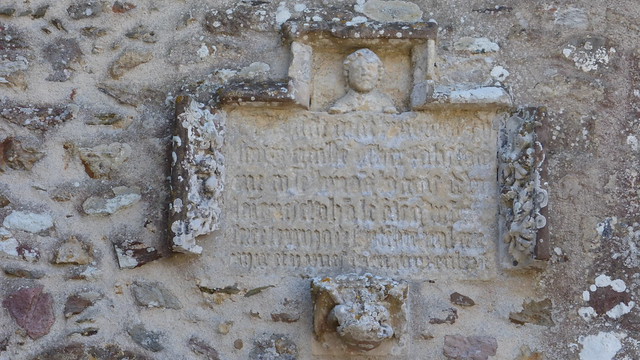 Along an exterior wall are several old funeral plaques that are very difficult to read.
 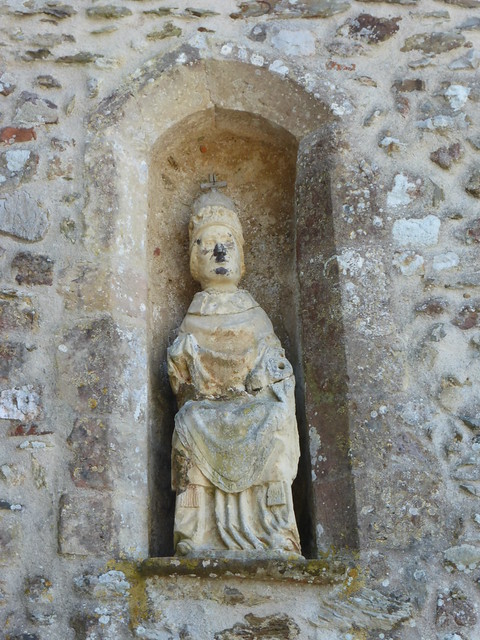 In a niche outside the church is a 15th century limestone statue of Saint-Gregory.
 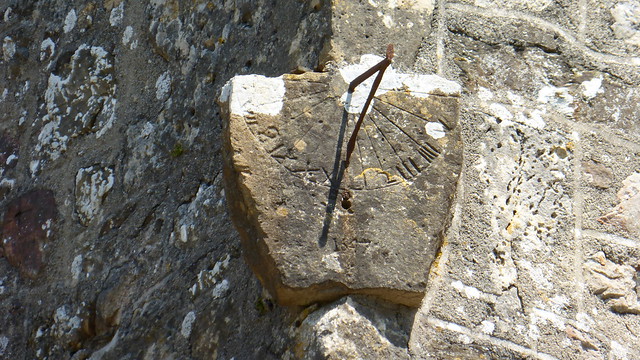 On the other side of the church is the typical Normandy bell tower adorned with an old sundial.
 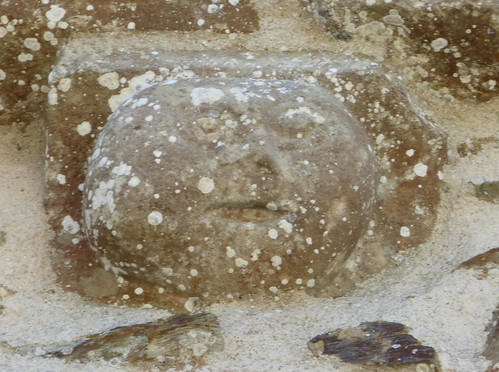 Under the eaves of the roof are many corbels with grotesque faces.


/http%3A%2F%2Ffarm3.staticflickr.com%2F2931%2F14660046885_d99b0e7a4a_z.jpg)
/http%3A%2F%2Ffarm6.staticflickr.com%2F5496%2F14473453518_46a41559d7_z.jpg)
/http%3A%2F%2Ffarm6.staticflickr.com%2F5596%2F14454991820_86f0600546_z.jpg)
/http%3A%2F%2Ffarm3.staticflickr.com%2F2936%2F14531896025_3c7235fdb9_z.jpg)