
De captivants à banals, les articles et photographies de “The Baguette” sont une tentative de publier un journal de ma vie dans la Manche et de proposer un forum de discussion pour tout ce qui touche à la Normandie.
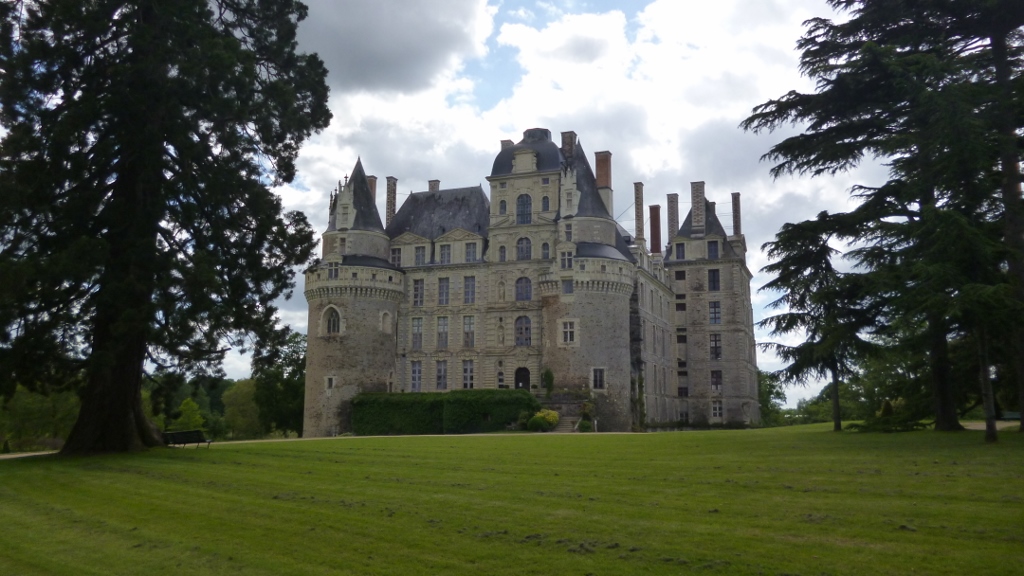 The Château de Brissac is located in a fine park shaded by magnificent cedar trees. The building is unusual both because it is exceptionally tall (the tallest château in France, they claim), and because it comprises two juxtaposed buildings one of which was intended to replace the other, rather than stand next to it.
 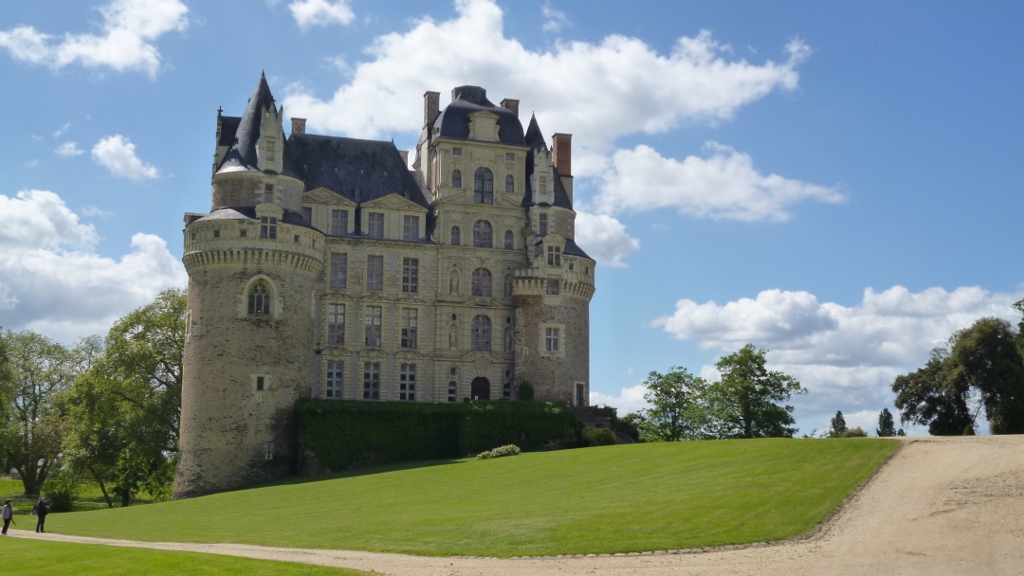 Built around 1455 by Pierre de Brézé, Minister to Charles VII and then to Louis XI, the chateau was bought by René de Cossé in 1502 and has remained in the family ever since. René’s grandson, Charles de Cossé, Count of Brissac, was one of the leaders of the League, the Catholic party which supported the Guises in the 16th century. In 1594, as Governor of Paris, he handed the keys of the city to Henry IV who had arrived newly to Roman Catholicism at the city gates. In gratitude the king raised him to the status of duke. The new duke began to rebuild his house but work was brought to a halt by his death in 1621 and the chateau has been left unaltered ever since.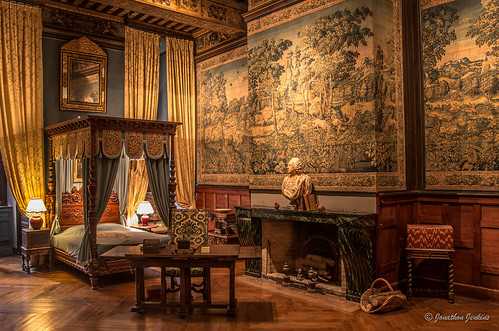
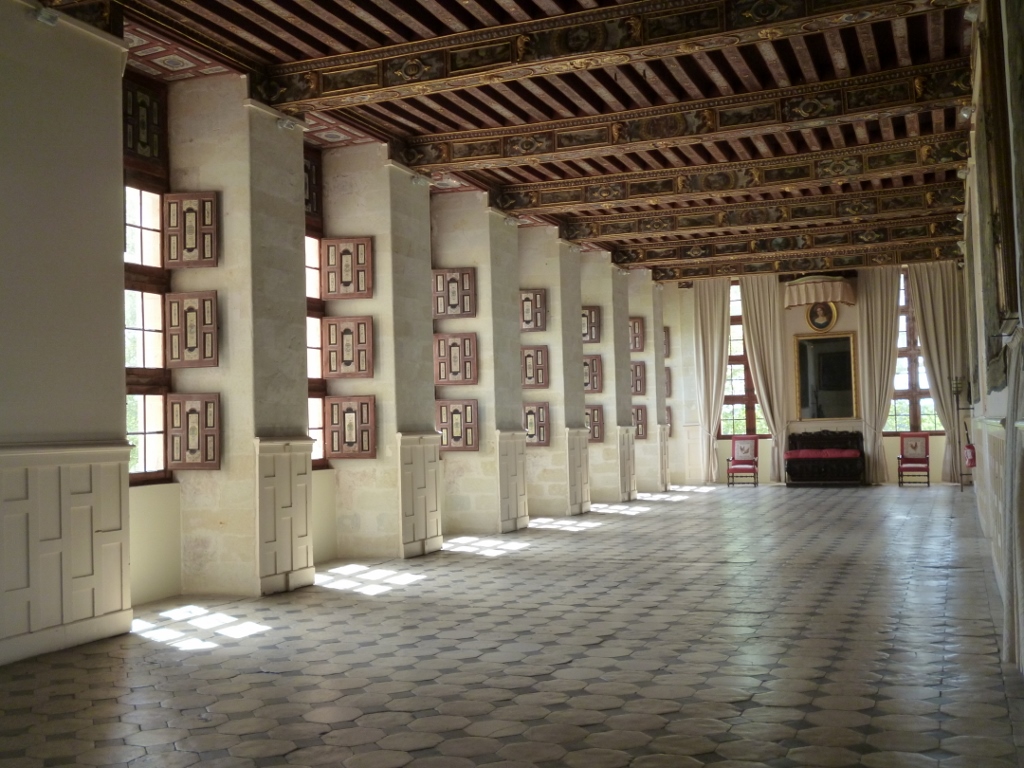
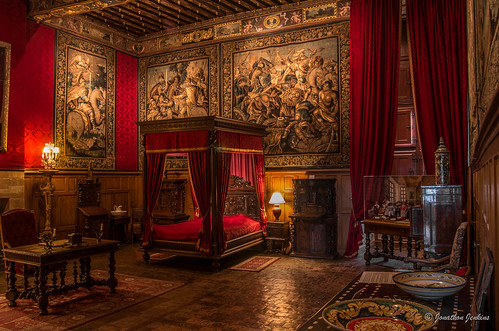 It was by far the most impressive chateau that I visited during my time in the Loire. Inside, the ceilings are still adorned with superb tapestries.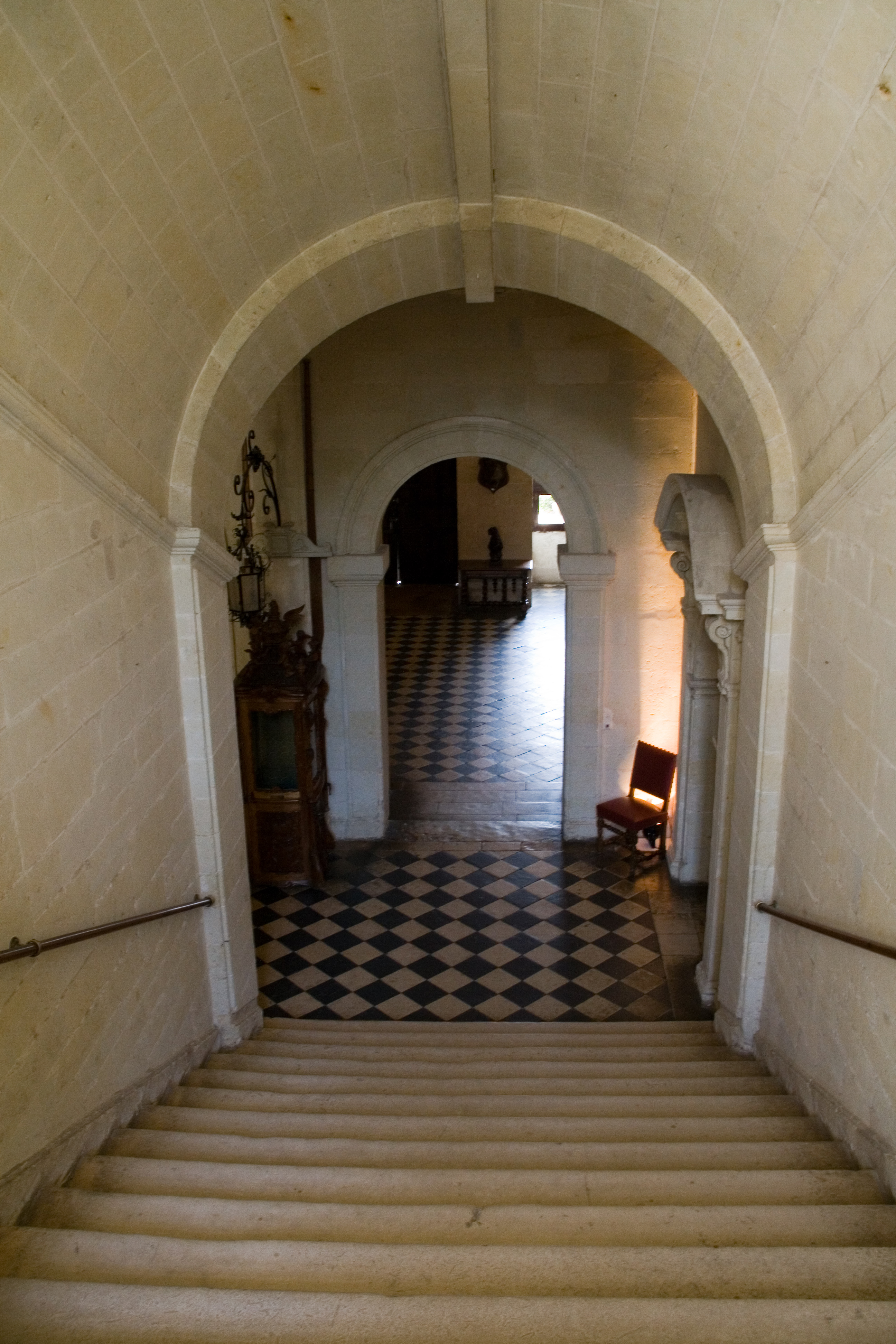
 The Louis XIII staircase leads to the guardroom on the first floor as well as the bedchamber where Louis XIII and his mother, Marie de Medici, were at least temporarily reconciled after the Battle of Les Ponts-de-Clé in 1620.
 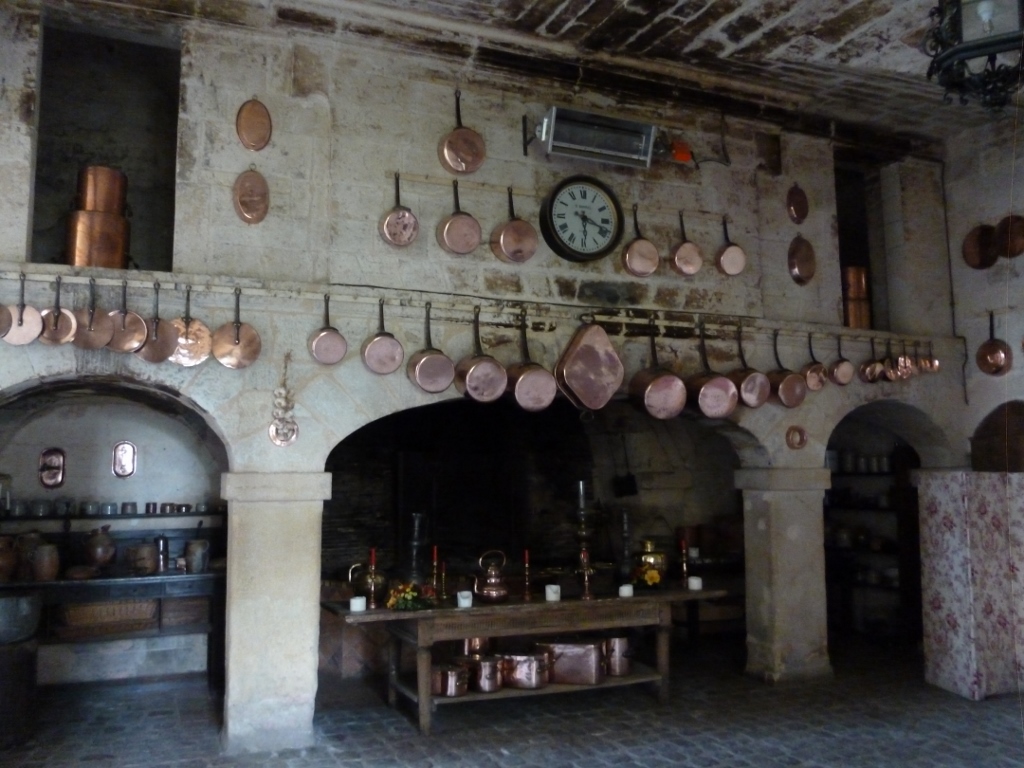 There are a number of interesting rooms underneath the château including the old kitchen and endless corridors that wind themselves around the foundations like rabbit warrens.
 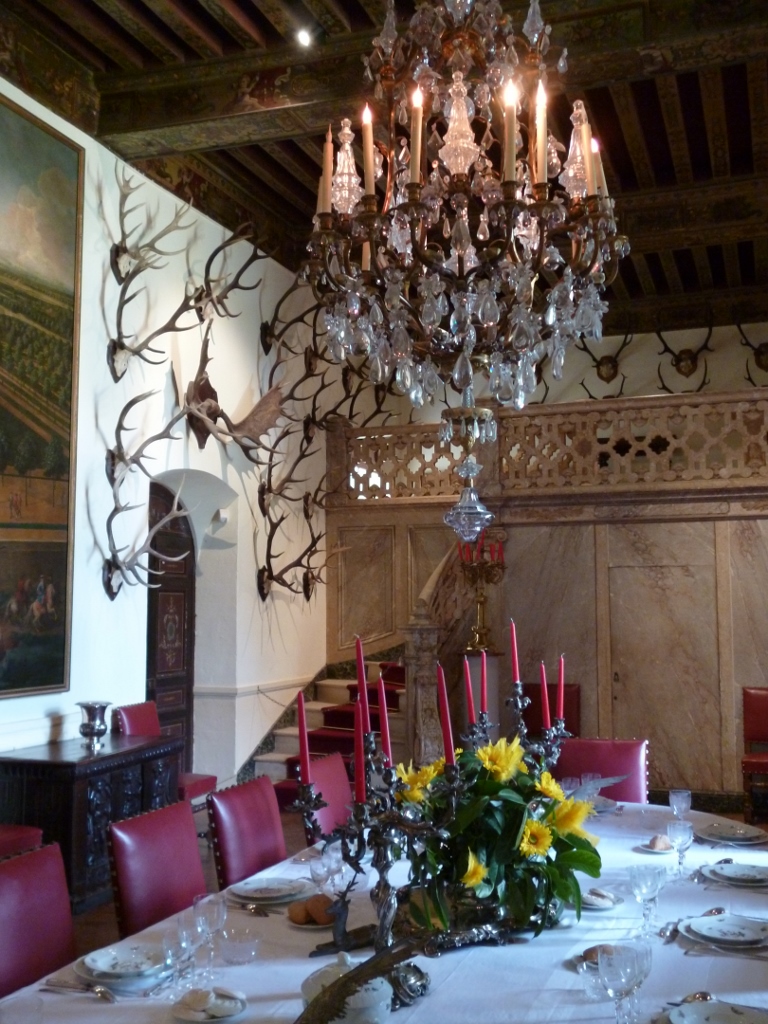 In the Golden Drawing Room, many family souvenirs are on display. It was the first room that we visited and certainly the most elegant. The top floor is the highlight of the visit to the château. It reveals indeed the most remarkable room: the theatre !
 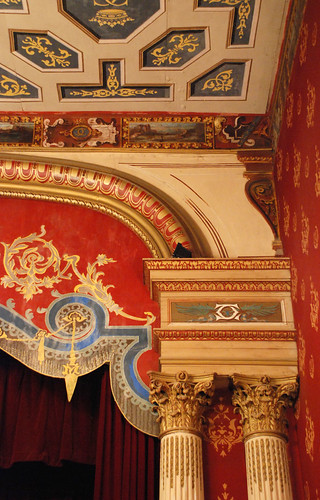 It was built at the initiative of the Marquise de Brissac, born Jeanne Say, who undertook the restoration of the château in the late nineteenth century.
 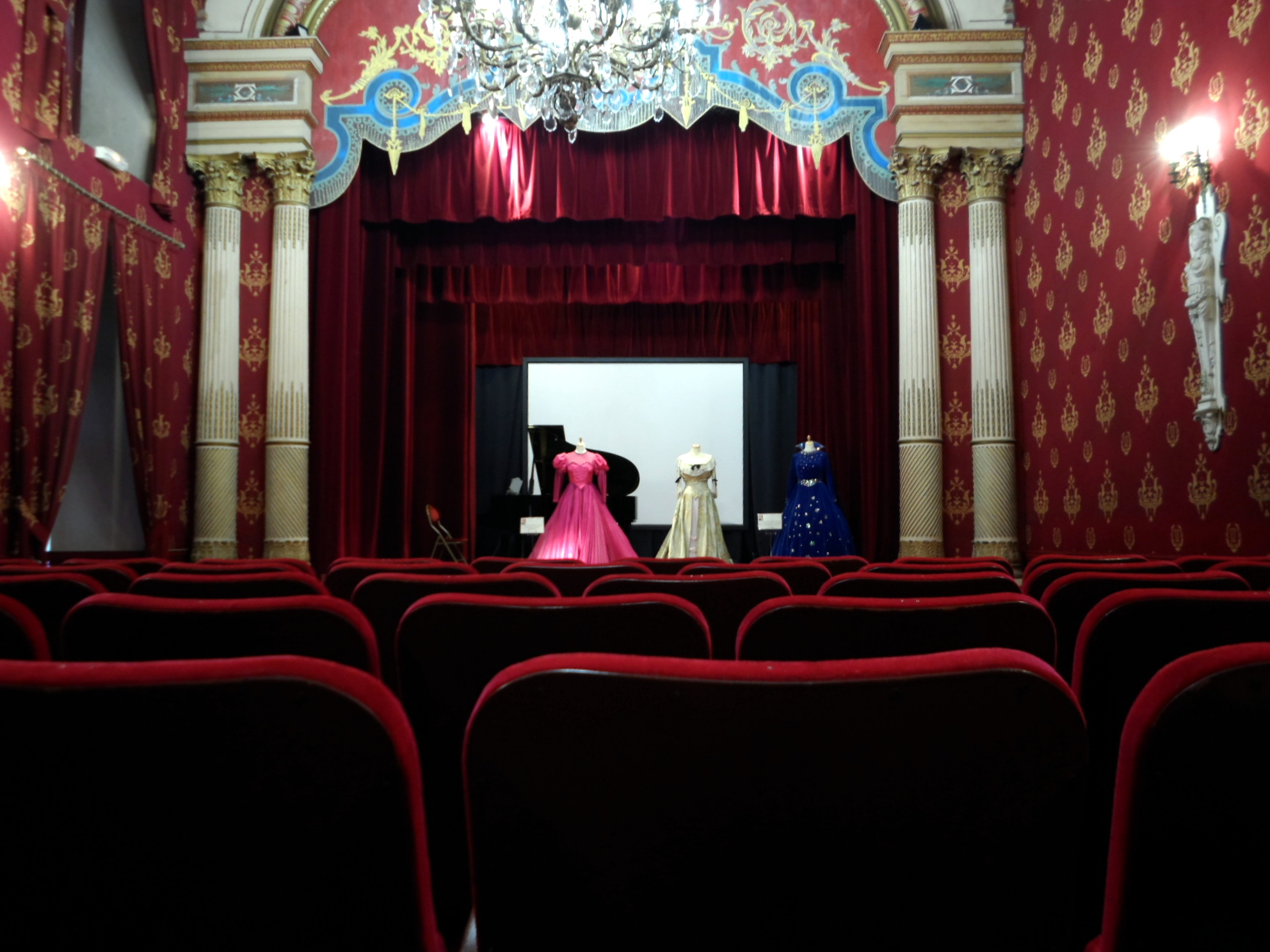 Passionate opera and herself a talented performer, she built her own theater in a Belle Epoque style. I was amazed by the gilt and red draperies that decorate this room.
 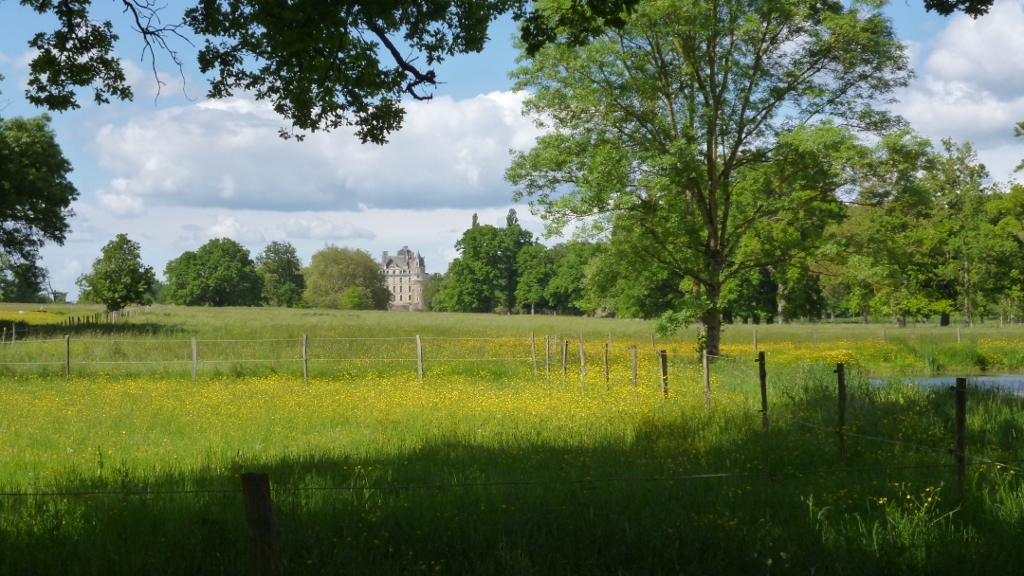 The park and gardens equally offer agreeable walks under imposing century old trees, following flowered paths winding along the riverbanks of the Aubance.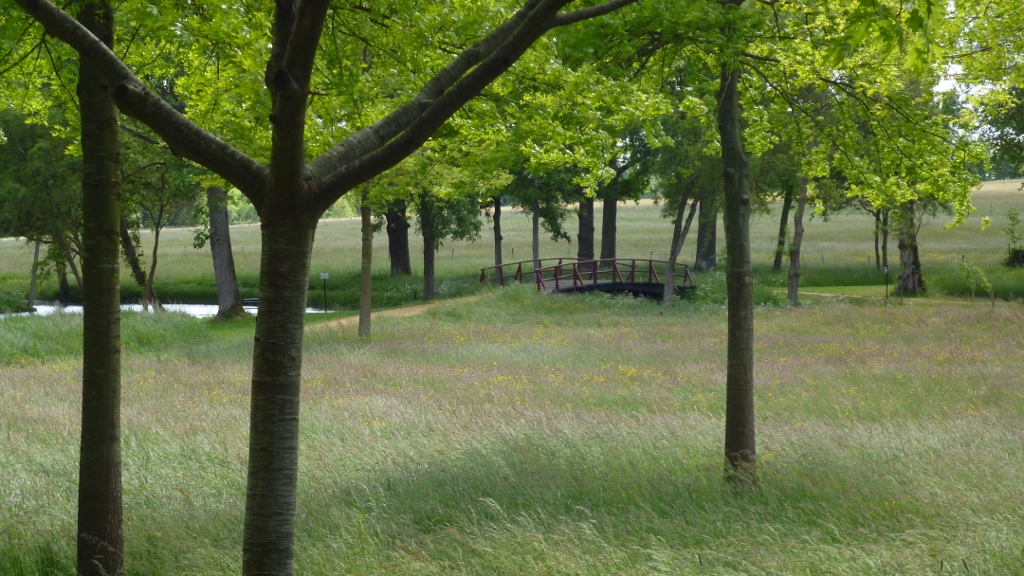
 These walks evoke names such as Pierre de Ronsard, the gardener's cottage, the Mausolée and the five century vineyard.
 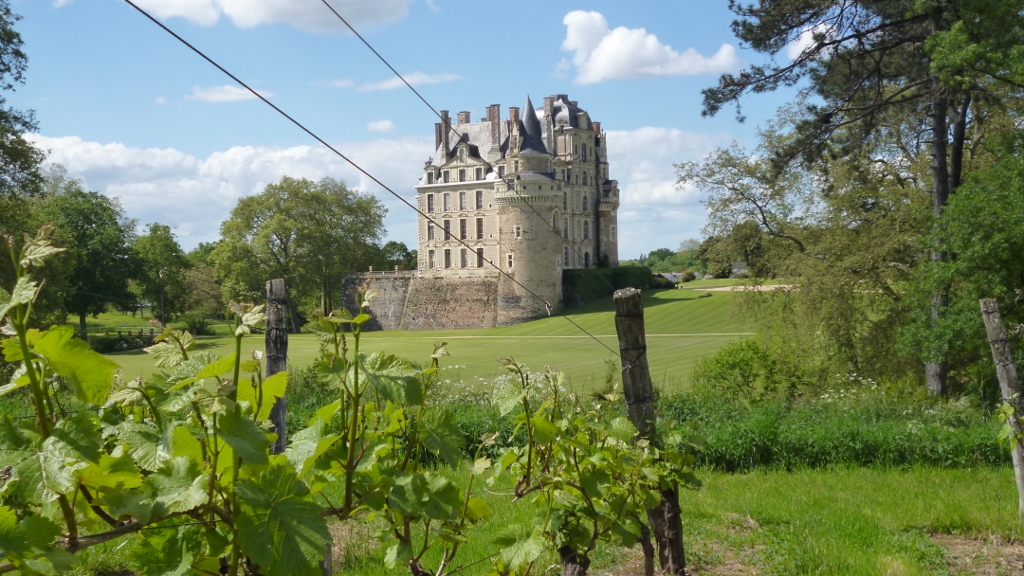 The vineyards yield 1,500 bottles of some of the worst tasting wine you will ever encounter. I’m not sure what the owners were thinking trying to sell this stuff to tourists but it certainly wasn’t a good idea.
 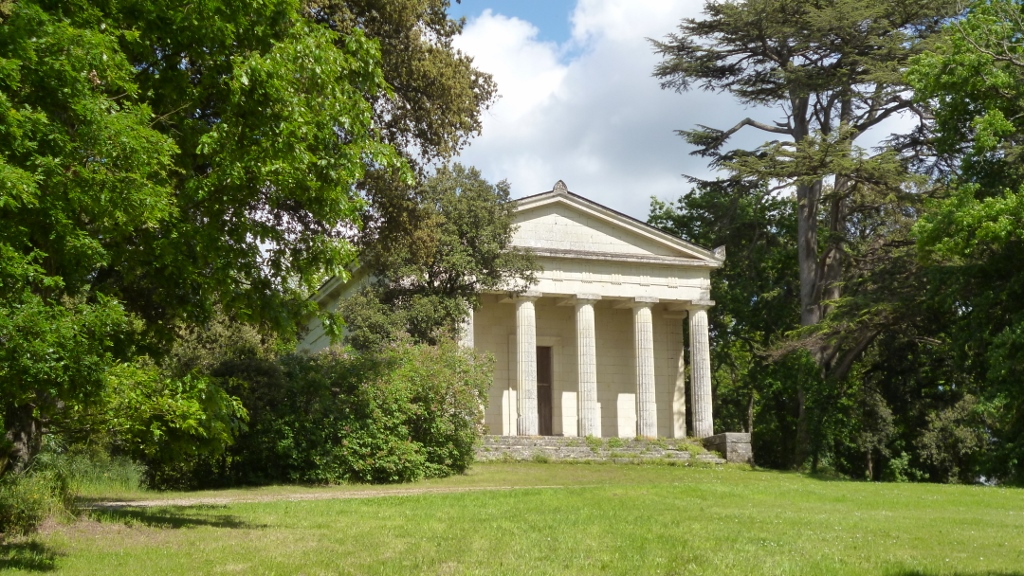 Another interesting part of the walk through the park is the family mausoleum built in the early nineteenth century in the neo-classical style.


/http%3A%2F%2Ffarm3.staticflickr.com%2F2922%2F14679955883_19ebe03a53_z.jpg)
/http%3A%2F%2Ffarm6.staticflickr.com%2F5518%2F14455224977_5981185dd7_z.jpg)
/http%3A%2F%2Ffarm8.staticflickr.com%2F7208%2F14035504773_1ed4430ed9_z.jpg)
/http%3A%2F%2Ffarm8.staticflickr.com%2F7300%2F14012320672_1dabb28ee7_z.jpg)