
De captivants à banals, les articles et photographies de “The Baguette” sont une tentative de publier un journal de ma vie dans la Manche et de proposer un forum de discussion pour tout ce qui touche à la Normandie.
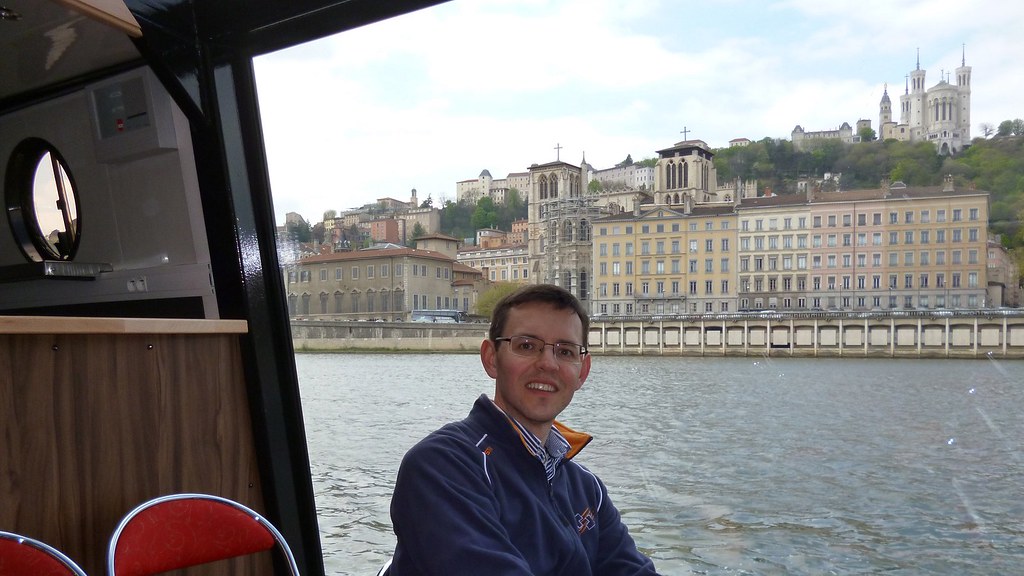 Purchasing a City Pass allowed us to have unlimited access to all forms of city transportation, granted us entry into nearly all of the museums, join any guided tour sponsored by the tourist office and even allowed us to take a boat cruise along the Saône.
 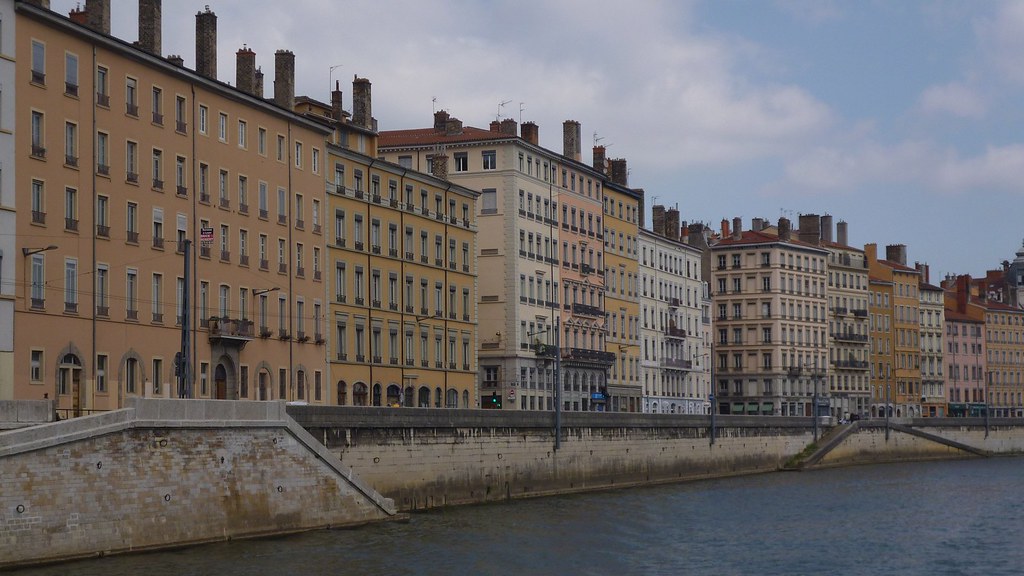 Our guide told us all about the old buildings that we could see from the ship, including the new home of the École Nationale des Beaux-Arts along the quay St-Vincent within the walls of an 18th century convent.
 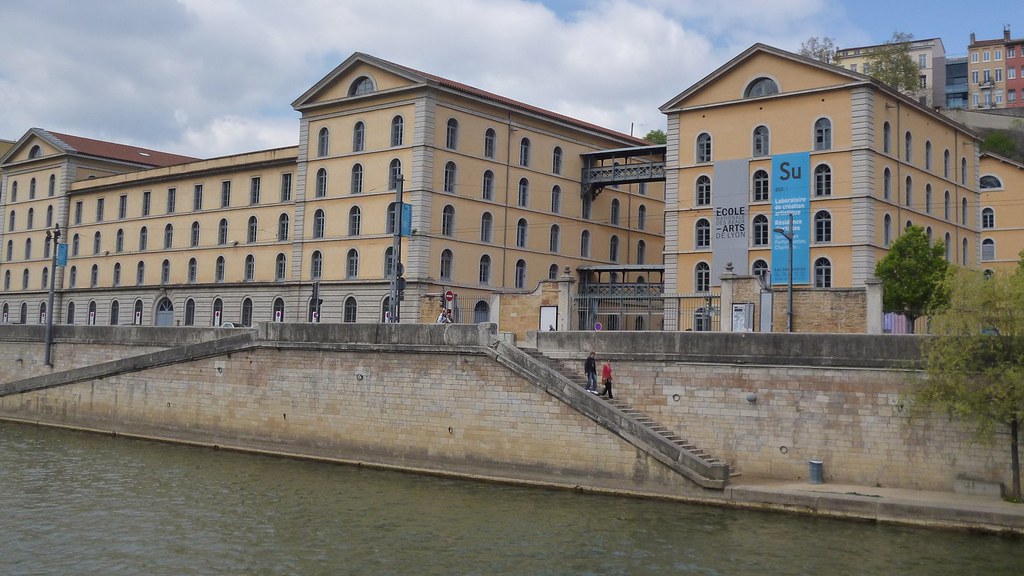 Confiscated during the French Revolution, it became a granary and eventually a factory for the French military where food rations were packaged.
  Further along the river is the Grenier d'abondance built between 1722 and 1728 as a storage area for corn and other grains. Eventually it became a military barracks and arsenal for the Gendarmerie nationale until 1987.
 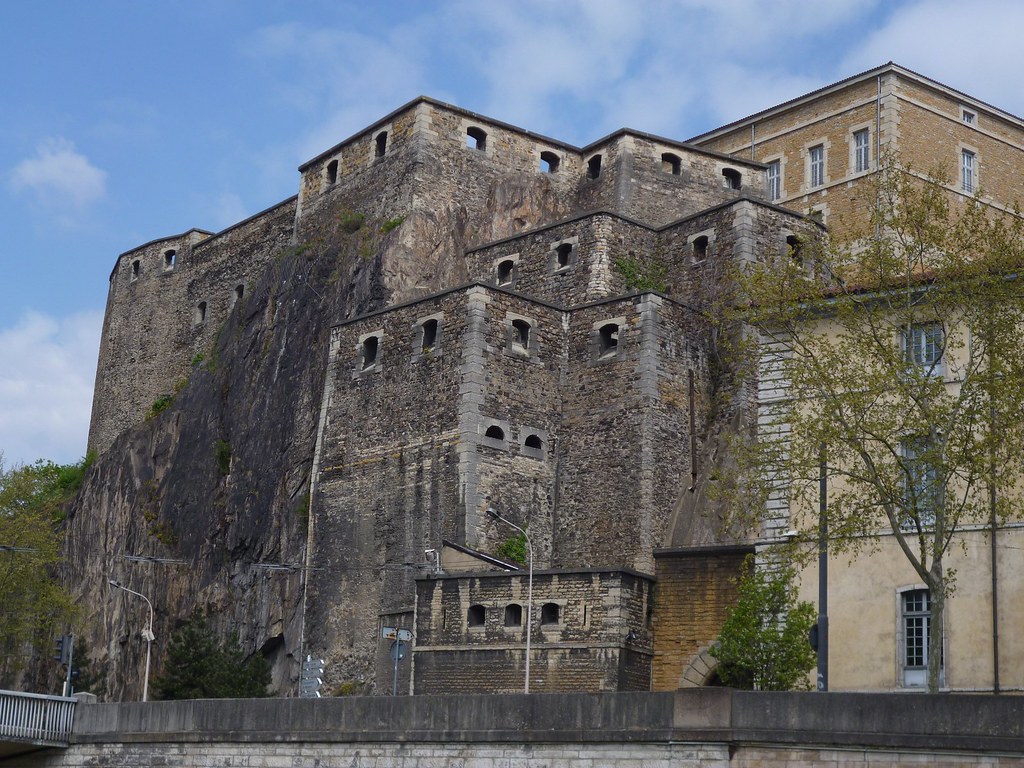 The Fort of Saint-John is located right beside the Grenier d’abondance and was originally built as a stronghold against the walls of the Croix-Rousse district in the early 16th century to protect the inhabitants from the Swiss. It was finally completed in the early 18th century but converted into a regional pharmacy for the Army Health Service in 1932. In 1984 the Army Veterinary Service occupied it. Since its renovation in 2001, it has been the home to the École nationale des Contrôleurs du Trésor Public.
 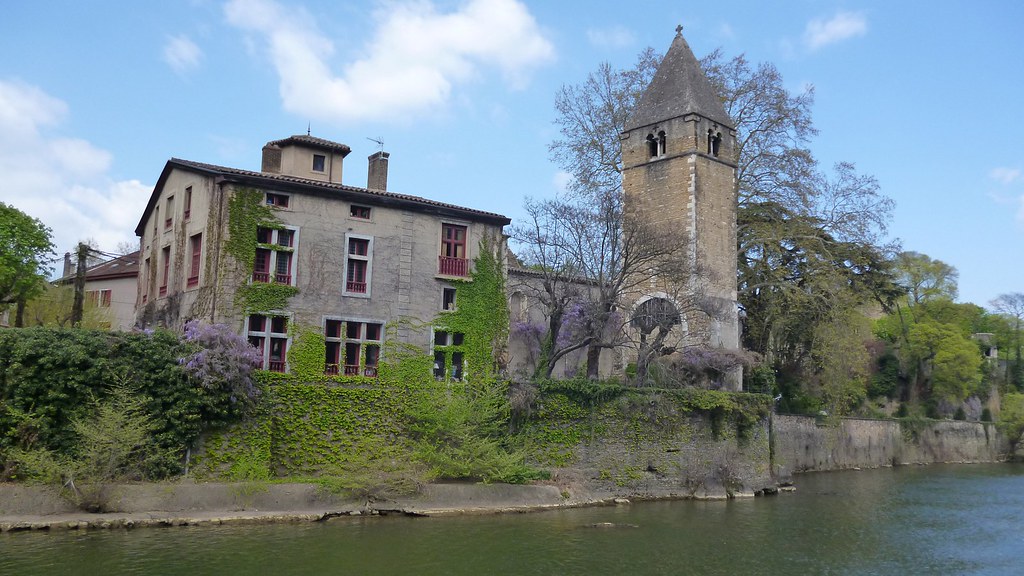 The boat turned around once it reached l'île Barbe, an island in the middle of the river. An abbey was founded on this island in the 5th century and was the first monastic establishment in Lyon and one of the oldest in Gaul. Charlemagne endowed it with a fine library. Sadly, it was plundered several times in 676, 725 and 945. In the 9th century it adopted the rule of Saint-Benedict and gradually gained power before being devastated and burnt down in 1562 by Protestant troops. Today, only the ruins of the Romanesque church of Notre-Dame remain. Private residences populate the rest of the island.
 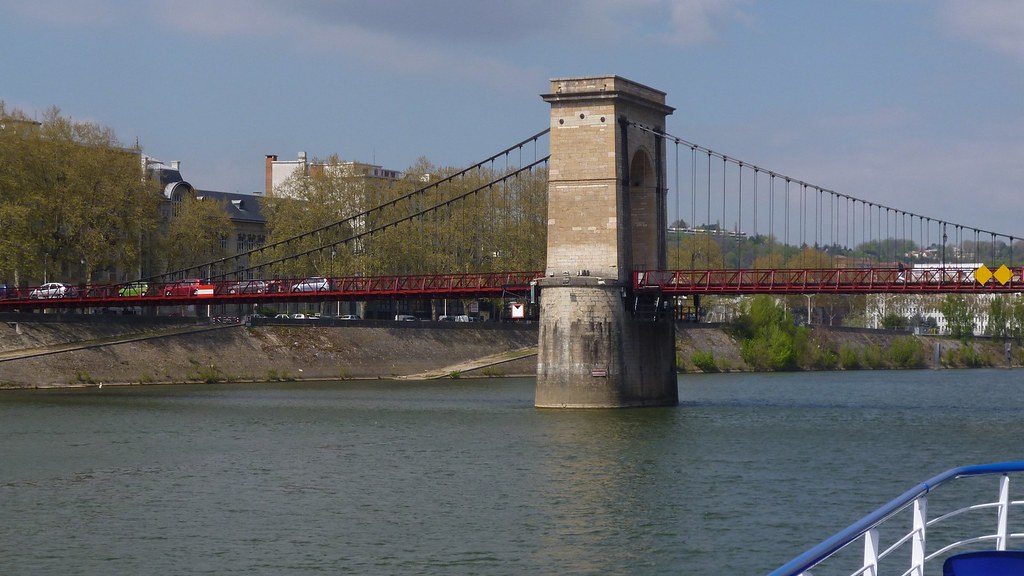 It has a public park accessible by crossing one of the oldest suspension bridges in Lyon built in 1827. After our wonderful boat ride, we went to the Musée des Automates. The museum is devoted to the art of automatons with seven rooms and over 20 animated scenes for visitors to enjoy.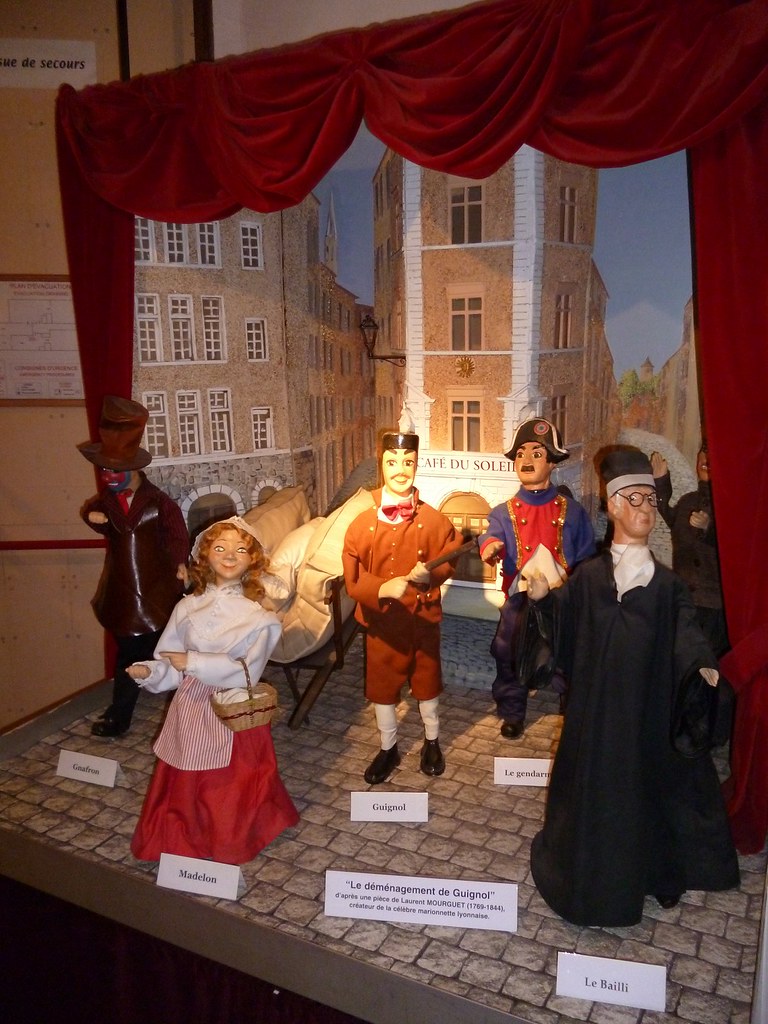
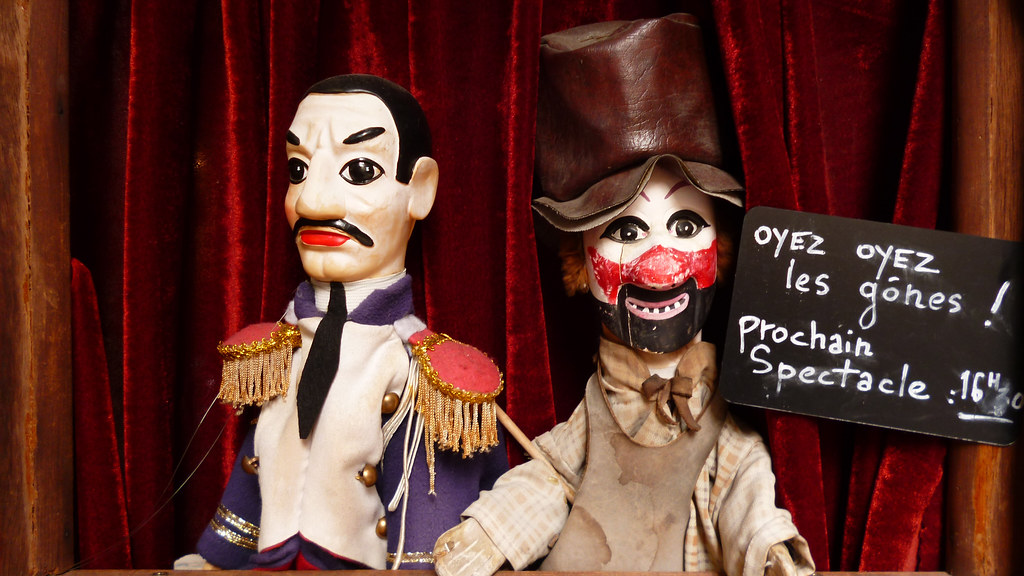 One of the first scenes pays homage to Laurent Mourguet, the creator of Lyon’s famous puppet, Guignol. His friend Gnafron, his wife Madelon and the policeman are common characters in a Guignol puppet show.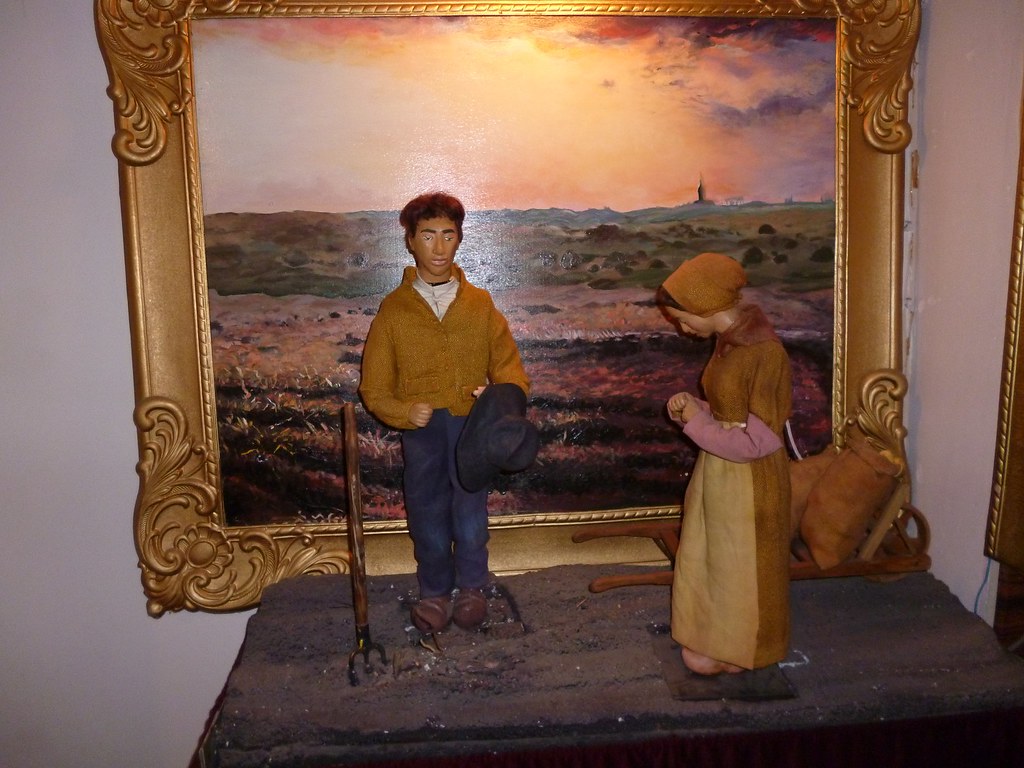
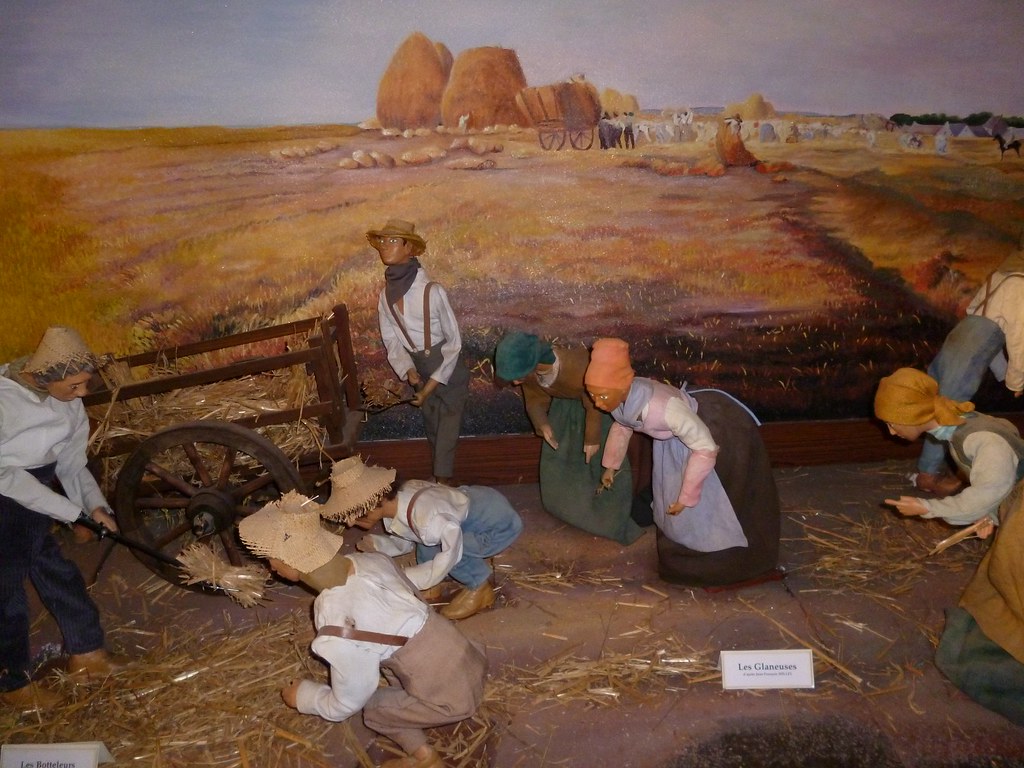
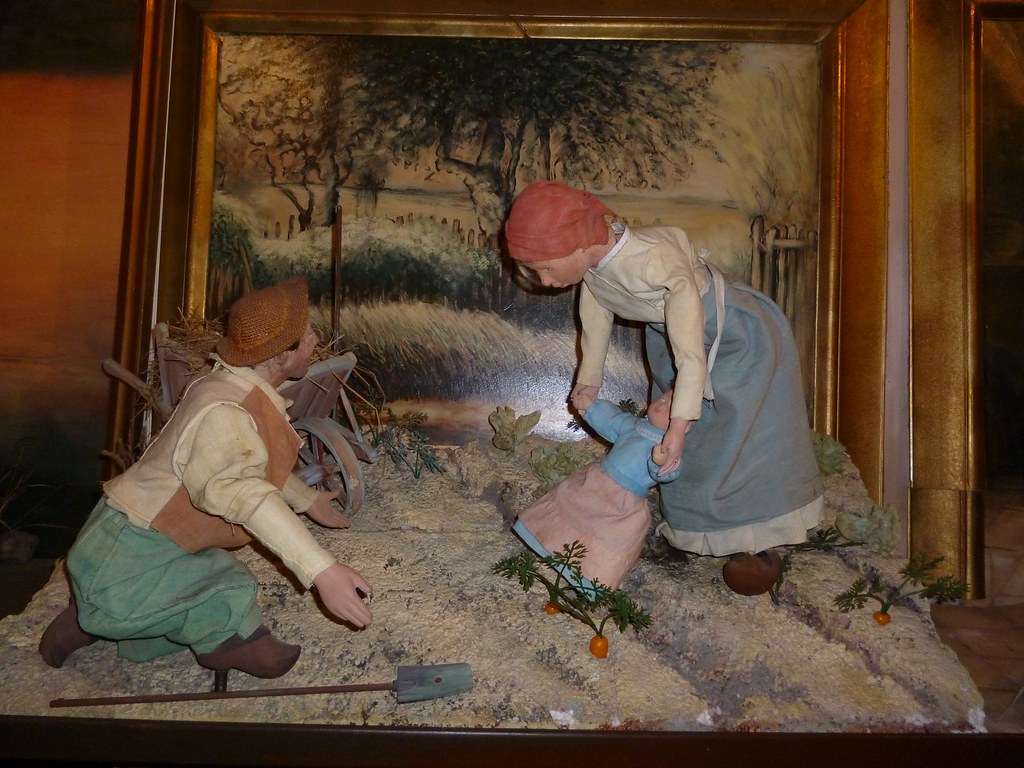
 The next room has several scenes that pay tribute to the painter Jean-Francois Millet who knew so perfectly how to express the hard work of French farmers. The background paintings are copies of Millet masterpieces with working automatons placed in front.
 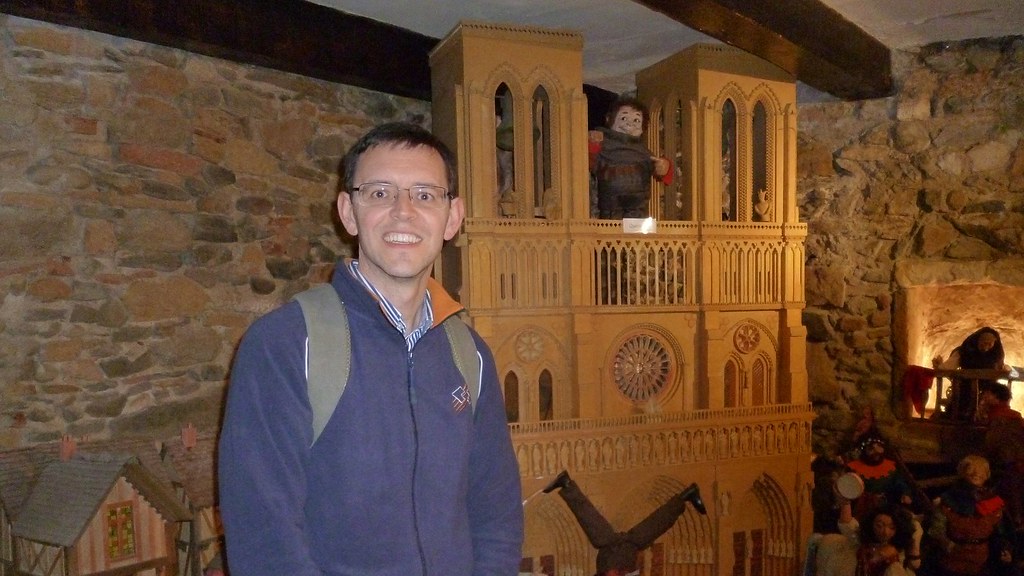 The next room is dedicated entirely to Victor Hugo’s famous novel The Hunchback of Notre-Dame. Quasimodo is the only automaton in the whole museum with moving eyes.
 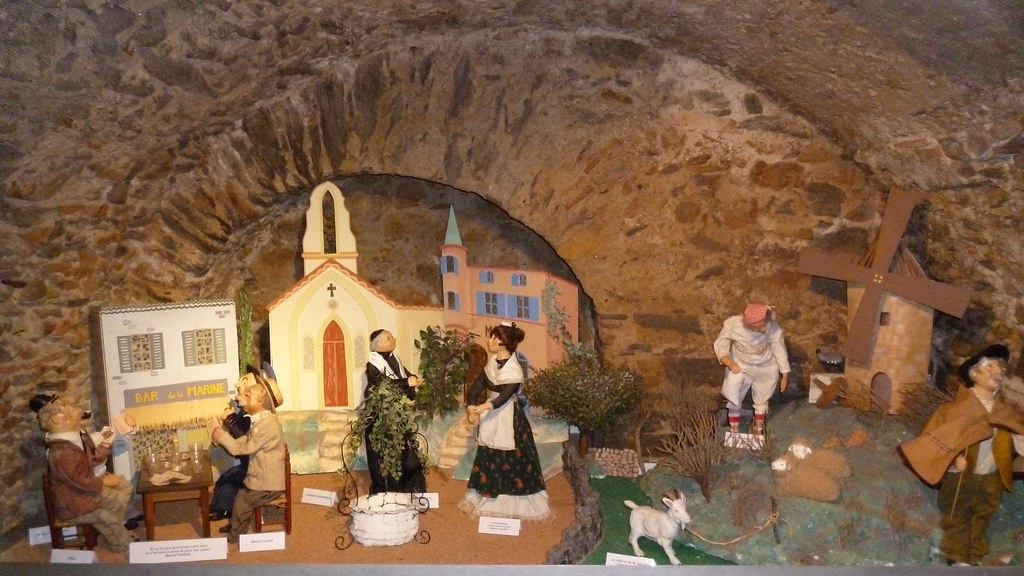 After that comes the depiction of a small village in Provence described so well by Alphonse Daudet in his writing Lettres de mon Moulin.
 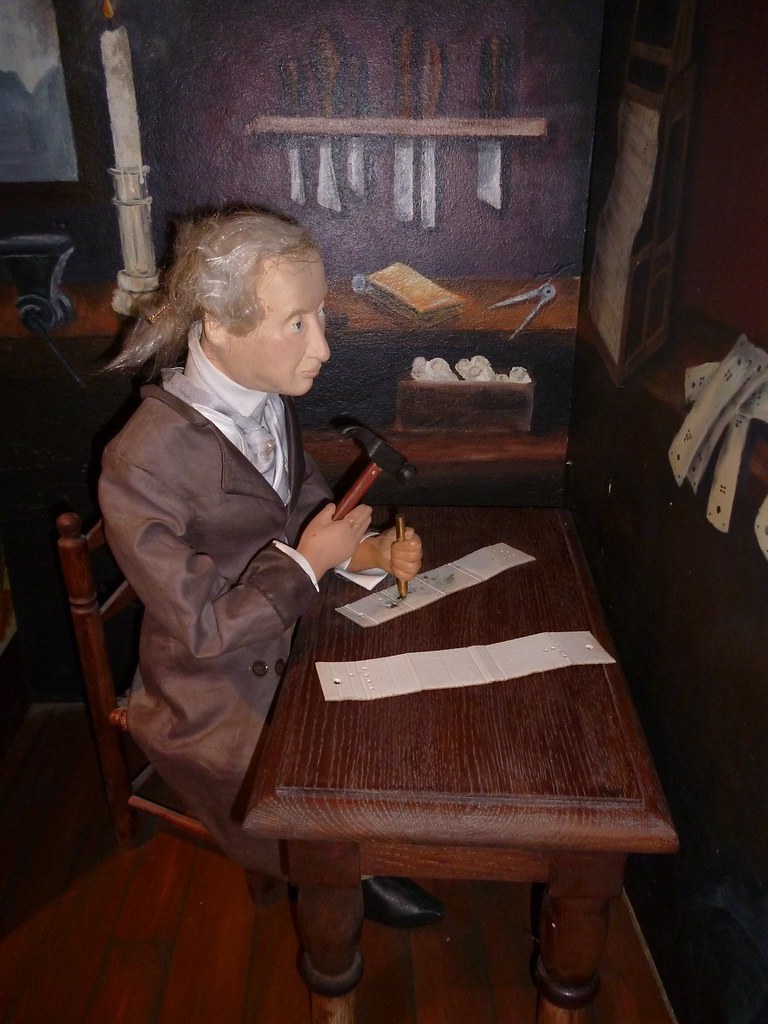 Room number five is a tribute to Joseph-Marie Jacquard, mechanic and inventor in 1800 of the first automated device for the silk weaving loom.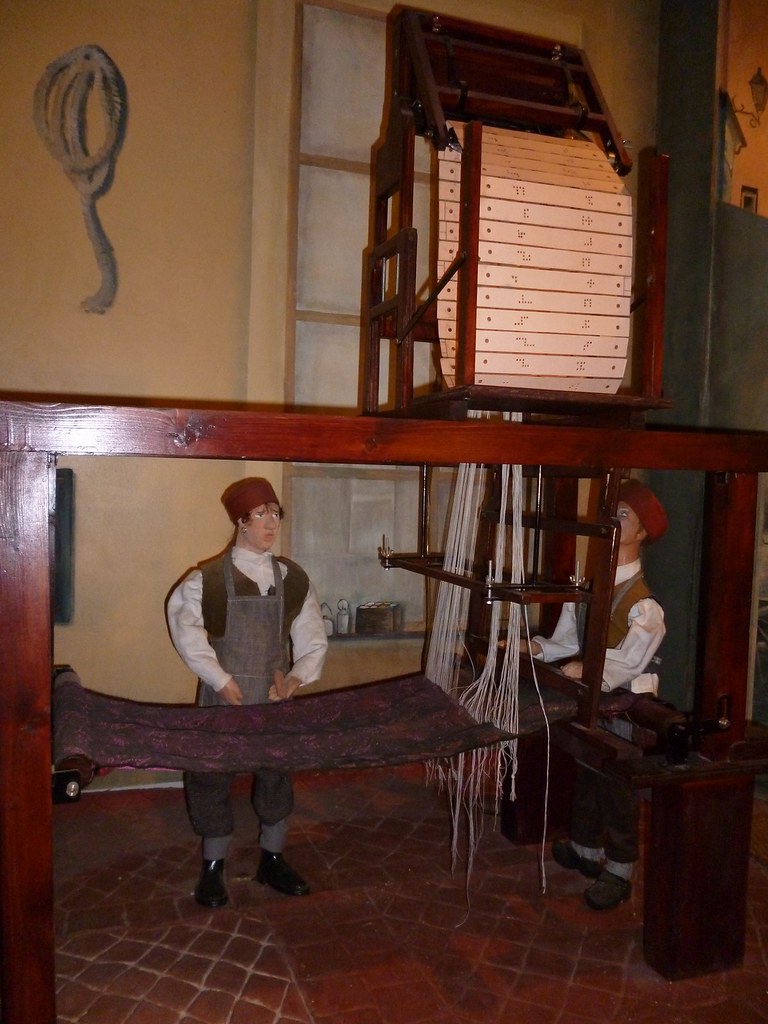
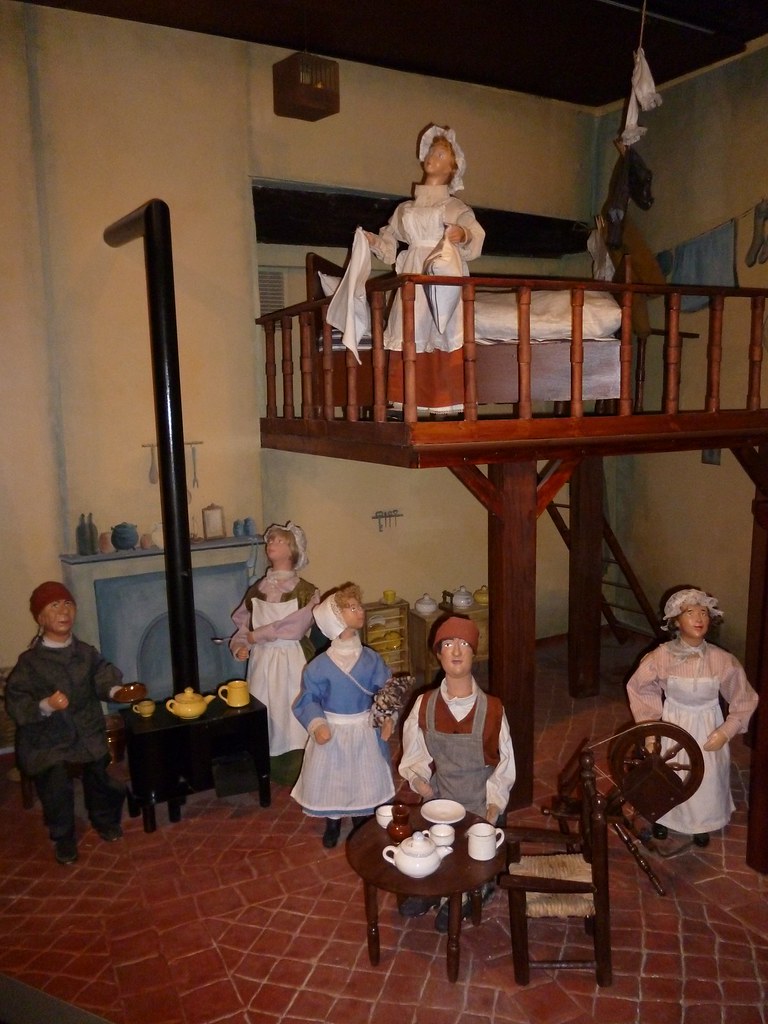 The scenes depict life in the Croix-Rousse district with its silk workers busy at their trade. Other rooms depict scenes from Peter Pan, Pinocchio, Zorro, 20,000 Leagues Under the Sea, The Magic Flute and finally a scene paying homage to Renaissance writer François Rabelais
 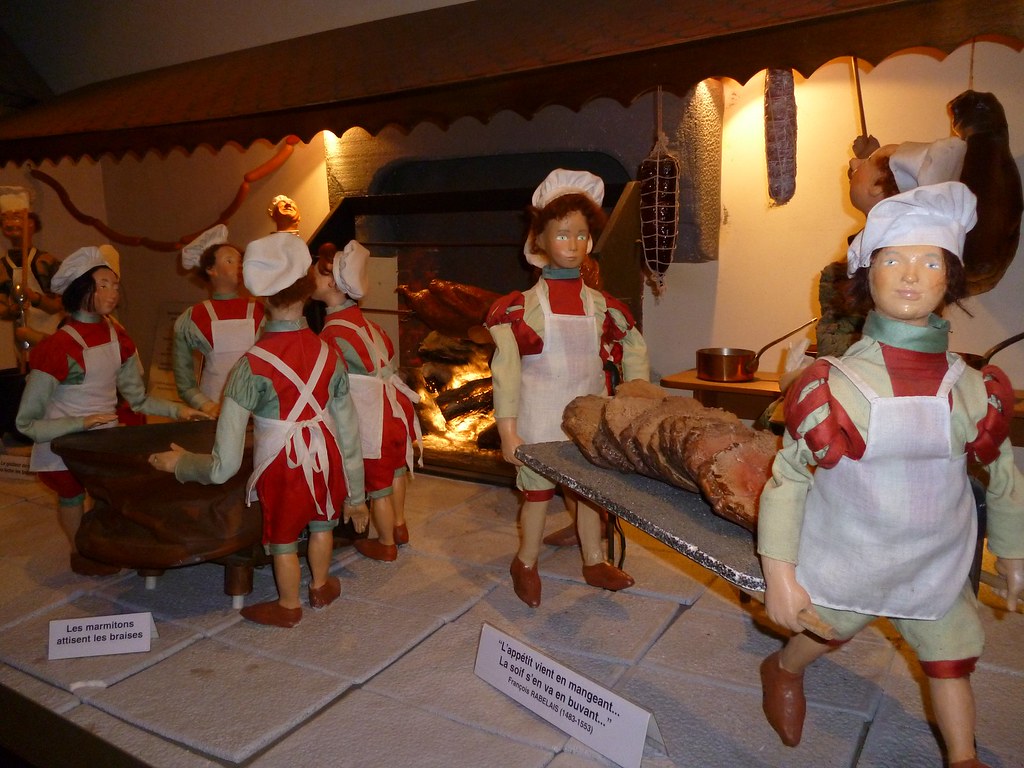 with a scene from his most famous work, Gargantua and Pantagruel, about a giant who must be fed by a huge staff of kitchen workers who hustle and bustle about making all sorts of dishes.


/http%3A%2F%2Ffarm3.staticflickr.com%2F2922%2F14679955883_19ebe03a53_z.jpg)
/http%3A%2F%2Ffarm6.staticflickr.com%2F5518%2F14455224977_5981185dd7_z.jpg)
/http%3A%2F%2Ffarm8.staticflickr.com%2F7208%2F14035504773_1ed4430ed9_z.jpg)
/http%3A%2F%2Ffarm8.staticflickr.com%2F7300%2F14012320672_1dabb28ee7_z.jpg)