
De captivants à banals, les articles et photographies de “The Baguette” sont une tentative de publier un journal de ma vie dans la Manche et de proposer un forum de discussion pour tout ce qui touche à la Normandie.
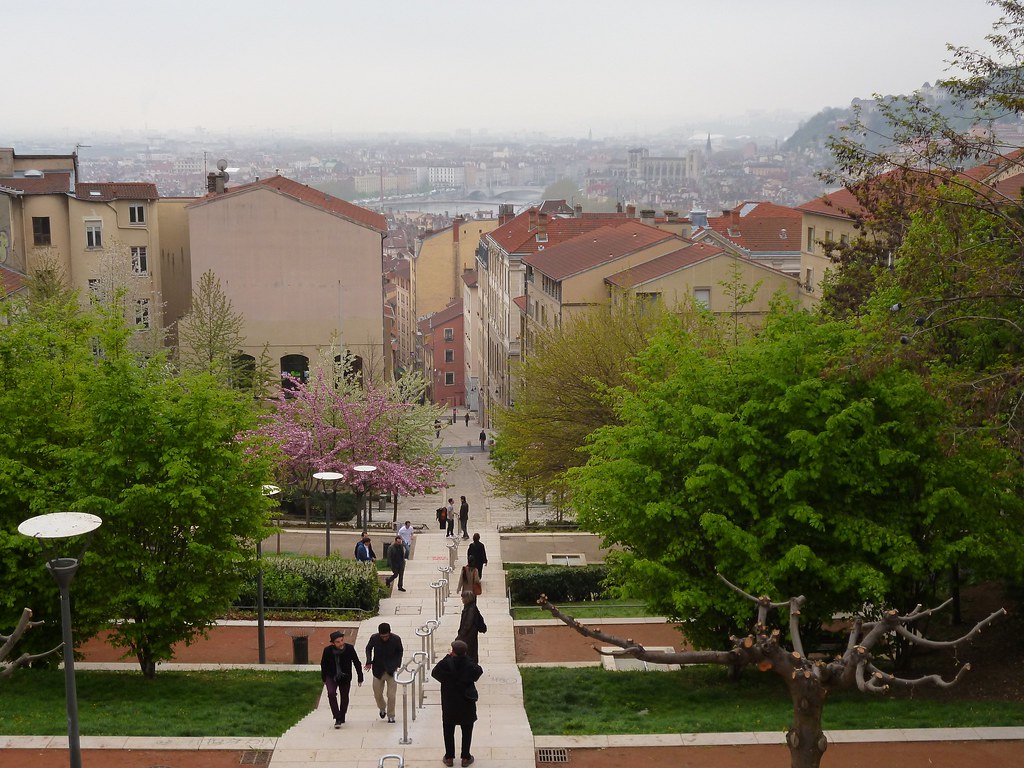 The second English-speaking tour of Lyon that I took was of the Croix-Rousse district. It was here that the silk industry in France really took off. It was silk which, in the 16th century, made Lyon a major industrial city; until then most of the silk fabrics in France had been imported from Italy.
  Two main figures dominate the history of this new industry. In 1536 Étienne Turquet, a man from Piedmont in Italy, offered to bring to Lyon silk and velvet weavers from Genoa and set up a factory. François I, who was anxious to stem the flow of money out of the country as a result of purchases of foreign silks, accepted his offer.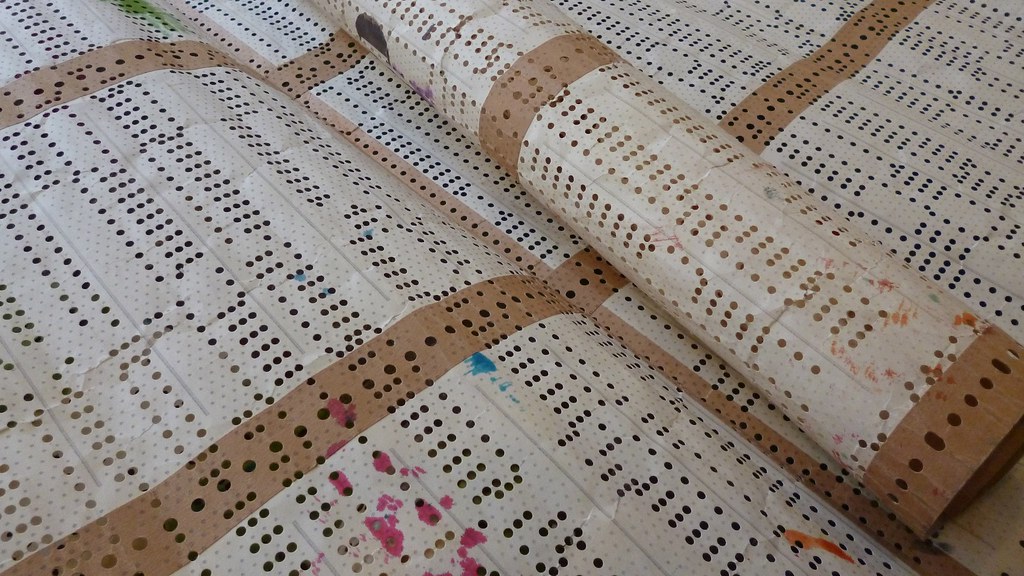
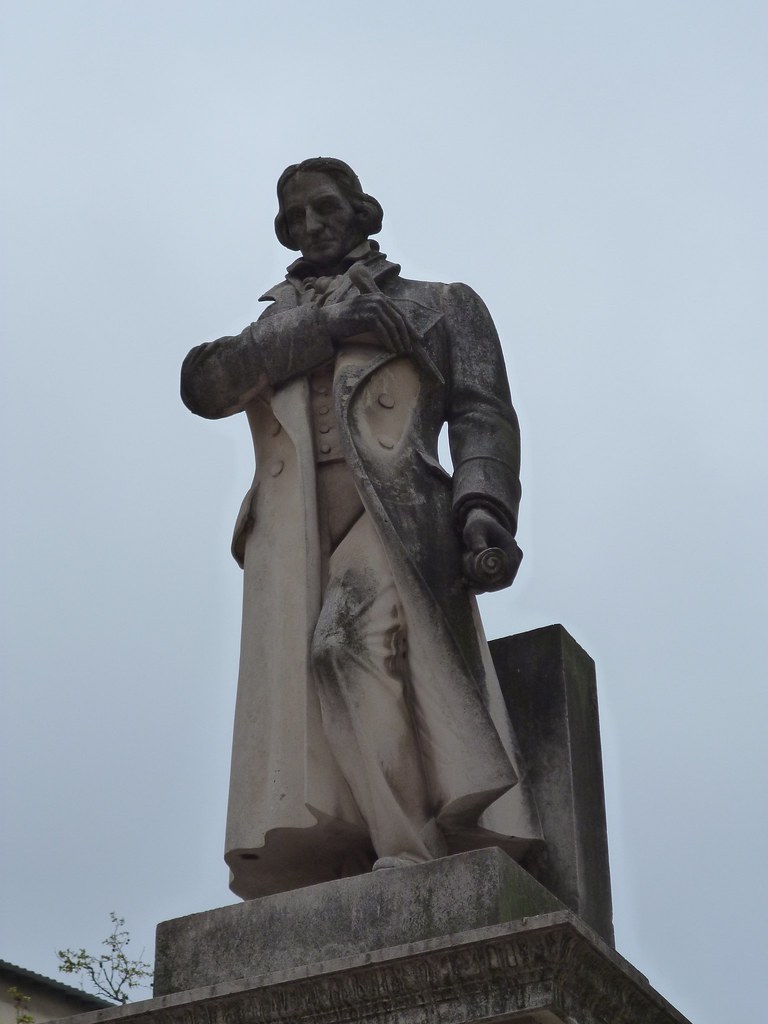 In 1804 Joseph-Marie Jacquard invented a loom which, by using a system of punched cards, enabled a single worker to do the work of six. A statue of the man can be seen at Place de la Croix-Rousse where we began our tour.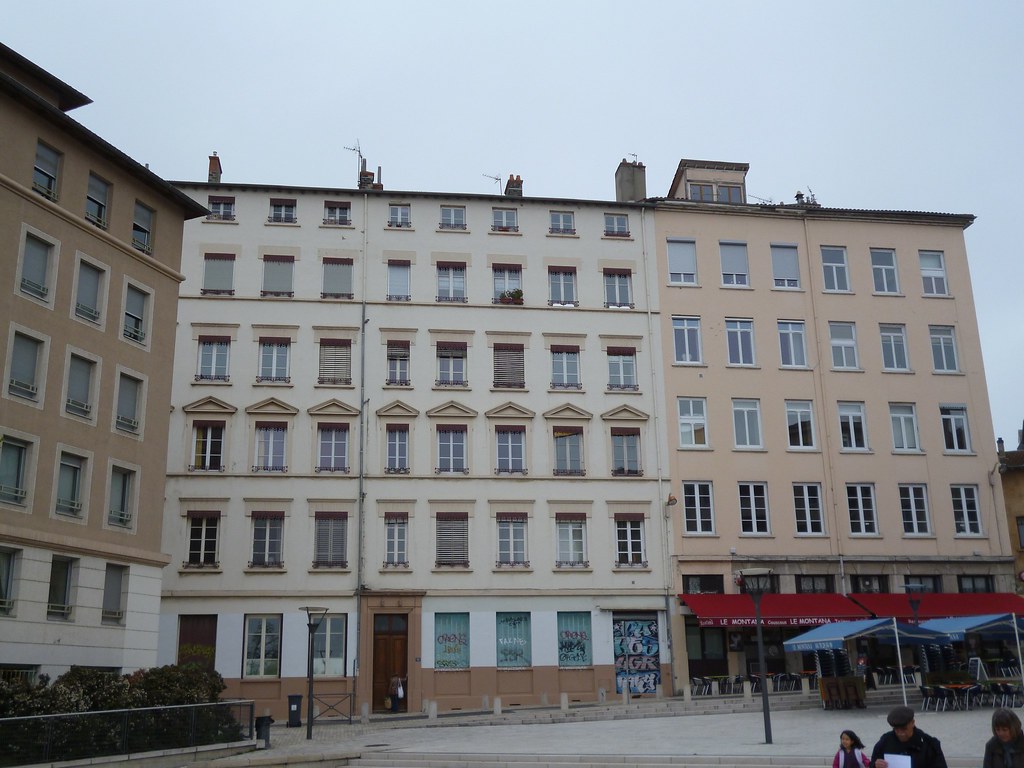
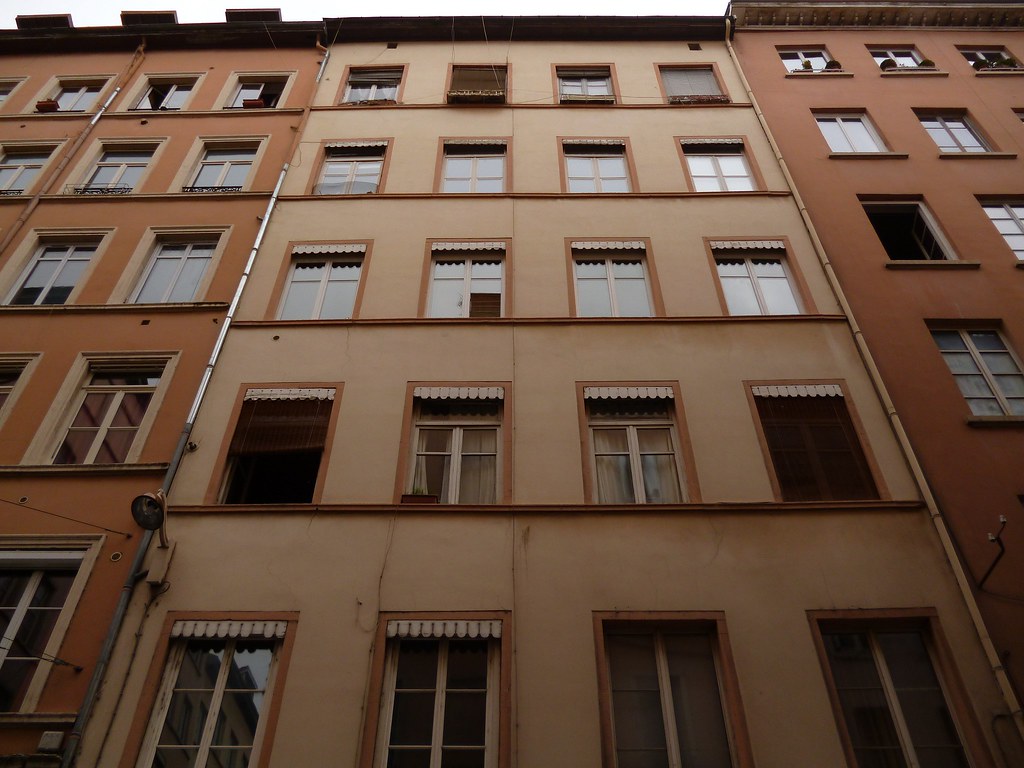
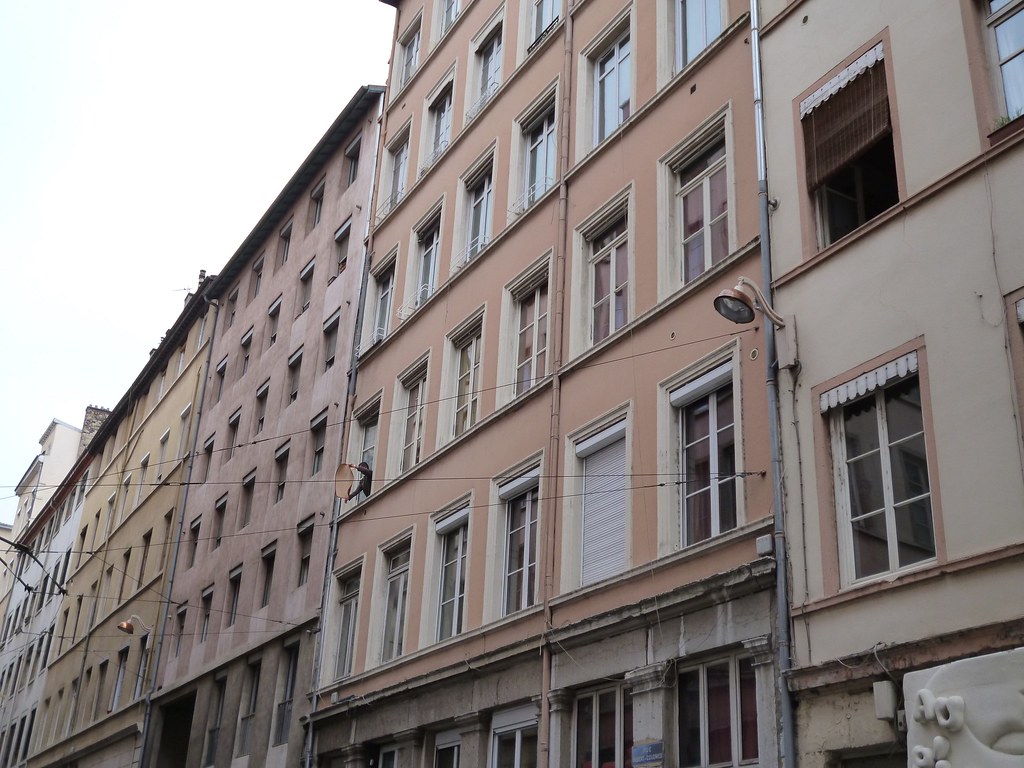 The Croix-Rousse district is filled with characteristic house-workshops—the upper floors contained the looms on which the workers wove the silk provided by the manufacturer. In 1875 a revolution occurred in the silk industry; the introduction of mechanical looms and the change of fashion away from figured fabrics and brocades quickly reduced the silk-workers to abject poverty. Only a few looms continued to exist in Lyon, capable of producing special fabrics at exorbitant prices. Ordinary silks were made by workers in rural areas where labor was less expensive. Today natural silk imported from Italy or Japan now represents only a minute proportion of the quantities of fabric processed here.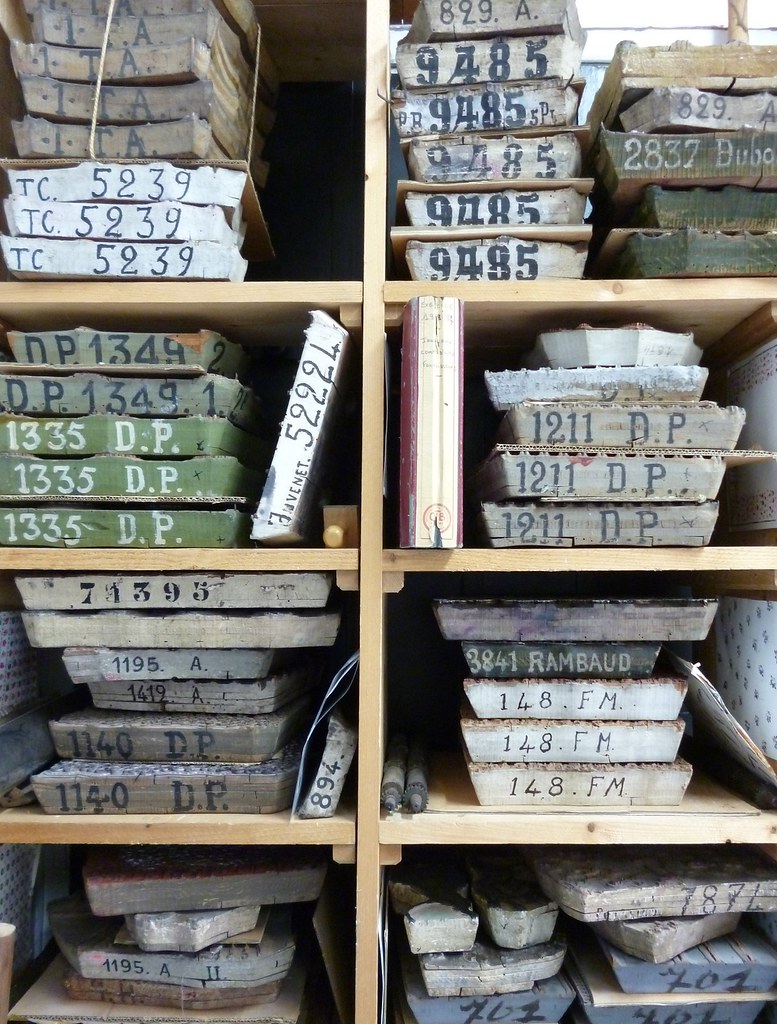
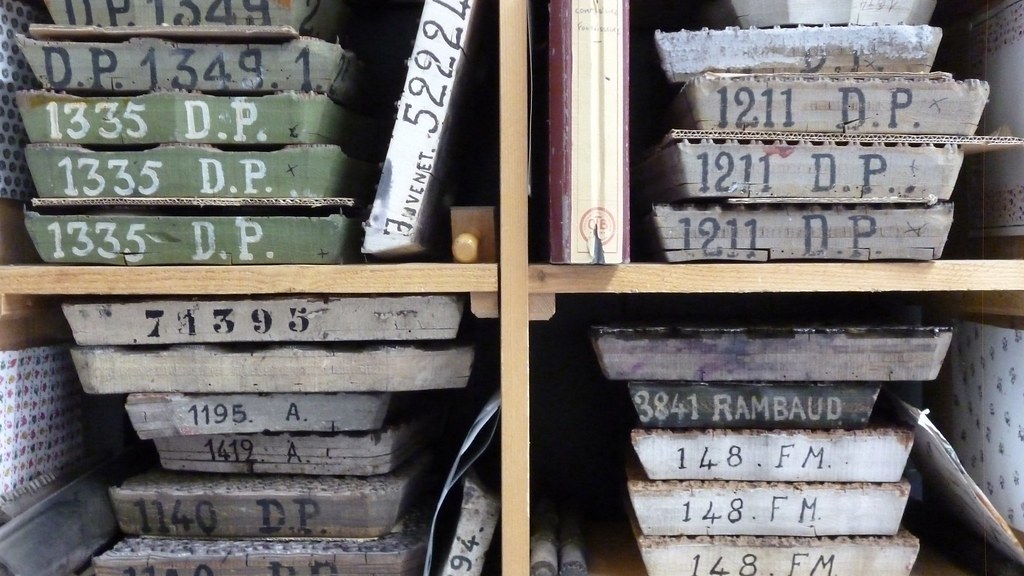
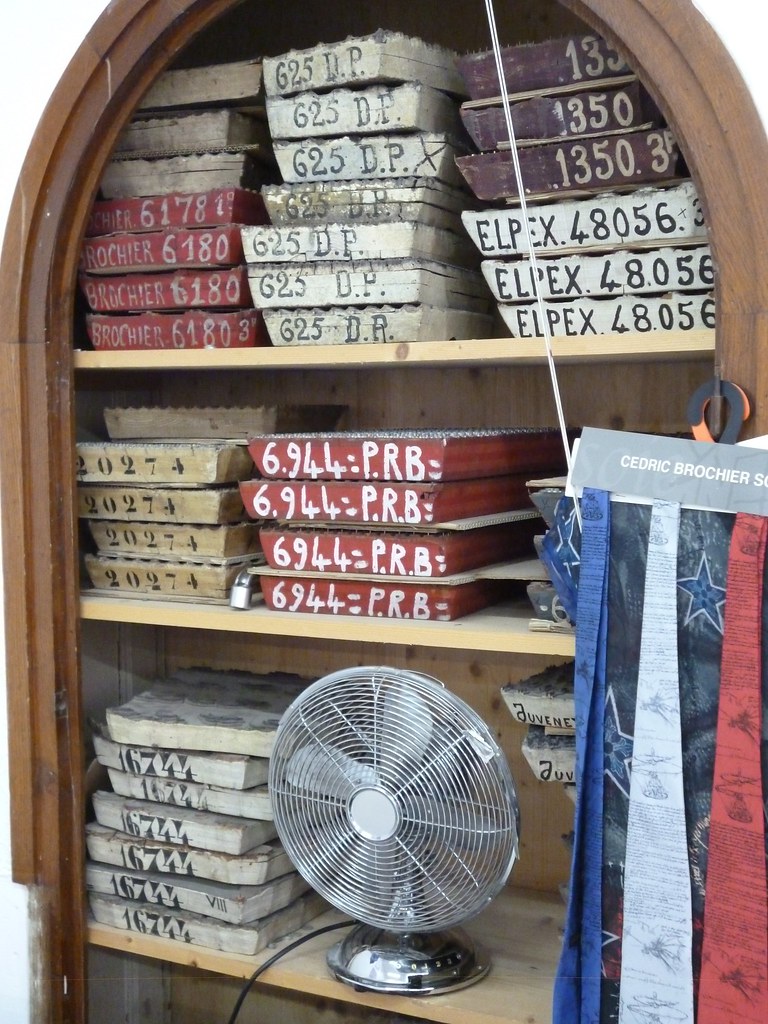 It is subject to extremely meticulous care and attention in the silk workers center, Maison des Canuts as well as L'Atelier de Soierie. It was at L’Atelier de Soierie Vivante that we got a first hand account of the silk screening process as well as the manufacture of figured or watered silks.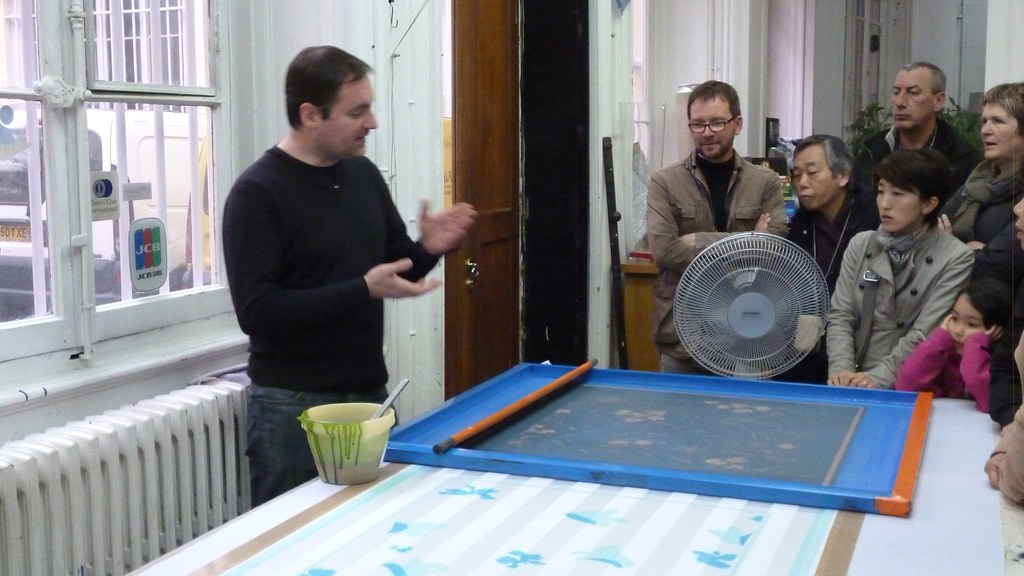
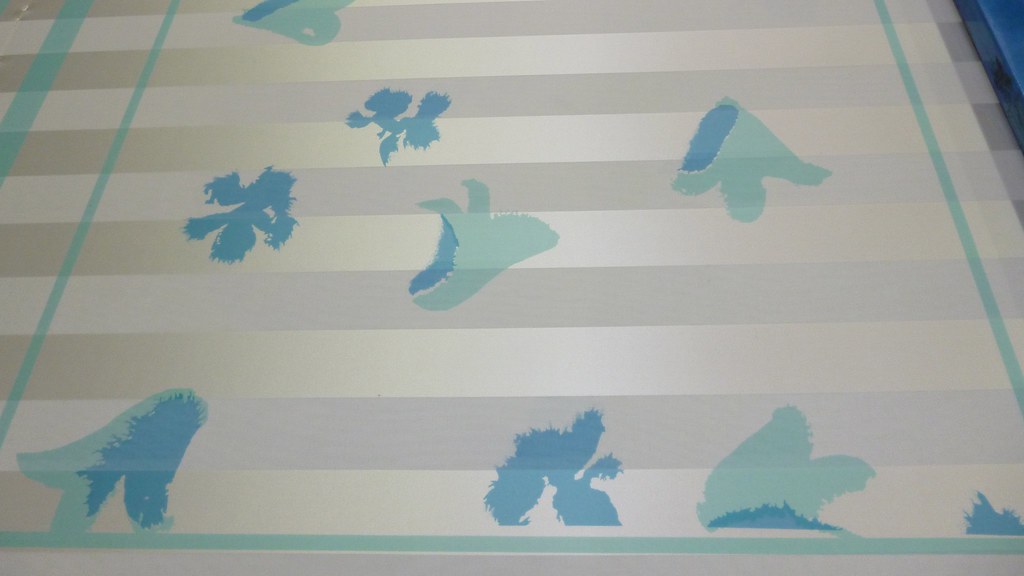
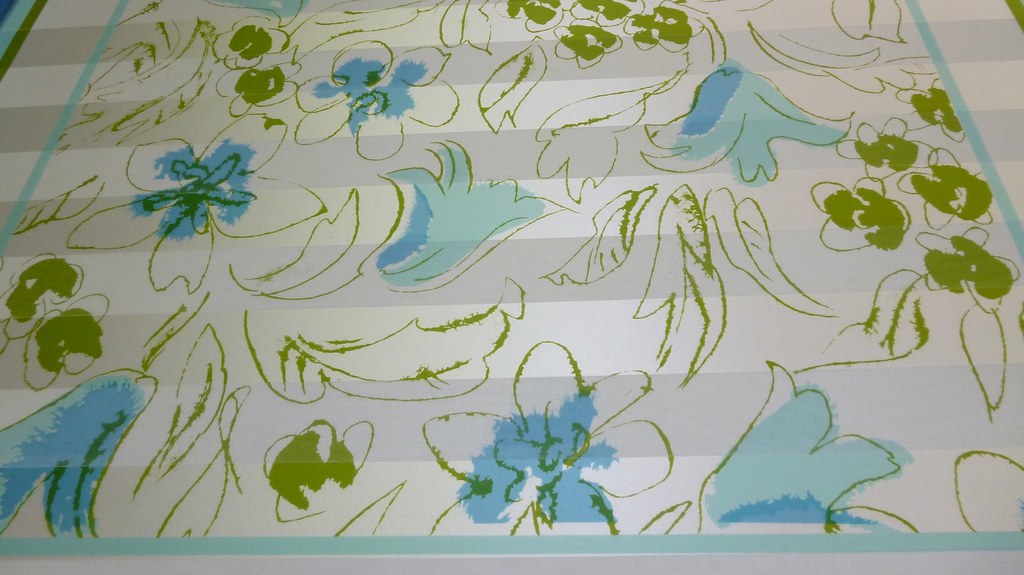
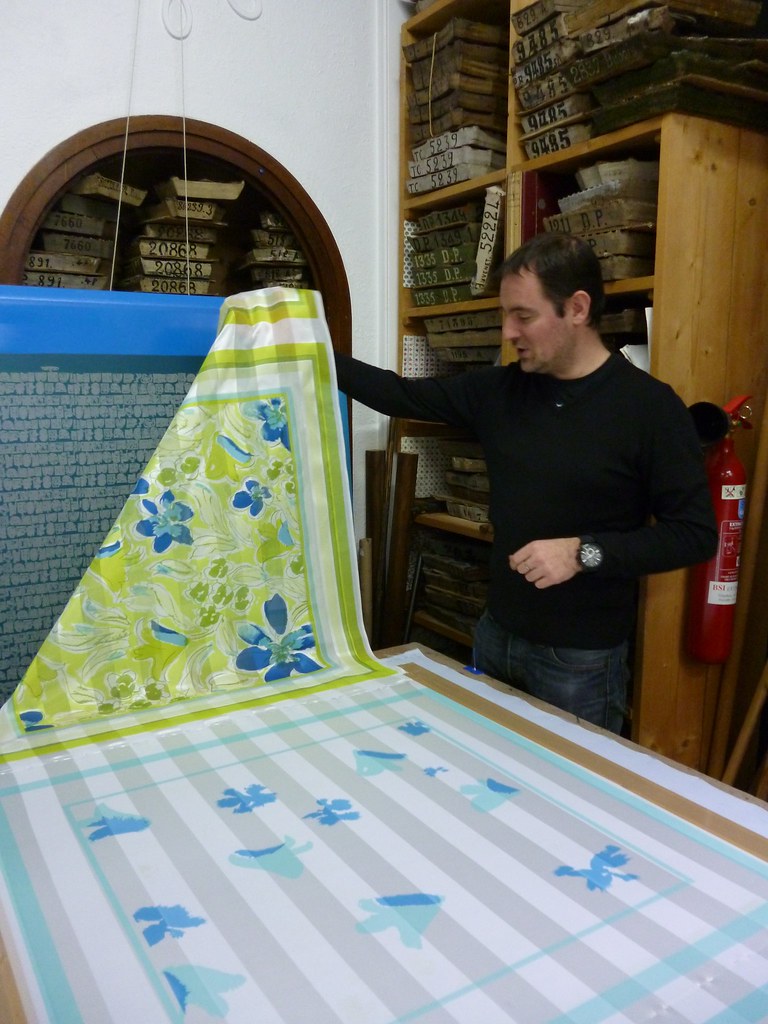

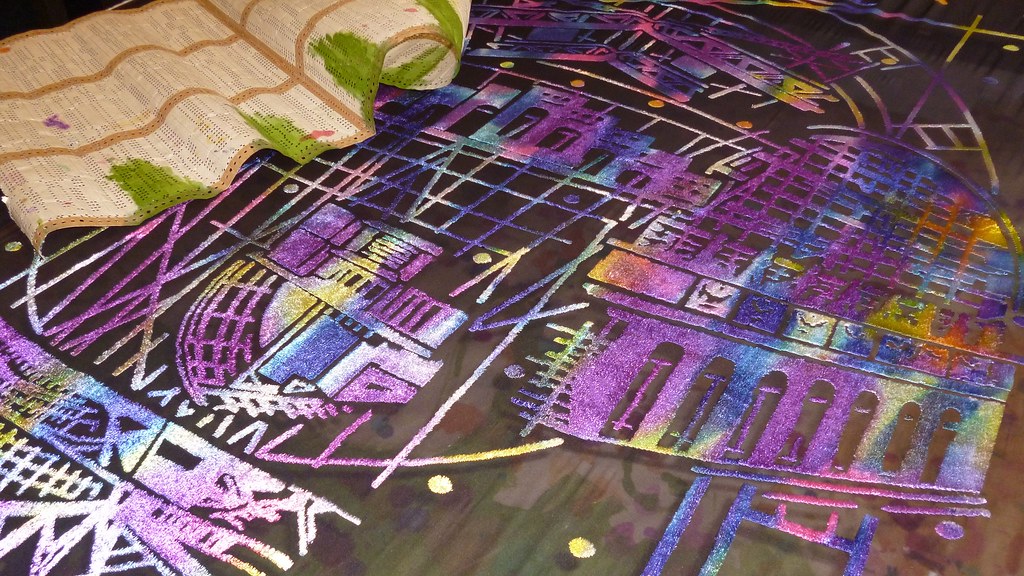 This association was founded in 1993 to protect and promote the heritage of the Croix-Rousse silk working industry. The district still has all the character and flavor of a small village community. The invention of new looms by Jacquard, led the “canuts” or silk workers to abandon the low cottages in the St-Jean district and move to larger ausere buildings with wide windows that let in the light. In the 19th century the streets echoed with the rattle of the hand looms operated by some 30,000 silk workers.
 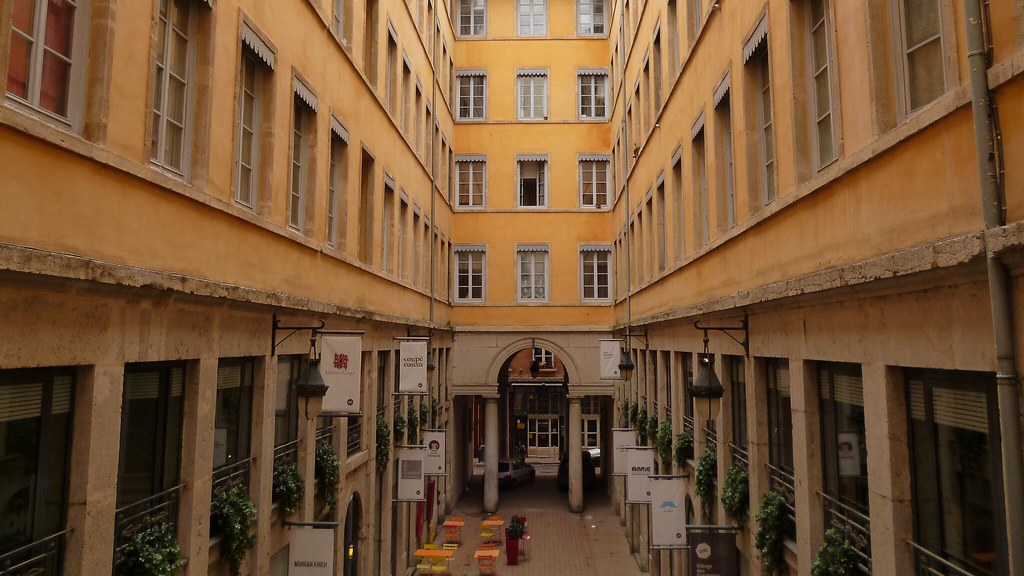 The traboules in La Croix-Rousse follow the lie of the land and include a large number of steps. They were used to move bolts of silk about the district without any risk of damage from inclement weather. In 1831 and again in 1834, they were the scene of bloody uprisings when the silk workers waved black flags symbolising poverty and bearing the famous motto: “Life through work or death through conflict.”
 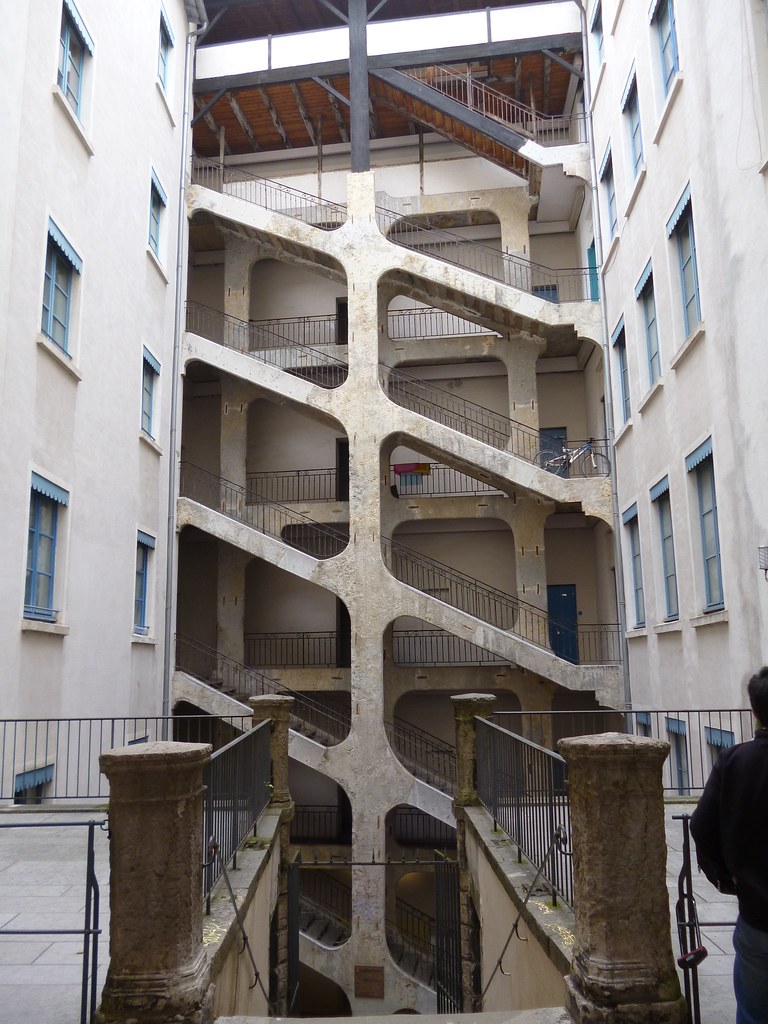 One famous traboule is the found at the Cour des Voraces with its imposing flight of steps. In the 19th century it was the meeting place of a silk workers’ guild known as the Les Voraces (“The Ravenous”). Another very important building in Lyon is the Condition Publique des Soies (Public Silk Packing Works).
 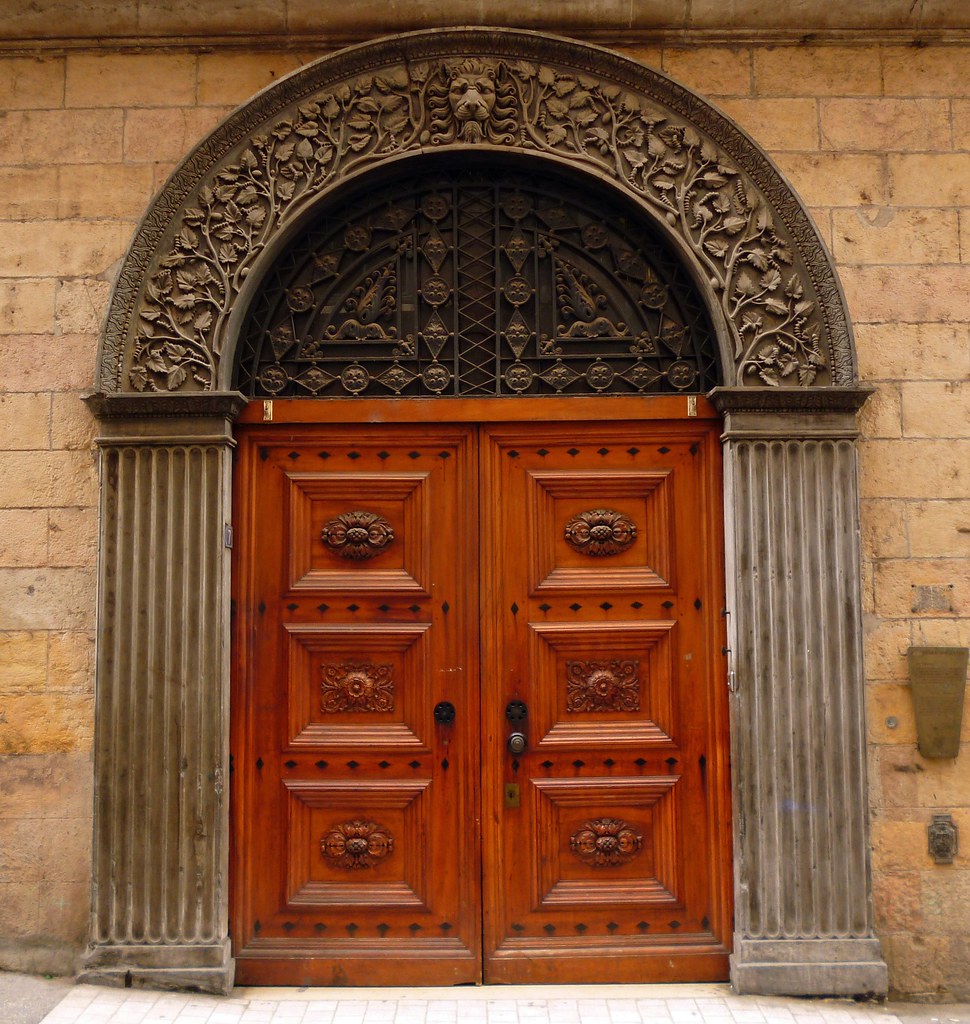 It has a porch in which the upper arch is decorated with a majestic lion’s head and mulberry leaves (the food of the silkworm). The building now houses a cultural and social center but it was on these premises during the 19th century that the hygrometric packing of silk cloth was monitored since, due to the fact that silk can absorb up to 15% of its weight in water, checks had to be made to ensure that the weight of the fabric actually complied with official norms.
 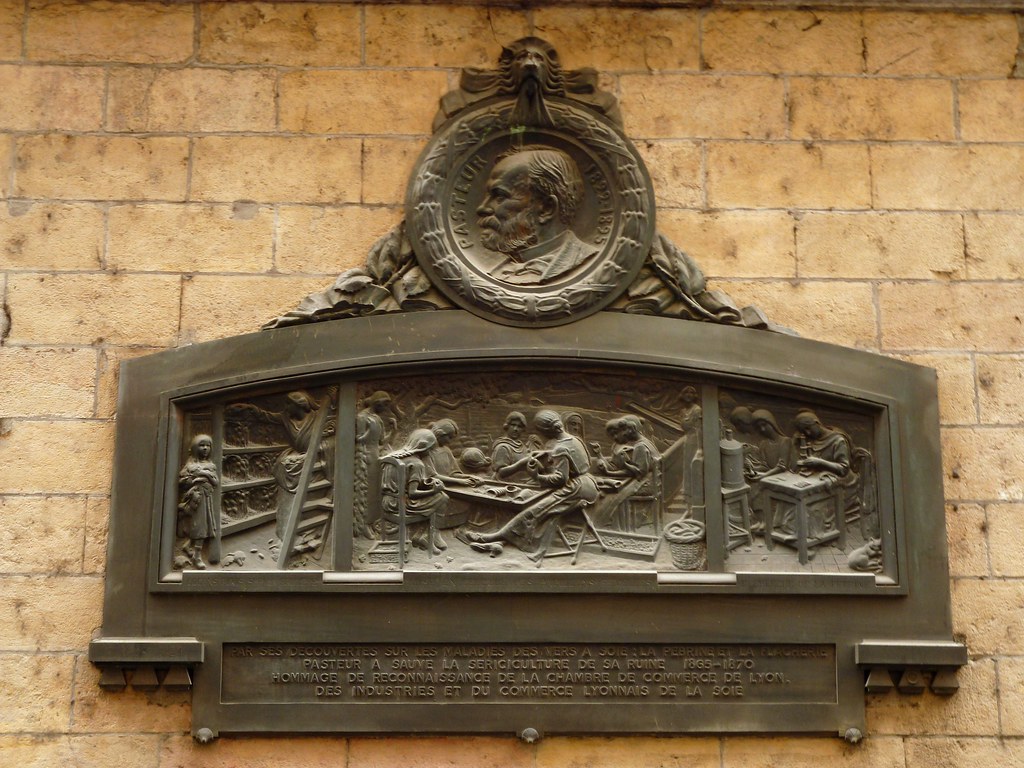 Along the wall of its façade is a memorial to Louis Pasteur who in the 1860s was asked to help to investigate a serious disease that was ruining the silk industry in southern France. He isolated the bacteria causing the sickness and then taught the silk farmers how to cultivate their silk worms under healthy conditions and keep them disease free. Sadly by this time, the silk industry in France was in tatters and never fully recovered.
 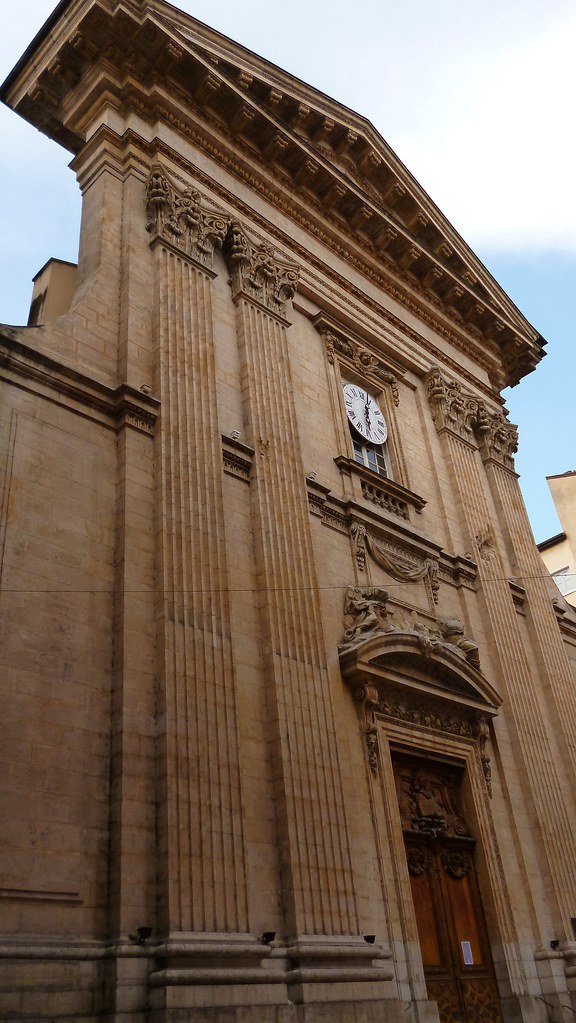 Nearby the Silk Packing Works is the 17th and 18th century church of St-Polycarpe. From here there is a passage that leads up a flight of steps to Place Chardonnet, on which stands a monument erected in memory of Count Hilaire de Chardonnet (1843 – 1924), the inventor of artificial silk.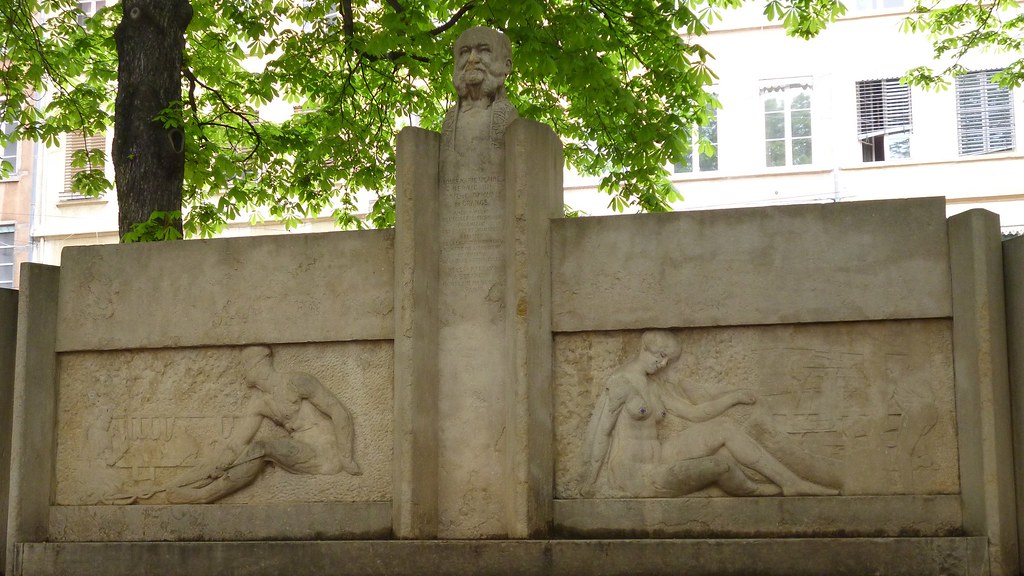


/http%3A%2F%2Ffarm3.staticflickr.com%2F2922%2F14679955883_19ebe03a53_z.jpg)
/http%3A%2F%2Ffarm6.staticflickr.com%2F5518%2F14455224977_5981185dd7_z.jpg)
/http%3A%2F%2Ffarm8.staticflickr.com%2F7208%2F14035504773_1ed4430ed9_z.jpg)
/http%3A%2F%2Ffarm8.staticflickr.com%2F7300%2F14012320672_1dabb28ee7_z.jpg)